Thoughts about reading for teenagers

To teenagers identity is important. Moreso, that of choice. Limited representation will turn pupils away from reading. As adults and teachers, we must ensure varied cultures, diverse backgrounds, and a range of identities are shown. Only through positive representation can we capture interest.

What most school libraries have and showcase, usually involves adult-centred narratives, traditional story arcs, and popular canonical texts (the ones adults were brought up on). Enid Blyton, Charles Dickens, and Roald Dahl are there, but do they truly represent the here and now? Young adult fiction needs to mirror lived experiences and feel contemporary. Not everyone can relate to miserly Ebeneezer Scrooge and his transformation from skinflint to benefactor. Likewise, stereotypes have long filled bookshelves and the shackles of copy and paste heroes of old seldom reflect the drive of a reader. Move over James Bond, hello complex characters.

Graphic novels cost money and can often be deep and encourage inference building. As can verse novels, fantasy. and a range of LGBTQ+ fiction aimed at young adults. Through expanded genre variety, readers can grow their reading repertoire.

The cold hand of teachers opting to select reading lists keeps the shop well and truly closed. Allowing agency for pupils to move away from assessment-driven choices to give their input is key to true reading for pleasure. take away those restrictive barriers. Finding pathways within units to allow choice and book circle groups could unlock more doors.

When is reading available? Timetables limit independent reading time. Everything else is a priority and rarely does a ring-fenced opportunity to read present itself. Something else pops up. So how can a pupil make choice? A lack of library space does not help. One condition that currently enables reading for pleasure is our centralised library location. Within this space there is a suite of computers for usage on homework, research, and revision. The space has been streamlined to focus on fiction, with a limited space for non-fiction. However, the library size and space is highly limited.to an area a 1/4 of its original size. Two classrooms and a maths intervention space have swallowed 3/4 of the original library building space. This creates a hustle and bustle ill-fitting for such an area. The space is now limited to breaktime (25 minutes) and lunchtime (just 10 minutes) due to a timetable restructure whereby classes are present in the adjoining rooms. Where’s the opportunity to integrate a library offer?

Could online reading, fandom fiction, Manga etc offer more opportunity? How can it be framed as an academic task that feels good? Or, turn it on its head, frame it as an opportunity to express personal identity in practice?

Valuable reading could be literary, slightly challenging, and transferable to curriculum-aligned text. It does not always have to involve and award-winning text or use a classic novella. A piece of well-written journalism could add academic capital through its complexity and worthiness. Or even a transcript from narration (see also: Sir David Attenborough).

With respect to the broader view of literacy, all forms of reading, whether digital or visual need to be considered and included. Choice motivates. Options encourage access. If a teenager or pupil can see themselves in the story, then those genres could reflect who they are. Surely that will motivate and capture their focus. Relating to something encourages active reading skills such as empathy and connecting outside of the text.

It is important to not only stretch a pupil’s mind but to take them beyond the clinical academic realm. Fan fiction, blogs (well-vetted), audiobooks, podcasts, and graphic novels are valid pathways to expanding comprehension skills through real gritty routes. Foster lifelong love of reading over compliance.


Think further about:

Identity: representation gaps · canonical bias · limited YA · narrow genres

Agency: teacher-led · assessment-driven · little student input · restricted pathways

Choice: limited independent reading · underused library · undervalued informal reading

Assumption: valuable = literary/challenging/canonical

Re‑frame: multiple literacies · choice increases motivation · relevance matters · broaden definitions of “real reading”
See also: Go All In, National Year of Reading 2026

The Finale (Act I)

Parent page: IB Learner Profile

English A: Language and literature (Cat.1): Module Four – Individual Oral Assessment

IB Course Creator Tim Pruzinsky started his introduction video by saying this final module would be unique and no easy task. Armed with a floppy left arm (following my second installment of the COVID-19 jab yesterday) and a nausea (last weekend’s sickness has caused my appetite since to be largely under the requirements of a half-giant), I set on my studies. To baldly go… (shiny-headed pun intended)

Utterly the Higher Level!

Parent page: IB Learner Profile

Bill Watterson’s Calvin and Hobbes

English A: Language and literature (Cat.1): Module Three – Assessing the Higher Level Essay

What is a 4? What is a 5? The line between the two is foggy and at times completely a blur. So, here, I use the benefit of the doubt. My reasoning is simple. The overall piece was well written, clearly thought of in detail and delivered in an informative way. I still had some question. So, I went looking. I found that Calvin and Hobbes ran from 18/11/1985 to 31/12/1995 as a daily comic strip in the U.S.A. and across the world. I’ve certainly never stumbled on this strip, despite it landing in over 2400 newspapers! Humour, satire, politics, and family life mix well with philosophy and judging by the Wikipedia write-up, a dozen of so academics have touched on it too.

CriterionExaminer marksExaminer reasoning
AUnderstanding & Interpretation5/5Broad understanding of Calvin & Hobbes.
Strong appearance and understanding.
Clear persuasive interpretation.
Some focus on satire shows deeper interpretation.
Implications of text explained well bit could have had more detail.
Demonstrates a passion for the text.
Reference use is strong.
Portrays the comic’s intent and purpose well.
Line of inquiry allows for development &/or relevant/focus.
Some openness of interpretation may be conveyed from the chosen language features of the student’s works.
Who, when, what and how answered. The why is a little under-supported.
BAnalysis & Evaluation4/5Graphic aspects needed a little further contextual depth.
Would have benefitted from more language analysis.
Consistent flow with convincing analysis.
Insightful analysis of the text.
Is the reader intended to be active or an observer?
Clear that: Language + style + technique = meaning.
Evaluation of author’s choice clear & concise.
Further development of points possible.
Accurate use of technical terminology.
CFocus & Organization4/5Organised/cohesive, but a little complex.
Integrated example usage.
Adequate development of a line of inquiry.
Paragraphs clear and linear, however some back and forth to the appendix is needed.
DLanguage5/5Clear and well-chosen.
Appropriate register (effective/concise).
Vocabulary strong and supportive. Literary terms deployed.
Grammar usage largely accurate. Some sentence structure errors.
Total18/20

English A: Language and literature (Cat.1): Module Three – Added Extras (Extended Essay)

Firstly, the score weighting is different to previously marked papers, so it allows for flexibility in awarding a final mark. Deciding between a score from four or five is tougher than that of one from six or twelve. An in depth extended essay offers more chance to digest and deconstruct before reviewing and offering feedback. Overall, it is much more demanding. However, for candidate and examiner the process is more exacting and testing. It isn’t a short time task! A cup of steaming cappuccino was required!

CriterionExaminer marksExaminer reasoning
AFocus & Method (a reader should see the beginning to the end)5/6Effective speech chosen.
Culture/context/target language show connection.
In depth analysis versus that of a broader range of speeches.
Good usage of secondary sources as way of support.
Displays good intelligence.
BKnowledge & Understanding (a reader should be informed)5/6Social/political understanding of the speech fully demonstrated.
Subject-specific terminology deployed.
Primary and secondary sources support context.
No digression.
Public opinions over-generalised?
CCritical Thinking (a reader should see thoughts)9/12Research, analysis and evaluation evident and of a high value.
Exploration of the speech could have been furthered more accordingly (to gain full marks).
Concentrating their interpretation would be of more benefit to the writer.
DPresentation (a reader needs it to be clear)3/4Clear.
Some over-general citation use.
EEngagement (a reader should be engaged)5/6Initial topic starts and is abandoned.
Further two topics engage deeply.
Candidate’s voice lacks full bite.
Total27/34

English A: Language and literature (Cat.1): Module Three – Reflection

How can you use the assessment components, the learner portfolio, and more, to help achieve the IB mission?

Papers one and two offer opportunities for student encouragement and development. Each offers skillsets for life. The IB learner profiles can be explored and reinforced. The issues of identity, culture, class, environment and representation, amongst other matters can be explored through non-literary and literary study. Literature is a rich vein for exploration. It offers voices and opportunity to use effectively the approaches to learning skills. Drawing a connection beyond the non-literary and literary gives rise to language exposure and expansion.

Through paper one students can explore global issues across a broad range and bring them to the classroom for debate. Global thinking inquiring minds can be founded within the realm of paper one.

Paper two has a traditional feel to deliver in a form of written communication. That. construct must include balanced analysis, evaluation and be organised in a way that shows complete organisation through good time management and and thorough language use.

Talk Proper English.

Useful things/tips to learn:

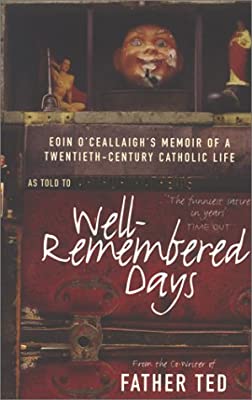
#1 Audio books. See below. Books read by people, for people. Surprisingly good ways to read on the go. Well Remembered Days, written by Arthur Matthews, but read by Frank Kelly (Father Jack from Father Ted) is a great exposure to Irish (Ireland, where they often speak English) culture and accents.

well

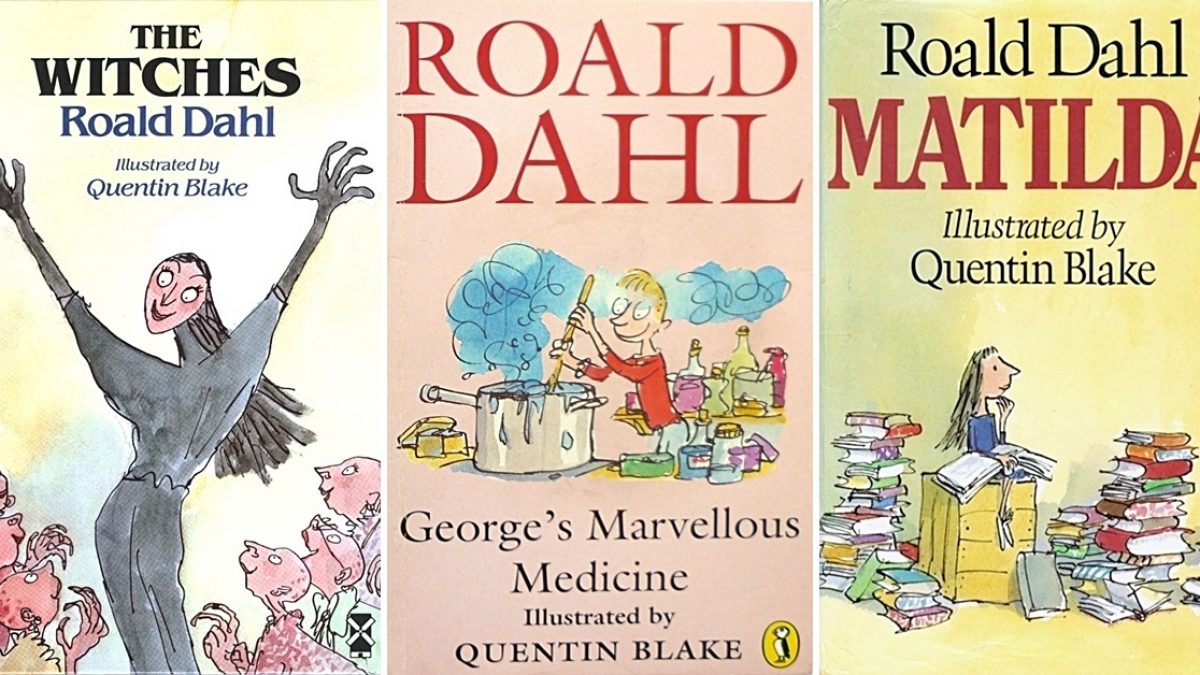
#2 Books. These are the best things ever. They’re diverse and they’re almost everywhere. Read one, pass it on. Read another, share it. Read a great one, keep it on your shelf to read again. Recommended authors include Michael Crichton (Jurassic Park/Timeline), Roald Dahl (The BFG/Matilda), JK Rowling (Harry Potter series), Janet and Allan Ahlberg (Funnybones), Eric Carle (The Very Hungry Caterpillar). Comic books, graphic novels, audiobooks, and even short stories in newspaper serials can all add up to the book experience. What are you reading next? Feel free to ask me for suggestions.

CoverRoaldDahlTop10-1200x675

“I have a passion for teaching kids to become readers, to become comfortable with a book, not daunted. Books shouldn’t be daunting, they should be funny, exciting and wonderful; and learning to be a reader gives a terrific advantage.” – Roald Dahl, writer, former pilot of a Hurricane fighter, and conjuror of dreams.

#3 Music. See Blog post about music, mostly.  Or BBC 6 Music.

(#1 added 29/8/2020; #2 added 29/8/2020; #3 kind of added 1/10/2020)