The slow ride on the altitude-gaining train involved various stops. Passing loops. Halts. Two stations. Sales pitches along the railway carriage. Glorious views sandwiched by lengthy tunnels. More tunnels. A relaxed pace ride through even more tunnels. The usual high speed of China’s modern rail network suddenly felt more sedate. The 304km (189 miles) Dali to Shangri-la train ride didn’t whiz by, but the views between the tunnels were nonetheless fascinating. 4 hours and 19 minutes later, we arrived. My third time to purposefully visit Shangrila.
Departing straight into a local taxi (Didi滴滴) the flats of Xiānggélǐlā 香格里拉 spread out. A wide valley of farmland amongst mountains and foothills. Picturesque didn’t fit the description well enough. Cattle crossed the narrow road. Horses in lines moved with passengers on their backs. Many visitors wore Tibetan attire for photographs. Vast colourful prayer pyramids rose from the ground. Much was geared for photographers and travellers. Between the lines, the real Tibetan vibes and cultures intertwined a rapidly growing western front of China.
3km to the west of the railway station, a lodging was booked. The Lodge, Shangri-la Lao Shay Youth Hostel [香格里拉老谢车马店] is a dated yet cosy wooden lodge of three floors on the Napahai grasslands of Xiānggélǐlā at [石卡雪山纳帕海景区石卡路吉奴古村]. The sharp roof, underlay by two floors with fully-covered balconies, and timber towered over a small open courtyard. A secondary building, like a letter-L, stood to its left, housing an internal courtyard. The hotel’s names stretched across the side. A small faded sign erected at the roadside broke up a field of emptiness. In Tibetan the name looks better [སེམས་ཀྱི་ཉི་ཟླ།]. The barley wooden frames scattered by roadside and along the grasslands
A trip to the Shangri-La Alpine Botanical Garden (香格里拉高山植物园) didn’t disappoint. Seeing wild hares, a plethora of birds and insects, and countless plants filled the majority of an afternoon. The high-altitude 7,247 hectare garden of flora overlooked the expansive Napa lake below. The world first low and high altitude garden happens to be the Tibetan plain’s sole dedicated botanical garden. 30RMB well spent. We exited the park at 1830, slightly after the 1700 closing time. On returning, we walked to Gongbi Village Stop (贡比村站) and admired the drones flying iver the farmland spraying whatever it is on whatever was growing. Over the road the traditional hand methods tended to wheat fields.
Later, I’d research the longest tunnels and be shocked that a ten mile long tunnel we’d passed through didn’t even make China’s top 395 railway tunnels! The engineers of China have built incredible spans of bridges and underground tunnels, making it hard for you to comprehend or imagine the scale of the great nation of China. Its lands are 9.57 million km² (3.7 million miles). All of the land of Europe is 10.53 million km² (3.933 million miles²). And bigger than the USA. Only Russia (almost double) and Canada (by a smidgeon) are greater in size. Travelling in China really shows you how far and how diverse the landscape is, even if cities and towns take on a copy and paste feel. You’re never more than a mile from a Luckin Coffee (China’s equivalent to Starbucks or Costa Coffee). Other coffee shops are available.
Dali Lannatai Coffee Cute Pet Hotel [大理兰纳泰式咖啡萌宠美宿] located on人民路下段东玉街51号 has a rather girthy name. Coffee and pets. What more do you need?! Turned out to be such a cosy place that we stayed twice – and even extended the second stay for a few nights. It did help that our Mancunian Panda teddy was left behind on the first stay. A rescue mission return was required.
A steep cable car up Cangshan took us close to the highest summit. At the top end, Ganton ropeway has paths leading to a lake view at Ximatan (3920m up) and many, many stairs. The cloud cover, damp, thinner air, and gentle breezymovement made walking a tad slippy but doable. Dali-Cangshan UNESCO Global Geopark is gorgeous but treacherous at parts. Steep rocks, sudden drops, and streams slice through the vast landscape offering ample opportunities to test gravity.
The ancient old town of Dali dispersed with its modernity amongst many nooks and crannies is quaint and wild. Party life sits alongside the classic. It feels freer than most Chinese cities and towns. It howls and it barks. Yet, with hotels that have star-gazing rooftops and hidden parks with orange-bellied Hiamalyan squirrels chewing on dropped nuts, the old and new work well together. Its cosmopolitan heartbeat is loud and quiet at the same time. There’s adventure outside the walls and discovery within. Cafes, artists, independent dealers of novel fashion, and mass-produced and much-copied formulas work for space. This synergy is harmony in action. Yet, even having visited in 2021, I could sense that in 2025, the growth and change of Dali was unsustainable and yet another characterless city will emerge. I hope I am wrong!
The amount of disposable oxygen canisters for sale on the ropeway concourse and single-use rain jackets, hoods, hats and more is worrying. Yes, oxygen may be needed but surely adapting and slowing your wandering is much more sensible. Altitude is not to be played with and rising a kilometre in Yunnan can be fatal if rushed. Any dizziness, lightheaded feelings etc can be alarm bells. Take it at a more gentle pace and don’t race to the top. Or not: just buy oxygen canisters.
I can understand hiring big waterproof rain and winter jackets but far too much has been geared for waste. Nature needs harmony and help. The litter levels were low on the pathways at the top but it was clear that far too many people ignore waste bins. This is a global problem. Not just China. Not just Manchester. Scenic streams and lakes need that crispness and freshness that only Mother Nature can bring. We must reconnect to the air, water, and plants that bring us so much comfort and essential conditioning for life. With that the air around Dali and Cangshan is lush and comfortable. Next, Shangri-la calls once again.
Yunnan, of course, was great for fruits. The fertile soils and close proximity of Vietnam and other nations (for swift importing) gave numerous chances to try new fruits. Nothing stood out. Apart from local blueberries and raspberries. The sharp Salak or snake fruit wasn’t that tasty. Nor a fruit that looked like a purple banana. God bless the Silk Road.
Train G1756 darted from Guiyang in Guizhou to Sichuan’s capital Chengdu. 640km (397 miles) on a bullet-nosed train. It’s streamlined front glided rather than rattled like a British medium-speed train. This high speed travel in China doesn’t hold back.
Within the cauldron of Chengdu’s heat, we sizzled like steak straight off a barbecue. Greeted by 40°C heat at around 9pm, we suckered in deep breaths of fire, and wheeled our luggage beyond the great subway network. After finding our night dwelling, we grabbed food at a Dongbei restaurant. A friendly ginger tomcat the size of a small dog greeted us and with that we left the restaurant stuffed and sleepy. Every dish had spice, something Chengdu is famous for. We quickly noted that future meals will need better vetting.
中国人爱塑料袋 (Chinese loves plastic bags) should be a slogan. Bags for fruit with skins on. Bags for single pieces of shopping. Bags for life are out there. Bags for bags. Too many bags. The ocean, the parks, the mountains, and every nook and cranny, seem littered with bags. Those that are lucky make it to landfill or rubbish bins. Out of the system, only to be replaced by more plastic bags. Don’t get me wrong, the U.K. has had far too many plastic bags and is transitioning away from bags at a more sedate pace but plastic use is far lower for packaging. In fact, in China, it is evident from my travels, that disposable single-used plastic seems just as high as when I arrived in 2014. In a nation of a billion plus people, that has global implications. And it causes arguments. Too many plastic bags. Our daytime backpack featured several.
The lodgings chosen sat close to the Chengdu Research Base of Giant Panda Breeding (成都大熊猫繁育研究基地). We entered via the relatively quiet west gate, after boarding a 15RMB bus, that sling-shotted around the giant site. We were quickly dashing from enclosure for enclosure, enjoying every moment we could alongside giant black and white pandas. Due to the excessive and oppressive summer heat, every panda utilised their extensive indoor enclosures. Having visited the place in 2021, I was surprised at how big the expansion and refurbishment of the whole panda breeding centre was. It was truly inspiring to see such a delightful upgrade. Panda-labelled orange coffees and Italian-style hotdogs were needed, as well as copious amounts of water. Some walking was done. A day’s worth.
After exiting the red panda enclosures, we were hounded out of the park and departed for dinner and a rest. Many pandas seen. “Full mouths ate quiet mouths”, I uttered as we tucked into a buffet-style dinner. It had been a brilliant day out. The following day called for a visit to the Chengdu Natural History Museum, complete with many dinosaur fossils and stuffed animals. No stuffed pandas. People are funny about pandas and taxidermy. Seems every other animal is fair game but the national symbolised animal is prized too well for a stuffing. Cuddly toys, however, are everywhere. And huge sculptures. You name it and a panda is on it in Chengdu. Clothing: check. Cigarettes and alcohol: check. Umbrellas, magnets, books, and more: on it.
Didn’t drive there; took the train. Cleaner. Fare was fair; a voyage to fresh air. Dreamer. Book in hand; sat in the land. Concealer. Hull Pot is known; Hunt’s Pot unshown. Revealer.
From within the cracked crevice; a crag distant. Dramatic. Layers of limestone; collapsed downward. Fantastic. Roots draped low; light reflecting glow. Unsystematic. Flowers tumble outwards; water plummets loudly. Automatic.
Spikes protruding seats; stream into ground eats. Entice. Stacked clumsy ledges; tufted lonely shrubs. Imprecise. Solid without flow; frozen is the mass. Shelf ice. Emerald filled cauldron; grasses swaying lightly. Paradise.
Manchester Victoria train station has a huge map on tiles. It’s part of the historic Lancashire and Yorkshire Railways station. Before split ticket applications. Before multiple rail network and ticket prices. Simpler times. A glorious end point, or a beginning, or an interchange. My Dad worked here many times. He fell off a ladder there too. Dad’s memory hasn’t been right since! Today, Friday, May 30th, a train departed at 07:21 to Leeds. Panda and I boarded it.
Hull Pot is surprisingly close to Horton in Ribblesdale village. A reasonable sub-hour wander up a gradual incline lined with stone makes for a decent ascent. The only difficult aspect was to turn left after around 5 minutes of leaving the B6479 (Pennine Way road) onto the Pennine Way footpath, just after Horton Beck, heading away from Brackenbottom. Head straight forward and ignore any left or right turns. Hull Pot is toward the hamlet of Foxup. Horton in Ribblesdale station has a small cafe and ample amounts of lodgings for walkers. We needed neither so trod onward and upward.
Hull Pot(91m/300′ long) is neither ceramic nor cannabis or belly. It is a quaint chasm (18m/60′ wide), opening into a gully (18m/60′ deep) of water and greenery, with thunderous cascading water pouring down a steep face of bare rock. The incredible flow of a visibly disappearing river thumped downward into a gap of glistening rock. Not the sort of place to dangle your legs unaided, yet certainly a place to watch every step. The next one may be your last. Watching Panda on a shortened lead warned me of how simple one step beyond could become fateful. Just a trip over the lead; And then a step to the right; Put your hands on your hips; and pray you don’t fall. No more Time Warp references. Sorry Richard O’Brien.
After the great view, heading as the crow flies towards the visible pathway up Pen-y-Ghent takes you away from Hull Pot‘s waterfall vista. Pen-y-Ghent, devoid of trees, shows the passage of time, weathered and individually steeply rising from a patchworked green landscape. Like Hull Pot, there are collapsed limestone features, just of rock, and streams like the one that submerges at Hull Pot only to re-emerge at Brants Gill Head. Sheep, and lambs during lambing season, are everywhere. They’re either looking for selfies or confused by Panda the border collie not trying to round them up. Today’s climb involved clouds and battering winds at the higher points, only to part for sunshine and calmness as I set off downward again. The view at the summit being somewhat shrouded by rolling clouds.
On the path downward, and barely yards from many passing feet sits another hole (Hunt Pot) in the ground. Again a waterfall slips into the broken gash of earth and a huge volume of water disappears from the ground above. Hunt Pot (60m/197′ deep) is a spot more than worthy of a good sit down, rest, and respite. Butties of radish and prawns, katsu coleslaw, and an avocado alongside a gallon of Vimto did the trick. I tucked into Ben Macintyre’s A Foreign Field, devouring a few pages as Panda rolled around in the grass. Photographs were taken of the hole and its waterfall, at which point, I decided the Ribblehead viaduct (detectable from the peak of Pen-y-Ghent) was now the walk’s targeted end point. That and the Ribblehead station, a few yards away.
Following the footpath, near parallel to the discernible flow of the River Ribble, Panda and I passed through farm fields, traversed High Birkwith, the wild flow of Coppy Gill, Brow Gill Beck, and the charming Cam Beck. Emerging onto Inman Lodge Road (B6479), turning right, the bends of Gauber Road reach Low Sleights Road (B6255) and The Station Inn (1879), at Ribblehead Viaduct. A brew, coconut cake, and a sit down were necessary. I’ve always found this area magical. It has an aura. It always calls me back. The oystercatchers, fossils, viaduct, green, and solace. My fortress of solace.
Batty Moss sits beneath the 24 spans of the Ribblehead viaduct. Modern diesel trains roll over this site and have done since the 2nd of August 1875. The picturesque bridge itself was constructed over half a decade. Over a 100 souls perished during its construction and remains of navvy camps can be found in close proximity. Thankfully smallpox, navvy brawls, and the perils of producing a 400m (440 yards) bridge are less of an issue for a rambler in 2025. The 32 metre-height (104′) may cause the odd person to stumble in awe, on a ground covered in natural potholes and squishy mosses. This sensation is often exasperated by steam locomotives crawling over the vast span of bricks and stone. After a wander seeking fossils within the bridge’s gigantic bricks, Panda and I wandered up to the old station at Ribblehead and hopped aboard a train to Leeds. Manchester Victoria was to be our final stop before home and bed. Feet up. Lovely day.
The 15 miles (24km) of walking can be found here (featuring: 2,464 ft/751m up & 2,231 ft/680m down).
The sight of the Duddon estuary around Foxfield has always tugged on my heartstrings. The rounded railway line hugs the coast and estuary like a wide horseshoe. It runs from Barrow-on-Furness to Millom and up the Cumbrian coastline. The Isle of Man lies out to sea, smothered in thick black clouds. A slight hue of pink gives a clue that sunset is somewhere towards Scotland. A crack of brilliant orange erupts along the northern horizon.
Geese honk and ducks quack as winds carry across the broad flat marshland. Occasionally trees jut out defiantly refusing to be swept away by countless vicious tides. Heather blooms in vivid yellow contrasting the slate skies of spring. Pockets of sky blue shine down on the isolated station of Green Road. A salty fragrance fills the air.
“I saw your message down the line It gave me hope, it gave us time So little Time” – Doves, Strange Weather
There’s an eerie ambience to the region. As shadow on the western reaches of the Lake District. An area with less eyes upon it. The nuclear power plant at Seascale, just over twenty miles away, ensures Millom beach sees fewer visitors than other Cumbrian towns. Twenty six miles separate Whitehaven from Millom, yet little sign of tourism peers beyond the low coastal town. Hodbarrow Point lighthouse and an RSPB birding reserve gather a few feet on their travels. The remains of a windmill and a older lighthouse lurking over the headland. Remnants of another time.
Looking inland, hills dominant and mighty roll towards the many Lake District mountains. Black Combe lurks over the sleepy village of Silecroft. An algae-covered abandoned caravan shares a view back from the infrequently-visited station below. Swinside Stone Circle sits neglected to the east. Further north is Bootle. On a clear day, views from Black Combe are said to include England, Scotland, Wales, and Eire. Not bad.
RAF Millom Aviation & Military Museum parted ways with its collection and now houses His Majesty’s Prison Haverigg. Think Butlins and you’re on the right track. The jewel in the region is Ravenglass for Eskdale. Muncaster Castle and Ravenglass and Eskdale railway are delightful glimpses into the western Cumbrian life. They’re an escape from modernity into past worlds. Owls and narrow gauge steam trains. A Roman bathhouse is also worth a wander.
Wainwright’s walks may lay inland but every turn south of Seascale to Millom has something to offer. At Seascale there is also Greycroft stone circle. Less busy than the famous Stonehenge and more compact for photographers. Drigg’s dunes from Carl Crag to Kokoarrah Scar, its packhorse bridge, and clues to the WWII Royal Ordnance Factory can be found. Just ignore the Nuclear Decommissioning Authoritylow-level radioactive waste repository. Wasted land, indeed.
Only recently did a wander up Greenfield, near Oldham, across to the Trinnacles fill me with a warmth that is familiar. The need to share such views with loved ones is growing stronger each day. Whether at Dovestones reservoir or trudging along Cumbrian coastline, there is a hunger to live better and enjoy nature more freely. Seeing Dan, Van, Alex, and Damo made me hungry to spend time with good friends and family, as often as possible.
There’s a direct line from Brinnington to Hope. A world of differences between Ashburys and Marple. Too few similarities between Reddish North and New Mills Central. Yet the line from Manchester to Sheffield offers gems and escape. Friday the 25th of April 2025 led a path between Piccalilli train station and the quaint village of Edale.
Upstream to Grindslow Knoll, required a short wander through the village of Edale, passing the beginning of the Pennine Way. The Rambler Inn, The Nag’s Head, and Newfold Farm Cafe give a feel of what the tiny village of 400 centres around. An old and active primary school, set amongst the varied farm houses, country cottages, and Edale Parish Church show that life here isn’t all wandering. A path diverts from a truncated road over Grinds Brook. The protected stream will accompany mist walkers until Grindslow Knoll.
The paths start gentle with some undulating, before rocks, boulders, and scree start to appear intermittently. Heathers and moorland flora decorate either side of the funnelled valley. Eventually the bulk of Grinds Brook splinters into two sharp rises. Banking left involves a scramble, some choice pathway making skills, and a substantial incline. The views are increasingly dramatic. At the top, looking toward Mam Tor and Edale, much of the distance appears green and sprawling.
Following an old slabbed walkway, the journey takes explorers to a rock formation known as the Woolpacks. Peat bogs, heather, and alien-looking rocks litter, cluster, and emerge along the Kinder plateau. They mark the final wander to the peak of Kinder Scout and are a highlight for many walkers. Mermaid’s Pool, Charged Rock, and countless unnamed landmarks are worthy of an exploration.
The descent from Grindslow Knoll’s shady rear allows for farmland wanders along wide open pathways and a gentle jaunt on the home straight. Edale awaits. Edale sounds like a cake. The delicious Penny Pot Cafe banana and date oat flapjack was the only cake I had that day. Succulent. Alongside a cappuccino it made for a great reward. Before boarding the 1647 train, Panda found many a crumb landed in his fur. He promptly removed them before flopping back, head on the floor, for a nap.
229.66m high isn’t much to an adult. But to a person of 83cm in height, it might as well be Mount Everest. That’s the gist of GaoBangShan mountain in Huizhou. A decent hill with a selection of pathways swoops around the summit. At the summit, a modern collection of Sinology, medicine experts, and important Chinese cultural architecture awaits.
Under moon and floodlights, it is highly recommended to blow bubbles like a fan of West Ham Utd. Expect to see bats, moths of various sizes, and shapes. The odd preying mantis amongst the night insects (mosquitoes included) can be found hunting alongside geckos and amphibians.
Smells range from dirty bins to humid dank dark paths lined with fragrant tropical flowers. At the summit and several points, the usual food outlets sell overpriced food and drinks. Beyond the hundreds of steps, lighting and piped music fill the air opening to the northern skyline of Huizhou and its surroundings. Your heightened awareness grows under tree canopies. Their umbrella canvas with limited lighting along the lower pathways shades out the light pollution beyond the treetops. It cakes those who walk beneath in humidity.
The steps up are a struggle. They’re uneven, yet modern. Each step appears slippery, and with damp patches of leaves and giant snails throughout, they’ll test the best sporting footwear. The knobbly-bits of pebbles on some footpath interludes are equally perilous. All part of the parcel in a dark park walk. The dense foliage, abundant with local species, although manicured at the path edge, gives an authentic taste of more wilder parkland.
For a few hours of wandering, the park features toilets at the foot of the main gate pathways, a few temple structures, and benches here and there. It is a short distance from Xihu (West Lake) in Huizhou. Xiao Crocodile Lake and Luoshan mountain are visible from the rear of the mountain. The name GaoBang means something to do with first and study, I’m told. When the Chinese Gaokao exams happen, many family people and students come and ask for good luck. The moon over the hill looks pretty, and a nightwalk is most recommended, even in the heat of summer.
Alicante (or Alicant in Valencian) struck me as a surprisingly historic and quiet place for an April wander. Good food, great sights, and a spot of relaxation.
Arriving by train into Alicante port, I crossed the road and followed a few memorised simple directions. Ole Hostel wasn’t too far. Checking in was swift. Within a few minutes, I was back out and heading up to San Fernando Castle and wandering around the great structure. A good view of Alicante and North towards Benidorm gave me an idea of what to do the next day. The rustic sandy coloured castle wasn’t too impressive, but a free entrance wander into a former fortress filled time and provided a place to read a chapter or two of Kill Shot, my latest chapter in Vince Flynn’s Mitch Rapp series.
Following the first castle, I strolled down the town to the marina and followed the promenade northwards for an hour or so. A quick and simple dinner and a sit down by the marina helped power a good night’s sleep. The following morning, after a good breakfast of salmon and avocado omelette, I headed to Castell de Santa Barbara. The walk upwards wasn’t too exciting. Basilica de Santa Maria d’Alicant was a pleasant Gothic church built in the 1500s, but Parc de l’Etreta was closer to an ill-planned concrete monstrosity. It was the kind of park lacking character and constructed in the kind of speedy way that lacks an understanding of erosion and weather conditions.
Once the park made way for the Castell de Santa Barbara lower walls, a road and gated entrance became visible. Soon after that, the grandeur and dramatic fortress opened up. Hereon, the castle allowed for ample exploration, great galleries, fantastic sweeping views, and reading opportunities. The free entrance and the provision of water sales helped keep my attention in the Valencian stronghold. Standing atop Mount Benacantil (169m/554′), the castle has Muslim origins, from when they controlled the Iberian Peninsula, around 711AD to 1296AD. Roman, Iberian, and bronze age artefacts had also been found. Many inhabitants followed, and reinforcements were built.
Much like the Ole Hostel, the scene was warm, friendly, and international. Brazilian and Cuban tourists mixed with local people, and the historic battles of olden times were distant memories. Cosy places to rest your feet and community has long been the norm.
Beneath the castle, the golden sands, and clear waters of Postiguet Beach shone under bright sunlight. To the north, Sierra Grossa stood like a carved hill, edged by roads and tramlines. A ruined petroleum plant stood out amongst the dried lands of the tufted grass top of the hills. From the beach to the castle, the top can be done via an underground lift. I didn’t know that, and to be honest, the walk up and down was part of a casual exploration. On the way down, I strolled by Hércules Football Club’s concrete José Rico Pérez stadium and the historically cruel bullring. The twin of Brighton and Hove, England, U.K. and Wenzhou (China) is a relaxed place, but I couldn’t spend too long there. Two nights was enough. The flight back to England from the nearby Aeropuerto de Alicante-Elche Miguel Hernández arrived. Before long, I’d swapped 22°C sunshine for 12°C and cloud.
Sitting in shorts, on Friday, watching City Elite Development Squad beat West Bromwich Albion 2-0 as the temperature dropped wasn’t my wisest decision. Micah Hamilton‘s great strike following Kane Taylor’s opener concluded a good 2-0 win and a great week with 5 nights in Spain.
From Rochdale Town centre, passing the statue of Gracie Fields, the roads wound towards an abandoned asbestos factory, and here Panda and I skirted well wide of contaminated lands of Spotland. The so-called Spodden Valley asbestos controversy has scarred the 75-acre site. We didn’t go looking. Instead, we joined a sodden pathway along the River Spodden, heading toward Healey Dell.
Coupled with thoughts and a ball for throwing to make Panda chase, I hunkered down in the drizzling rain.I thought on how about in 2024, I must do something more human. Talk to the lonely. Comfort the desperate. Don’t be a knobhead. Think of others. Bless many, no matter their beliefs. Make the here and now matter. Improve tomorrow. Hug more. Push away negative people, paranoid eejits and fools. Surround yourself with passion, positivity, and vibes. Be kind. With the latter in mind, I threw the ball for Panda.
The river pathway crossed a road, with a higher path leading to a great viaduct, which I assume was once on the Rochdale to Bacup branch line. Passing over a rain-filled view, the bridge led to the old Whitworth station and the ruins of a stone rubbing mill. All soggy and damp. The pathway, more like a steam, carried on to the lower reaches of Whitworth village. Walking up Cown Park Way South, turning left on Tong End, the road led up to the Cown Reservoir.
This sprawling waterlogged body of a reservoir sat beneath crags and a wide valley. Up the valley, north-east, would be the source of the Spodden. At Fairies Chapel, with a cave carved by a waterfall and apparently a fill desk and writing area. The weather didn’t allow a push on to that location. Instead, a loop of the reservoir and a perusal of James Treacle Sanderson‘s memorial. The champion runner lived from 1837-1905 and appeared to be a local character of note.
James Treacle Sanderson dashed up and down the 440 yards of the Eastern shore. Panda and I squelched along as I chatted to various dogwalkers, and Panda sniffed a bottom or ten. A custard slice, a Christmas gift from Dad, made a good snack. Panda ate some dog treats, and we motored back to Rochdale in driving rains. On returning to Healey Dell, we looked at the viaduct from beneath, with Panda leaving a message for other dogs. The Healey Dell heritage centre had long closed, and daylight vanished. We headed into Rochdale Town to catch a Metrolink tram back to Manchester. A good ten and a half miles of wandering (16.8km) albeit on an afternoon of pouring rain.
Turning right from Newhey Metrolink Tram station, a short ride from Manchester, Panda, and I walked beyond Bird In Hand and The Bird In The Hand signposted public houses of Newhey. We carried on until an old stone bridge and turned left off Huddersfield Road (A640) onto a cobble path parallel to Piethorne Brook. The Brook ran behind a campsite, industrial estate, and eventually a steep cobbled road swept up over Ogden Reservoir.
Ogden Reservoir, in the Piethorne Valley, sits at the lower end of a strong of water bodies. Our path climbed west and away from the giant puddles. Crossing the Brook west of Ogden Reservoir, up some steps and beyond abandoned building foundations, the path stretched upwards towards Tunshill Lane. This battered old farm track lined with rock, split off at 53.6164428, -2.0610034. Here, the road became abandoned, waterlogged, and an ideal testing point for waterproof footwear. The odd abandoned jeep carcas lay along the way, and long lost gate posts led to nowhere in particular. After a gentle ascent, Windy Hill Transmitter sat atop a top, 389 m (1,276 ft).
Banking left from the Transmitter, the Pennine Way Bridge with splayed leg carried the Pennine Way footpath towards Blackstone Edge (1549’/472m) and whisky cave. The low cloud, fierce hailstones, and torrential precipitation tested my face for feeling and hands for the ability to withstand harsh weather. Panda bounded around joyfully despite the brutal onslaught of uncomfortable weather. The gritstone boulders make for suitable shelter in thunderous winds. The Lancashire-Yorkshire border hosts great views of Manchester, although at times, dark clouds hid the growing skyscraper-lined skyline.
The Calder, Aire, and Ryburn have origins here. Each flow east to the North Sea. Similarly, Roch and Irwell have feeder streams here, destined for the Irish Sea. Having read bits afterwards, I recommend a spot of research before rambling and lookingfor diverse routes to the top. There are plenty of inspirations out there. I opted for the look at a Metrolink stop and study an Ordnance Survey map for interesting features, then get out and follow a map in my head. An inspection of the weather forecast may have been wise, too. The Craghoppers rain jacket I modelled did the job, though it was touch and go!
Once you’re up, you need to take in the views, snap a few shots, or, in my case, cling to a phone camera and pray the winds didn’t rip it from my hands. The hailstone became sleet and then sideways snow. Hands numbed fast. My face felt battered. An about turn and a descent, against altitude and fading light later, and Panda and I boarded an evening tram back to Manchester. Not a bad afternoon wander. 4 hours or so, all in. So, where next?
Eight miles there. Eight back. Clayton Vale, Ashton-under-Lyne canal, the old filled in Stockport canal, and the Fallowfield Loopline cycle path paved the way from home to home. A few roads, with the odd crossing, make for a largely traffic-free route. Perfect for the Panda dog walking tight to your legs, and more importantly, good for chasing a kicked or thrown ball. A good wander.
The battle against the big C rages on. Cancer is a horrid thing. It ruins families and strikes at the centre of health, in a way crippling and doesn’t let go. As one beats it, another battles. It claims life whilst brave faces tussle and show determination to win and live go fight another day. Keep battling. You can do it.
A platter of yummy foods, traditional at Christmas, was devoured between five mouths (Panda included). Paul and Mam always know their food. The former more than the latter. Mam did her best to keep us in baked beans and curries as kids. In fact, I’d go as far as saying as Mam has always been a culinary explorer. Mam tried her best and still does to introduce me, Paul Jr. and Astrid to new forms of scran. Corn, however, is still a big no. Paul, being a former chef, knows his onions, shallots, and all the other Allium members. I feel blessed to eat well. Astrid, predisposed, wasn’t around, but hopefully, we can catch up later this week and have some competitive eating.
Christmas 2012 was the last time I ate Christmas Dinner at Mam’s before last year (2022). Those intervening years in China have dampened my mood for Christmas. With new life and youth present, it has reminded me that this special time of year is perfect for celebrating together. 2024 will be much better. I feel it. I hope for it. Christmas Dinner in 2023 consisted of a platter of potatoes, Mediterranean-style vegetables, salmon, sprouts, carrots, chicken, and gravy. It wasn’t the traditional Christmas Dinner. But, sat with Dad nattering and an episode of Last of The Summer Wine, it was pleasant enough. Merry Christmas and a happy new year.
Christmas Day involved copious amounts of dog walking, reading, and generally communicating via the mobile phone to the point of near blindness. Boxing Day would lead to more walking. 16 miles in the legs deserved a drink. The last Christmas gift opened. Belgian beer, Bernardus Abt 12, at 10% volume, sank well. Cheers, Doddsy, for the plonk. The dark quadruple was rich in flavour and suitable for watching Hunter Killer, a disappointing middle-of-the-road Russian-American conflict movie. As paint by number action movies go, it did enough to get my nose back into Flann O’Brien’s The Poor Mouth. Translated text can sometimes be difficult, but the wit and heart of the stories shine through.
The first Christmas I’ve had in Britain since 2013 is finally here. What a year to choose! As gas prices soar, sprouts finally have their day. As a shortage of cauliflower hit our local Lidl, we moved to brocoli (which is better all round) and trimmed it all off nicely. That’s Christmas Dinner on Christmas Eve done. Having ate with Dad and Shaun, I’ll spend tomorrow at my Mam’s with Mum and Paul and Paul, and Beardie and Panda.
In fact, I think that I spent Christmas 2013 in Cornwall, so 2012 was the last Christmas I had in Manchester. Today, I met my good friend P.M. Brahma and went for lunch at the fantastic Northern Soul Grilled Cheese in Manchester, then a coffee in Afflecks and some dessert afterwards. Later, Panda, Blue, Shaun and I walked Clayton Vale. The Eve of Christmas has been quite relaxed. My thoughts have been elsewhere, but I am trying my best to enjoy it here.
On reflection, seeing the resting place of a deceased homeless person, hearing of a 19 year old lad hanging himself and the unfortunate death of a pedestrian at the hands of a Police car, could and should put many things in perspective. I’m not a huge fan of Christmas and its pressures on people. Please do stay safe. Please talk. Give help, where you can. Don’t be a knobhead. The world needs more light and love.
Dad has been good, treating us all at Christmas. Yesterday, on Christmas Eve’s Eve, I visited Aunty Chris and Uncle Ed. It’s always a pleasure to see family. A few brews and a wander ended up with getting back to walk Panda down Clayton Vale. Why not?! A good way to relax in the freezing winter mist. Panda was happy. That’s the main thing. I’m excited for Christmas at Mam’s house and switching off a bit. If my mind allows me to switch off. Much to say and do.
All the best for Christmas and New Year. Hope it’s a good one, no matter how hard it seems. Peace and love. 🐝
Striding off the jet, up the steep long gangway into the terminal building, I plodded hard and fast. I walked with conviction. At the Terminal building luggage belt and special items, I had to meet Panda.
Panda, the border collie with attitude, had been boxed for 17 hours plus pre-boarding time, and was fast approaching the 24 hour mark. I passed passport control and wandered off to collect my luggage. Neither Panda nor my backpack had arrived. The conveyor spun around and eventually the 30kg juggernaut of a backpack arrived. I lugged it over to the area for oversized or special baggage and waited.
Amongst the discarded polythene wraps and seemingly forgotten golf buggies and cycling cases, I slipped back and slumped against a wall. Here I reflected that I was already feeling calmer having left China and its measures to achieve dynamic zero CoViD-19. I also was enjoying some diversity of culture, having mostly been surrounded by Han Chinese and Guangdong for three years.
“That mountain you’ve been carrying, you were supposed to climb.” / “你身上背负的大山,是你本该攀登的.”
Panda didn’t arrive quickly. Nor did the five other dogs being awaited by other travelers around me. After querying customer services, the glass door at the end of the annex to luggage slid open. Out on pallets slid a whole kennel of dog crates. Here a whining and happy Panda looked simultaneously pissed-off yet relieved. His owner, equally happy to see his puppy-like eyes.
“每个人都是独立的个体,但我们联系在一起” / “Everyone is an individual, but we’re connected.”
To Customs and the anything to declare section we went, showing our papers, well Panda’s jabs and rabies inoculation sheet, etc. The chilled out inspector handed back our papers and allowed us to depart, having not even looked inside the dog crate. Arrivals was above Amsterdam Schipnol and by a car park. Time to unleash the beast.
I frantically used a small metal key card to remove the straps fastened around Panda’s dog crate. Then we wheeled outside and pondered what to do with the dog crate. From here on, Panda deserved to be back on his leash and free. Immediately on opening the door, near to a tree, an excited Panda leapt out and washed my fast, and just as quick, squatted and deposited a bottom compost pile. I scooped it into a dog pooh bag and discarded it. But, the dog crate, unspoiled and un-soiled was a tougher matter.
“Don’t cry because it is over, smile because it happened.” / “不要因为结束而哭泣,微笑吧,因为你曾经拥有”
I looked around one outer flank of the airport railways station. Nowhere to be found. No places to donate a dog crate in close proximity. Not even an area for recycling or refuse. With time rattling away, I decided a bicycle park seemed a safe bet. I disassembled the dog crate and pushed it into a wide bicycle locker. It wasn’t a good idea to leave an unattended object of that size by a major international airport.
I had a pre-booked train ticket go Rotterdam for a hotel booked in advance. Now, Panda needed a ticket for the journey so I queued ahead of his first dedicated rail ticket. We both scuttled down to the platform for our train to Rotterdam Zuid Station. On the train Panda met a whole range of friendly people and I chatted to an Indian metallurgist working in the Netherlands. The country had made a very special imprint in a short space of time. Great transport, friendly people, diversity, many cycles and cleanliness. We’d only been there an hour and it felt so relaxed.
A brief stroll from the station to B&B Unitas at J.B. Bakemakade on the Binnenhaven Dock didn’t take long. Here the host allowed us on board and shown Panda and I to our room. A brief introduction and then we set out for Panda’s first well-deserved and much needed walk in Europe.
Starting in Rotterdam’s Feijenoord area, we headed towards the centre and admired the architecture. Well, I enjoyed the building shapes and designs, whereas Panda enjoyed the walls, corners, footers of lampposts and other fittings etc. After a good few kilometres, a lot of leg-cocking and no dinner, we arrived back at the quaint boat hotel.
Being about 193cm tall on a boat, I had to duck into the shower cubicle, which was considerably shorter. It wasn’t that I didn’t like it, or felt uncomfortable, but it’s certainly something to be aware of. Actually looking back on the stay aboard Unitas there’s nothing I didn’t like. The gangplank is a metal grill, which I didn’t like carrying Panda over it, because it is shoulder-width at best, however expecting a wider pathway is silly. The boat hotel is quaint, friendly and located close to Rotterdam Zuid train station. Red-eyed Panda and I slept like logs.
The breakfast, ate on deck, was deliciously fresh and hearty, from a basket and full of variety. The surrounding area was great for a wander with Feyernord’s football ground down the road, and plenty of shops around the corner. It’s an idyllic hotel, in a city but seemingly away from the hustle and bustle. I wouldn’t swap the experience for any other hotel.
Our long day walk took us across many parks but notably into Zuiderpark to see a windmill (by Kromme Zandweg), and eat a delicious and filling lunch at the calm setting of De Bonte Keukentafel. A perfect setting for an afternoon wander, complete with historic windmill and farm to its side. Again Panda received a fair share of attention. Welcome to Europe, Panda.
Panda and I stayed at the dog friendly boat hotel, for one night only, en route to Rotterdam Europoort. The hotel helped arrange a taxi towards our ferry, and off we went…
Today’s plan C ended up at 崖山古 (Yáshāngǔjì, cliff mountain historical place). It wasn’t meant to be this way. Moiz, Aaron, Matt and I, alongside two dogs had a roundabout wander.
Abandoned theme lodge; roadblock (translation); no dogs signs at major parks…
The Yashan mountain monuments are located north of the Li Village of Xiegang, a town in Dongguan City. The approach is made up of abandoned theme village with hollow lodges and skeletal outdoor structures, which suits the tombstone-lined face of the short hillock. A round trek loop of around 6km is possible, assuming you brave the ridges and scree slopes surrounding a small pagoda at the top. It’s ideal for walking a dog. Panda and Matt’s dog certainly enjoyed it.
Tan Xian Temple (Ming Dynasty, 1882) was rebuilt in 2001. It’s brick and concrete isn’t so appealing for tourism, despite the green mountain location. The site has been protected by the Dongguan government, however, due to the cultural value of a poem inscription and something about a waterfall. We didn’t find a waterfall. The eastern flank of the hillock unfolds to a large dry quarry. Not exactly the lush wetness of a waterfall.
Plan A had been BaiYunZhang (白云嶂) over at the edge of Huizhou (惠州) and Dongguan. On arrival by Didi car we found the road by the Pangu Temple (新圩约场白云嶂盘古庙) we found a barrier and two guards. Also, a half dozen dogs. The sign translation shown as something akin to “YOU SHALL NOT PASS!” There was no pleading with the guards. Something about a virus case had closed the temple and all hiking routes.
Plan B was equally disappointing. Yingpingshan in Dongguan is the tallest mountain and part of a huge nature reserve. No dogs allowed. Not even if you pick up their turds. No well-behaved dogs. Go away dogs. So, after a stroll around a lower reservoir, Aaron and Matt located a small hillock for us to explore. Plan C, in the recently arrived 20°C temperature, wasn’t the worst way to end a second Tiger year trek. Better than house arrest, for example.
The trek today was bloody tough. Tougher than it ought to have been. I’d had a big breakfast, two trekking bars, two bread rolls stuffed with optimism and sustaining properties. Three litres of liquid and two well-packed ice-lollies. Yet, something was missing. A double dose of electrolytes in tablet form on two occasions was also deployed. Yet, it was a tough slog at the final furlong. The 30 degree heat and the lack of opportunity to hide from the sun were unkind on my delicate physique.
The trek started somewhere between relentlessly hot and smouldering heat more befitting the devil’s home. A jolly group of wandering enthusiasts gathered having been dropped from a convoy of cars at the foot of a hilltop road. Here a few stretches and introductions were made. The local security guard took a few details for the Dapeng trekking pathway requirements. Here on, we wouldn’t see a shop or house for hours.
The last leg of the meandering pathways into Xi Chong (西冲) village was under the cover of darkness. After using my eyesight for as long as physically possible, I switched to 900 lumens of torchlight. The results were splendid. I spied various toads, geckos and even a praying mantis. Also, it helped in avoiding the bloody big orb spider webs.
Armed with a Snickers chocolate and nut bar, at least two extra litres of water (thanks to kind and caring people) the latter stage of up a bit, down a bit and up some more before down was possible. Cramp in both legs and dehydration had been a real stumbling block since our stop at a waterfall and stream. The sit down took my lagging stride but it didn’t ruin the views.
Throughout the walk, people were people. Stripped away of the hustle and bustle of life, and the majority of people I have met in China are warmhearted and friendly. Rehmy the ‘Chinese Lara Croft’, Sophia and two very kind students shared fruits and words. That’s exactly the reason I joined the Global Hikers walking group in Shenzhen today.
The route takes in mostly coastal pathways, scrambling over rocks hot enough to fry eggs on and scrubs of coastal forestry. Expecting bugs, I was armed with citronella. Expecting sun, I was armed with factor fifty sunblock. Expecting scree and slippery bits, I wore my trekking trainers. They fitted the job perfectly. The up, down and around the bays overlooking the distant Hong Kong under bright sunshine certainly feels like a walk. It’s delightful at stages and testing at others. I have no regrets.
One kilometre up. Another one down. Toughest climb and hardest descent of my life. Sweat, tears and muscles burning like volcanic lava. At stages the fumes of my depleted energy switched my head into autopilot. I walked aimlessly and without thought. Vacant. Empty. Even desperation and hunger departed my mind. My soul carried me. Hope hadn’t slipped away completely. Bruised worn feet made it through the darkest evening to night. A bed and a meal waited for the day’s end. A great sleep followed. Two different years, two tough challenging experiences. Twice. Twice, the walk carried on.
Yesterday was such a day. A tiring cycle ride to play football. A testing first half-hour. A stretched thirty minutes followed. A near empty final third. And then. And then the ride back. A thirty minutes cycle ride doubled in time. Ten grueling ten kilometres. Sweat. Pain. Tears. Two cups of yogurt and a litre of water. Knackered. Back against the wall. The cycle bad become the rupture machine. A test of stamina and mind over matter. The Junbesi of Dongguan in high humidity and subtropical heat. I crawled into bed following a shower. The kind of shower that involved slumping and letting the warmer than usual water just hit from above. Careless shower. Even sleeping in bed I fed mosquitoes and didn’t care. Exhausted.
Lee Child mentioned in his novels, that his character Jack Reacher never goes back to a place he’s visited. It’s a state of mind. I’m not Jack Reacher. I’m too short and not as strong. I went back to Dali’s Ancient town in a car with Qiézi (茄子) and the trio of girls that set out with our driver in the first place. It had only been for two nights away, but such was the refreshment of the trek, it felt longer (in a good way).
I checked into the Jade Emu Hostel once again, who were so busy that they put me into a neighbouring hotel. A room is a room. Then it was time for a coffee at Movie Time Coffee Shop, surrounded by a chilled setting. Qiézi joined me for a cuppa and we talked a little. Two dogs, one tiny and one medium in stature had a fuss, before climbing all over us for hugs and attention. It was a pleasurable end to a good day.
The following morning I met QiéZi with Xiao Jie, one of the girls from the trekking, and we wondered to a set of temples (including Gantong temple and a nunnery) and trails on 苍山 Cāngshān, starting somewhere near Dali University (by Xuefu Lu). The gentle upwardly walks led to BuLuoSi temple and a view of numerous waterfalls. We didn’t return to Dali’s old Town (古城, Gǔchéng) but instead bypassed it to meet QiéZi’s good friends Lin and Spirlo. The once top 13 city (in terms of size – in the year 1000AD) is a sprawl of farms and villages along the Cāngshān range. Lin and Spirlo live at the far end of along road, and down an alley, in a lovely little farmhouse surrounded by gardens rich in vegetables.
We’d gone from orchids, rhododendrons, camellias and birdsong to a relaxed house filled with warmth and harmonies. The six cats with their talented masters of Lin (from Fujian) and her Greek husband Spirlo were great company. Plenty of conversation was had from talking about the didgeridoo to football to camping and trekking.
The final full day involved a filling breakfast of omelette and salmon at Serendipity cafe and diner. It did exactly what it said on the label filling my belly to the brim. Not a bad iced coffee indeed! Then, a wander to drink fruit juice, natter and following that a gander at the market on Sānyuèjiē (三月街) and all the marvelous oddities for sale. A fire festival is due in Dali around about now. After which a spot of planned spontaneity was called for, planned and put into action. A relaxing mix of sensations followed. I’ll write about that another time.
The day culminated with the eating of tiramisu at the Terra cafe. It was by far the best tiramisu I have ever experienced. Qiezi, Xiao Jie and I were eventually joined by Echo. As is very Echo, she broughta new friend along. Farola talked star signs and birth times (08:37, if you aren’t wondering). They ordered more tiramisu but by then I was stuffed like a well-fed teddy bear at a teddy bear factory. I’ve tried many and few have satisfied. It took me a while to realise that Terramisu wasn’t a spelling mistake but a variation on the cafe name in the food type! And, then Qiezi and Xiao Jie bid everyone goodbye. It could have ended there and then, but the magic carried on.
I was invited by both Qiezi and Xiao Jie to Lin and Spirlo’s farmhouse. Qiezi had taken the responsibility to feed their six cats. I pondered the difficulty of getting from there to Dali Railway Station. Echo asked me, “What’s stopping you?” She was completely right. Nothing was stopping me. I hugged Echo goodbye and I’m not ashamed to say a few tears formed in my eyes. Emotions can be high at times of homesickness and when you really appreciate great friends.
Leaving Dali behind, I feel like I will return. There’s much more to explore and within the whole province of Yunnan, there’s too much nature to ignore. I’ll probably be back. The final night lay on the ground staring at stars with Qiezi and Xiao Jie was special. Qiezi made a few very wonderful photos. Sharing the sights of five shooting stars in one night was a unique experience.
Home is where the heart is. Your heart doesn’t have to just be in one place, at one time, or with one person. Hearts are open. Making a connection irrespective of time and space is a wonderful experience. There needs to be more love and peace in the world. In the words of Qiezi, “Everyone is free spirited and an adventurer. Independent individuals but connected together.” It’s been a delightful and unique time in Yunnan. My heart feels warm and my head clearer than ever. Something will travel with me from these days that started in Dali and I leave behind a piece of my heart.
Star images by Qiezi
“We’ll meet again, don’t know where, don’t know when, but I know we’ll meet again some sunny day.” – Vera Lynn song We’ll Meet Again written by Ross Parker (Mancunian) & Hughie Charles (also born in Manchester)
I awoke on Wednesday just after 05:30. I’d had about 5 hours sleep. The rooster may have fell under the category of an unwanted alarm clock. Bizarrely, I couldn’t nod off again. Yesterday evening had been quite subdued. I’d hung out with Echo and QiéZi (茄子) in their funky friend Cici’s juice and snack bar. Over blueberry and banana toasties it was decided that QiéZi and I would visit the legendary Tiger Leaping Gorge (虎跳峡/Hǔtiào Xiá) on the Jinsha River (Jīnshājiāng/金沙江) in Lijiang Naxi autonomous county (Lìjiāng Nàxīzú Zìzhìxiàn/丽江纳西族自治县). The chance to see more of Yunnan (云南) wasn’t something to pass up. Besides which QiéZi is a wise traveling companion.
Checking my phone at 05:45, I see we’ve grown to a group of 6 people and we’re headed to a trek somewhere near Shangri-La county (香格里拉县/Xiānggélǐlāxiàn). I have until the 3rd of August to play with, so as the Reverend Gallaghers said:
“You gotta roll with it You gotta take your time; You gotta say what you say; Don’t let anybody get in your way.” – Roll With It, Oasis
So, I gave in to not being able to sleep more, grabbed a coffee at the cosy Song Sisters Bookshop and Cafe before departing the fantastic hospitality of The Jade Emu. Song and Dave are most welcoming owners and have knitted a fantastic community for those wishing to pass through, or stay a little longer.
Nomadic QiéZi arrived with the driver and we set off, with her friend Cici to collect two more friends. The journey began with a chattering driver, who gave so much information along the way, and recommendations. We stopped for hot corn and potatoes – although I declined the corn. The driver also provided yogurt and a selection of fruit. QiéZi gave me a coffee early on too, so a welcome toilet break arrived at an ideal time. No sooner had we left than we arrived, give or take four to give hours of driving.
Our group of six entered a restaurant and ate delicious breads, with a sweet cottage cheese and a meaty potato dish. A jolly day with a few games of wéiqí (围棋, sometimes called Go). The game involves black and white stones and is a territorial game of strategy. There are variations on the original but for this occasion, it was first to five in a row. Simple. Fun. Entertainment.
The evening involved sitting on our arses talking and planning tomorrow. The heavy rain brought about my several freakish weather fronts will challenge the next two days and any potential wanderings. The group have their eyes on Abuji Lake (阿布吉错). This may prove overambitious, but not every journey has to complete. Some off the beaten tracks lack tracks at times. The hard to find details for the trail aren’t exactly clear or enlightening. If the walking starts at Jiulong Yangchang (九龙羊场) then all is good.
Right now the courtyard of Desti Youth Hostel, complete with two big cute dogs isn’t a bad place to chill and await the next day. With a giant screen showing an Indian movie and a variety of games in a covered area, it’s a great place to be.
Salvador Dali has nothing to do with the Yunnan city of Dàlǐ (大理). The draw to Dali has been the art district, cycling, the coffee and cafe culture and my friend Echo. Also, wherever I’ve been in China, everyone mentions the comfortable weather of Yunnan.
Echo or Eck published a poetry little picture book recently. She’s made her nomadic home in Dali. Here she’s honing her artistic talent, existing comfortably and living happily. I dropped by (via Guiyang and Kunming) from Chengdu, Sichuan province to say hello. I told Echo I’d arrive on Sunday but Saturday afternoon, walking by the Terra coffee shop seemed as good a time as any. Yunnan is great for growing coffee and Dali has no shortage of coffee shops.
A good old chinwag and catch up preceded a walk through the ginnels of Dali’s ancient old town to a door in a wall. The door was open and smooth tempting beats were gently rolling out. Ducking below the low entrance, an Old-styled yard with greenery and tables greeted us. Echo’s friend (or should I say complication?) Yali and his brother were serving up delicious pizzas. The pomegranate tree nodded towards the range of locally-produced liquors. Here Echo introduced me to Myrtle Bee, a girl named QiéZi (茄子 or eggplant/aubergine). There were several others but my recollection for names had by now been overwhelmed.
Meanwhile my mouth had been delighted by a cream cheese and tomato pizza, followed by a further shared pizza with zucchini and deliciousness on top. The pesto dip was a smart move. A side salad featured a baked cheese and rocket lettuce. It was a bit too salty for my pallet, but overall very tasty. The funky beats faded and a disappointing bar called King Cat followed. The music wasn’t my cup of tea, but it saved wading through deep puddles and high-bouncing rain. After a later than expected hour, I arrived back to the Jade Emu China Australia International Youth Hostel, only to find my swipe card to enter didn’t work. The matter resolved itself and I slipped off into dreamland.
I didn’t need a sign for Cāngshān (苍山). The imposing green and cloud-kissed range of peaks. The Didi taxi driver from Dali railway station to the hostel had given ample chance to view the waving weaving green peaks. So, with a late rise and a belly full of good food, I set out for a waterfall recommended by a friend. On passing a set of small waterfalls, I headed up a track made by goats or sheep or possibly very narrow humans. The steep track disappeared and I soon found myself jutting between soft earth, trees and huge fluffy plants. By which stage I’d reached a ridge, with a very confuddled water turbine worker, who then directed me up a hidden pathway towards the top ridge. It was a tough but pleasant trail.
The undergrowth swept away to reveal a near-hidden valley tucked between two mountain ridge lines. I wandered down, dipped my feet, watched the butterflies and listened to the idyllic birdsong. One can definitely relax when clouds cuddle the mountains above, and gentle breezes softly drift around your chest whilst your feet are in chilly flowing waters.
Once again Busa called for dinner. Their second opening night led me to catch up once again with Echo, her Yali and other friends. The waitress Hazel, from Changde, took an interest in the book I was reading. A few days later, the tatty and soggy paper back was left for her to read. Echo’s friend QiéZi invited herself to my next walk the following day. Cāngshān (苍山) once again would be the wandering space.
With little barefooted QiéZi (who is no taller than 155cm), we set out towards the Cloud Jade pathway of Cāngshān. Passing the chair lift to our left, then our right, then left again we ascended. Stopping for Pu’er tea, a coffee and a snack at a park Police point seemed reasonably normal. The local boss had her grandson playing with leaves as she served a refreshing brew to us both. We left behind the options of hospitality and wandered paths here, there and everywhere. My pigeon Chinese and a relaxed mood made the afternoon to evening a satisfying and contented ramble.
By about 8pm, after almost eight hours of moving forwards, we descended through dark shadows and paths more at home in the deepest darkest parts of JRR Tolkien novels. Emerging from utter darkness, with only the company of fireflies, seemed to take a while but the adventure was nevertheless a great day out!
The next day (which is today, now) I decided this town needs a little more of my presence. I decided for the remainder of the holiday that I’d be here or there, but not so far from Dali. Why not? A place that puts a smile on your face and opens you to the nature around it, isn’t all bad! Ian Fleming penned some of his books in his Jamaican home of Goldeneye. Perhaps a few days in Dali and I may have found my Goldeneye.
However, a few hours later, I changed my mind. Have shoes, will walk. I will keep looking for answers and smiles.
The first train from Chaka Lake station left on time. I’d spent an hour or so prior talking to a young your guide called Ethan. His tour group were busy exploring Chaka Lake. He kindly shown me the mine workers’ village and a nondescript shed that doubled up as a shop. Inside it was crammed with fresh vegetables, beers, spirits, dry foods and all the things life needs to survive. The dark shop had a big bottle of water and a bottle of lemon tea. That’s exactly what I wanted for the four hour train ride ahead.
As I went to pay, Ethan, born in Qinghai and a graduate of philosophy, beat me to it. He insisted. It’s hard to fight warmth and kindness from people at times. We sat on his your coach, complete with snoring driver, and talked about Buddhism, Confucius (孔夫子 Kǒngfūzǐ), Muslims (Hui), and harmonious people. He mentioned how one grandfather had fled persecution during the Cultural Revolution, on the advice of fellow villagers and how another had ridden his horse away from the late-World War II battlefield with Japan.
I changed at Xining for the second train. A sleeper carriage all the way to Chengdu (成都). I awoke, still with three hours to kill, flipped open Word By Word: The Secret Life of Dictionaries and half-read, half-day-dreamed. Alighting the train at Chengdu Railway Station, I emerged into a world of grey. Concrete and aged. My first impressions lacked enthusiastic joy. I headed down to the subway for a tube train to the Chengdu South Railway Station.
I departed the station’s subway via exit C, emerging into a barren building site. I turned right, trying to find a way to the other side of the surface railway. After about a kilometre of walking, I arrived at the Skytel hotel. I checked in without trouble, then headed out for an exploration of the city’s relics.
My initial impression of the city softened. Littered with monasteries, relics and life, the city of Chengdu became a green established city with limited construction (unlike many other cities) but sadly one that has far too many flyovers and cars. I visited a monument to Zhūgě Liàng (诸葛亮), the one time legendary military leader and prime minister of Shu Han (蜀汉) during the Three Kingdoms period. From there I tasted black ice cream from a black cone. No apparent explanation could be given. The Wuhouci (武侯祠) temple was okay but the modern Jinlin Ancient Street (锦里古街) around it was heavily commercial, in a way resembling so many other cities that have tourism at their hearts. The new version of an old style street is very much a photogenic tourist trap.
The biggest draw for tourists lies to the city’s northeast. The city of Chengdu is famous for the Chengdu Panda Research Base of Giant Panda Breeding Centre. It’s a kind of zoo limited to red pandas (the original panda) and a handful of aquatic birds… and Giant Pandas. The 58RMB ticket seemed a little harsh at first. Every enclosure had a sign saying that Giant Pandas can’t go outside in warm weather. For me it was no problem. For many other fare paying customers, they were angry on the border of irate.
On entering several internal enclosures, I managed to see a few scruffy Giant Pandas. Their housing having turned their white to grey and black to dirty. Usually Giant Pandas sit with their arse to the windows. Maybe to drowned out the think it on the glass by adults and kids alike. Tired looking security staff didn’t seem interested in keeping the noise down. Some opted for megaphone to make sure you didn’t stay still too long and enjoy the majestic mountain beasts.
Cameras and selfie sticks are all fair and good, but waving them around carelessly striking a Mancunian in the face will only result in an ouch and a tut. Said person then asked me to “小心” (xiǎoxin) which means be careful. It was entirely my fault to be stood still and swiped by a careless metal pole with an iPhone begging to be stamped on. But, instead I tutted. Tut!
I observed Sichuan Opera (四川歌剧院) on the way to meet a good friend Momo and also caught up with an organiser of the Dongguan World Cup for beers, a natter and midnight snacks. His former student friends were all policemen and lawyers. It was an interesting insight into Sichuanese language and culture. They were all so very friendly. Just like the Taoist people at Qingyanggong Temple (青羊宫) and Du Fu’s cottage (think Chinese Shakespeare). Most of the food I ate was not too spicy (微辣; wēilà) but often it was too oily and spicy. The midnight snack hotpot from a Chongqing boss (老板 lǎobǎn) was delicious, even though I’d ate earlier!
Sichuan pepper (花椒; huājiāo) isn’t too hot compared to Thai and Indian foods. It’s just a little more drying with a kind of mouth numbing effect. Although for one meal, passing a Scotts Fish & Chip shop I had to try it. For 110RMB, the large cod and chips with a drink didn’t disappoint at all! A huge Tibetan area by the Wuhouci temple also had my belly full far too much. Meeting Momo in Comfort Cafe (British-style) meant my two days in Chengdu featured a balanced diet of hot and bland. A good Ploughman’s is hard to find. Sorry, Comfort Cafe, I didn’t find it. The piccalilli wasn’t bad though.
Meeting a student who was travelling alone, I ended up exploring the Panda Museum at the Chengdu Panda Research Base of Giant Panda Breeding Centre with Jason. He explained how he was studying to be a soldier. I didn’t ask questions. Anyway, we tagged along together and ended up going to the immersive Jurassic World exhibition. The 168RMB allowed a wander through some animatronics and simulations. It wasn’t bad and took me back to the first Jurassic Park movie and book. A highly enjoyable contrast to other cultural parts of the days in Chengdu. Chengdu is truly a modern old city with a futuristic outlook.
Next stop: Dali (after a bloody noisy train journey… or three). It’d be nice if the obese woman and her young child that is full on slobbery would stop screaming down their phones. The phone calls are not really helped by the in-out, in-out nature of tunnels and mountains. Almost everyone around them is going on mad. I’ll just tut. Tut!
I arrived at Chaka Station (茶卡站, Chákǎ Zhàn) 151km from the gargantuan Qinghai Lake, and 300km from Xining. The smooth railway journey was sandwiched between sweeping views and seemingly endless tunnels. The train ground to a halt on the single track. A chugging diesel engine had swapped with an electrical unit at some stage of the journey. I guess that hour where I had a nap.
The station was immediately at the gate of the scenic area. Chákǎ 茶卡盐湖 Salt Lake (Yánhú) has a salted bed. That’s the reason for such a high level of reflection. There are salt mines around these parts. It’s known as a photographer’s wet dream. For 60RMB (less in off season) and a further 50RMB to board a quaint sightseeing train, there’s much to be seen across the 105 square kilometres of lake. I walked the 3km to my hotel, checked in and then walked back.
Chákǎ is a Tibetan word meaning salt lake. It’s located around 3059m (10,036′) above sea level. That’s probably the reason the Gaoyuanhong Inn has disposable oxygen canisters for sale. That and some salt products. Salt seems to be a thing here, having been mined for three millennia. I read the salt below the water can be 5 to 15 metres in depth. And, every time it rains more salt is brought down the valleys. The once sea area keeps providing. Some claim it is infinite.
There are sightseeing platforms and decking everywhere: a tall 30m tower; a platform with the words ‘I love Caka’; two hearts in love as a platform; and the mirror of sky squares. It’s a real draw for tourism, apparently attracting over a million visitors a year. Sculptures are present and some honour the Wuxian tribes who once harvested the plains and salts of Chaka. Closer to the present there’s an abandoned salt factory and salt-mining transportation hub. There are yachts, helicopters and all manner of ways to see the lake’s splendour.
A smaller lake, Sky Number One Lake, is a little east of Chaka Lake. However, I’m not rushing to it. My experience of saltwater is that it stings broken blisters, makes you really dry and forms a crusty layer over your skin. I’ll take it easy and enjoy the sunrise then have a wander.
The train rolled into Xīníng (西宁) and I skipped immediately down the stairs, found a wee man’s room and had a piddle. As exciting as the journey was, I could not go to the toilet. The views and valleys were something else. The tunnels were also rather long, and I didn’t want to gamble on missing any scenery whilst urinating. Hence, the urgency at Xining’s plush railway station.
Xining is the provincial capital of Qinghai (青海). It is home to Mongols, Tibetans, Han Chinese, and Muslims (Hui). It has a mixture of vibrant cultures. Walking around Lotus Lake (Mayigou Reservoir), I witnessed Tibetan music, Muslims walking and relaxing and Han Chinese carrying umbrellas in the afternoon sun. The train journey into Qinghai crossed huge expanses of grasslands, tight valleys and mountains beyond mountains. There’s nature in and around the area. The WWF (not the wrestling lot) have an office here.
The language around here is different, it’s Mandarin but Qinghaihua dialect. Like the language the cultures and food are quite diverse too. Almost as diverse as the routes of water within this province. The three great rivers of China have their sources in Qinghai. The Mekong, Yellow (黃河) and Yangtze rivers all begin here. Xining’s Huángshuǐ hé (river/湟水河) is a tributary of the Yellow River.
I started Monday by moving hotels. My first choice hotel had no vacancies for two nights so I moved to the Xinsu 1357 Inn. I should have stayed here sooner. The wooden and brick lodge was cosy with lovely lighting and Tibetan decor throughout. Even the room key card came in a hand-carved wooden block. Immediately after checking-in, I set out for the Tǎ’ěr Sì (also known as KumbumMonastery 塔爾寺). Near to Xining, the 14th Dalai Lama was born and he later spent time at Kumbum. As did Peter Fleming, journalist brother of James Bond creator Ian Fleming.
The monastery was dazzling and wrapped in the blanket of history. There were some buildings rebuilt after a fire in 1912 but mostly the temples and shrines dated to the 17th century. The number of monks is residence is close to 300, a tenth of its peak population. The odd cat and umpteen pigeons scattered between the natural bird population seen on the green fringes of the site.
Whilst wandering a passageway, a pretty young girl stopped me. I’d seen her distinctive glow in a courtyard just moments before. Her curious eyes and manner stopped me and asked me a few questions. My favourite question was, “It’s all in Chinese, how can you understand?” I replied that I’d visited many Buddhist places in Nepal and then we talked about travels. Stacey, as she introduced herself, was a recent Masters graduate and worked with the internet. Smart kid. She’d been to France to study and had a bubbly personality. I bid her goodbye and she scuttled off back towards her native Beijing.
The cultural day featured The Great Lama’s Residence, Yak Butter Scripture Temple (a huge butter sculpture in a refrigerator of a modern temple), then the Huangzhong Huanghe Cultural Museum. From there I wandered to Huangzhong County Museum, and a Tibetan Museum by the Mayigou lake/reservoir. I’d already walked the pleasant area around the reservoir the day before. Today I aimed for the food festival site at it’s far end.
I joined a Tibetan family’s stall and ate a kind if bread with lamb inside. This came with a spicy coleslaw-like salad and some rolled dough noodles (擀面皮 gǎnmiànpí). It was all delicious and a fantastic way to feel full on a walk back. That and an ice cream.
Frustrating things happen. That’s life. Some conversations lack progression or clarity. That’s the way of life. The important thing is to be polite and patient.
“When did you enter China?” “March 2020.” *pause*
“When did you enter China?” “March 2020.” *thinking*
“When did you enter China?” “March 2020.” *puzzlement*
“When did you enter China?” “March 2020.” *does not compute*
“Show me your vaccine certificate.” I complied.
“Did you leave China since coming to China?” “No.”
“Please wait a moment.” Minutes pass.
“When did you enter China?” I repeatedly point at my passport entry date stamp.
Questions about where I was yesterday, the day before, last week follow. “So, you have no job?” “I’m a teacher. I am on holidays.”
Guess the next question. I ignore the train conductor. Until the next visit. This time she has an array of questions…
I was asked why I was on holidays; how I have worked in China since the pandemic; why I have no wife; why I didn’t go back to the UK; why I didn’t stay at home; which school I worked at; do the school allow travel; do the school know where I am; why am I travelling alone. I had an audience around me. One person insisted on translating for me. A kind stranger. One passerby stood an recorded it on his phone. I imagine I’ll be on TikTok/Douyin soon enough. After all of that I was none the wiser as to what I’d done wrong. Perhaps I’d stolen some hotel soap. I didn’t want to leave the bar of soap to be wasted. Perhaps, I didn’t give my first pet’s name?
Tuesday’s 8am train from Xining railway station arrives at Chaka Lake by 12:10. The hard sleeper service cost 275RMB return, but it meant sprawling out with a book would be possible, and not a hard seat for the bottom. The Gaoyuanhong Inn would provide a night’s sleep before returning at 17:10 on Wednesday for a 21:30 arrival in Xining. That should fit in a trip to the Dongguan Mosque (东关清真大寺; Dōngguān Qīngzhēndàsì) before departing Xining…
Chaka Lake and Chaka Khan are two very different things. The latter is a Singer-song writer, born in 1953, famed for I’m Every Woman and Ain’t Nobody. Chaka Salt Lake is often known as the ‘Mirror of the sky.’
The pass at Jiāyùguān (嘉峪关) is the Ming Dynasty‘s western end of the Great Wall of China. From 1368-1644, the Ming Dynasty rid China of Mongols and had 16 Emperors. During which time, 168 years of facial lifts have led the Great Wall to it’s current state of appearance. That and some careful restoration work in the 1980s too. The pass lies on the Hexi Corridor (河西走廊 Héxī Zǒuláng) at the narrowest point, which is a plain between the Tibetan & Mongolian Plateaus.
For the afternoon, I visited the Overhanging Wall (悬壁长城), the First Pier of the Great Wall (长城第一墩; changcheng diyi dun) and Jiayuguan’s original fort area. The taxi driver I had selected had agreed 180RMB for the routes and waiting times. The 120RMB tong piao (ticket) allowed access to all three sites. Although at the pier site an electric car is on offer for 20RMB for those wishing to avoid the baking sunshine. The dry hot sunshine is only comfortable for so long!
The Ming Dynasty’s Great Wall’s western end was a slog down a valley to a closed bridge to look up as the river sloshed by heavily. The River Lai fed by the Qilian mountains gave life to many regions but here few plants braved the unforgiving desert earth. After a while I headed to the museum in the 56 metre high cliff face and the final beacon of the Great Wall. The signposts were published in English, Chinese and Japanese. The English mostly resembled gibberish. Although I ascertained that this part of the Great Wall was built around 1539CE across 18 years. With that I went to the Overhanging Wall, next to a huge desert with military operations under way. Best to avoid that. I looked down from the picturesque wall at a ski slope and wondered how such a hot place could ever get snow!
Selection of Jiayuguan scenes.
The final stop was the fortified city of Jiayuguan. The Silk Road’s trading and tax station of old. Rammed earth, yellow and sand-like dried mud mixed with rice pastes, stones and straw have been shaped to scar the landscape around this region. The wall, of course, was a defensive garrison and outpost of a nation growing in strength and stature. It could even be said that some sections would blend into the surrounding desert. For unlucky invaders, trenches would lay hidden on approach to the wall, often filled with hazardous death-and-pain-inducing problems. Gansu’s northwestern city of Jiayuguan is named after the pass. The loess and windswept substrate reflected the sunlight up and at you.
After exiting the ancient walls of Jiayuguan, I found the Great Wall Museum was long closed. It shuts at the odd time of 16:30. It being 19:30, I tottered back to my hotel and ate some local barbecue foods on the way. My aching feet appreciated the early night’s sleep.
Following a good sleep at the Railway Station Ibis Hotel and an okay breakfast, I was lucky enough to hire the same taxi driver for 150RMB. I had initially enquired about the July 1st Glacier and mountain park (七一冰川) but was advised the whole area is closed for safety and conservation reasons. So, a new plan was made. First we stopped at the underground tombs of 魏晋墓葬 (Weijin Muzang). Here you could only visit one of nine unearthed tombs. It being far below the surface. The museum is a little underwhelming as most of the tombs had long been plundered. The few artefacts and coffins on display are nevertheless impressive. On, by cart, to the tomb site, and you alight in a wide open space.
I’m in a wide open space. There’s a wooden shelter. Beside that a concrete block the size of a small garden shed. A mound of earth covered in pebbles and grit protrudes. A small metallic vent sits atop. It looks out of place. The aggressive sunshine beats down. I feel out of place. An electric police cart parks in the shed’s shade. It is out of place. The shed’s metal door opens on aching hinges. A policeman gestures for me to enter. He’s the site security man and ticket officer. He clips my ticket and points to a staircase. I slip down underground. A welcome respite from the heated day overground.
The 36C heat of outside fades in just a few steps. Subterranean coolness wraps around me. After a few dozen steps, I’m at a largely concrete anteroom. Here I see a wall and facade of great detail. A small arch allows access to the tombs beyond. I crouch and enter admiring the majestic brickwork entrance.
Inside the tomb’s tight entrance, the dazzling array of colours leap from the four wall. The brick dome overhead looms over my tall frame. I strangely feel no claustrophobia but do feel calm. The air is still and silent. It’s eerily unmoving. The details of the drawings and the colours envelop my eyes. It’s morbid fascination has grasped me. I visit the three tombs in a line ducking through short archways to enter each ancient gallery. No photography is allowed. The light flickers ever so slightly. I reach for my phone to use the torch function. It radiates a deep pocket within the tomb. The drawings stretch into a smaller tube lined with bricks and stones. It’s a magical piece of history. The region has ruins everywhere to see.
Next the taxi driver kindly visited Yěmáwān Cūn (野麻湾村). This village with a sand and rammed earth fortress nestles between corn and other farmland. Watermelons were being grown across the road. I shuffled around the wire protection fence admiring the sparrows and swifts that had made nests in the crumbling ruins. The front of the fortress faces the main road and the rear is less dramatic but well worth a wander. The flooded farm fields next to this barren piece of earth are suitably contrasting. The modern art of survival alongside the old dried and decayed survival walls. All in sight of the snow capped Qilian Mountains many kilometres away!
The Qilian Mountains (祁连山; Qílián Shān) peaks at Kangze’gyai around 5808m (19055′), not the name of the whole mountain range. Interestingly, the uncle of the notorious flying ace Manfred Albrecht Freiherr von Richthofen (The Red Baron) had once named the almost 800km long mountain range. Uncle Baron Ferdinand went with the local name of Richthofen Range. He also created the name Seidenstraße which these days we know as the ‘Silk Road’.
My silk road following was almost over. The D2758 train at 11:09 from Jiayuguan South will whistled through Zhangye West on Sunday passing through a place called Mingle before arriving at Qinghai’s provincial capital city Xining for 14:36. The seat I should have been on in carriage 11, had a sleeping individual across three seats on a packed carriage. His snoring was causing perturbation to other passengers. I should him. Nothing. Again. Nothing. I said excuse me in Chinese. Nowt. So, I moved to an empty seat and hoped for the best.
The Qilian Mountains straddled my right hand view. Their snow caps contrasted greatly with the foreground view if rolling desert hills and the northern reclaimed agriculture on a plain once covered in arid nothingness. That’s all for now. Time to enjoy this train journey.
A little later than expected the Z6207 train rolled into Zhāngyè (张掖) Railway Station. The Lanzhou to Xinjiang Railway (兰新铁路/Lánxīn Tiělù) Service was not expected to terminate there. It would carry on to somewhere along the 1904km (1183 miles) line, perhaps even Ürümqi itself. The train Oliver and I had arrived on was not the train we were supposed to arrive on. We were supposed to have arrived on the 12th by 12:51. Here we were, in Zhangye, on the 13th, at 16:40. Our replacement train had been six hours late leaving Yinchuan in Ningxia, so that had long missed the connection at Lanzhou West in Gansu. We’d looked at countless alternative routes, alternative plans, flights and in the end, just waited. No simple solution presented itself. Many dull hours in Yinchuan station led to us boarding a train and waking in Lanzhou, to then tackle 12306 Chinese Railway customer services, with a handful of crap Chinese and a bucketful of determination. With regret, we opted for a 5 hour train journey in standing room only. By room, there was little room, although for the last hour of the journey, we managed to sit down. The train was cooler than the outside 38°C.
After arriving the local security and medical team at the station made us supply dates of travel, PCR (COVID-19) test results, green codes, phone numbers, places we intended to stay and our pet dog’s mother’s maiden-name. It was just a small hiccup in an otherwise wonderful travel. COVID-19 had seen many people pull their masks up as we approached. A very thoughtful act! Their saliva and spray from breathing could no longer get in our pathway. Some even jumped out of our way. Being vaccinated and the current pandemic has made many question our arrival dates into China. My standard response is, “Wǒ cóng 2020 nián 3 yuè 26 rì kāishǐ zài zhōngguó, wǒ yǐjīng liǎng nián méiyǒu chūguò guóle.” I may get that on a T-shirt: 我从2020年3月26日开始在中国,我已经两年没有出过国了。I have been in China since March 26th, 2020. I have not left the country in two years. Maybe on the back of my new Manchester City shirt?
Zhang-YEAH!
The first thing we did was say hello to Waits and then go for dinner, an early one, a local dishof chicken in thick noodles and plenty of sauce. Waits had recommended it. We devoured it. Little remained. Following that we enjoyed a walk around the Zhangye Wetland Reserves (a Ramsar site: Ramsar is in Iran and happens to be where the 1971 Convention on Wetlands was held). The Hēihé (Black River or Weak Water/弱水/黑河) banks give this fragile temperate desert environment a surreal edge. It is a set of oases – some small oasis, some huge. I spied a Baer’s pochard (Aythya baeri), some gulls and a stork flying over. The water, in the evening, had cool fresh feel, lowering the temperature of the air around. It gives life in a tough place to live. We talked a little before all retiring to our hotel, leaving Waits to drive the short road home.
On the recommendation of Waits, the Zhangye Pingshan Grand Canyon(平山湖大峡谷; Pingshanhu Daxiagu) became our destination for our first morning in Zhangye. We hired a taxi to the destination for 229RMB. With access, via tickets costing RMB, and paths spanning out to the 1040 square kilometres filled with red-layer Mesozoic Jurassic rocks and sands. Gullies, stacks, sandstone mountains and years of erosion capped with grasses, small shrubs and few signs of trees as the near-sterile mountain swept over an almost-infertile great distance to the barren desert below. Here, Oliver and I wandered and explored the desert area, where it was spitting and cloudy. The toasting desert temperature of 35°C dropped to a pleasantly mild 22°C. After our wanderings we headed to the car park, and the Didi app failed us. We tried in vain to get a taxi. No joy. Not until Oliver managed to ask a hotel to help us. A kind woman taxi driver offered to get us to our next port of call for 258RMB (including an 18RMB toll charge).
Looking back as the taxi car pulled onto the new highway, the towering mountain-scape beyond the canyons looked dark green. The aspens, spruces and cypresses soon disappeared and the bleak desert surrounded the highway for some time. Soon after passing through the tollroad, the car slid into a long tunnel appearing beyond a range of mountains closer to Zhangye’s city. The car slowed and the driver explained something, and that her friend would carry on the journey. Her friend drew alongside our car and we were delivered on the roadside like contraband. Her friend was a talker, and never shut up yapping, even after Oliver and I fell asleep. We awoke as the car skidded to a halt at another of Zhangye’s Danxia landforms. The driver took my Wechat for contacting later and pushed for us to use her taxi on the way back. I declined, because we didn’t want to be rushed. I said I’d order her taxi later and pay. She agreed but still persisted. I said to her, “Do not wait.”
The colourful mountains of 张掖七彩丹霞旅游景区 (Zhāngyè Guójiā Dìzhìgōngyuán/Zhangye Qicai Danxia Scenic Spot) rise and fall like towering sea waves. They are devoid of life. Few plants grow. This is the driest area of the desert. The strata of rocks displays multitudes of colour over an area of around 510 square kilometres (200 square miles). The public access to the park is limited to a handful of areas to prevent erosion. The organic sediments make for a rainbow effect with colours often hard to describe. I went with blue-yellow, but Oliver said it was green. We couldn’t agree. Iron, trace minerals, sands, salts, uplifted sediments and silicilastic rocks make for a vivid and overwhelming landscape. Hematite (a kind or iron oxide), Danxia formations, yellowing metallic sulfurous rock, green chlorite rich clays and purple slithers give the eyes a challenge to decipher the blend of colours. Cameras do not do the region justice. Watching sunset here was a treat, just like the superb market Waits recommended for dinner afterwards! Gansu knows how to do beef noodles!
The shuttle buses, walkways and guided routes of the Zhangye National Geopark are a must. Long may people witness the glory of nature’s Qilian foothills. At first Oliver and I were disgruntled at being corraled along a pre-designated route, but the volume of people (easily tens of thousands) merited the passing of numerous gift shops, cafes and hot air balloon ride areas. The millions of years that have seen dinosaurs and their terrain smashed to smithereens gives us the impressive ‘Rainbow Mountains’. Tourism is under regulation to allow for that to continue. The 74RMB ticket includes the shuttle bus journey. Walking solo is now banned. Walking out of the exit gate after our wander, and checking my phone, I spied I had 8 missed calls from the taxi driver who had got us there. Just as I looked up, Oliver said, “Here’s the driver!” And, she tried to push us to move faster. I purchased some delicious apricots and Oliver browsed the souvenirs casually. Eventually we boarded her car. She had gained another customer who was sat waiting. We went back to the city. She dropped off the man, and he paid 200RMB. At which stage, we were famished, and decided to find food there. We told the pleasant but pushy taxi driver. She then demanded 450RMB! We agreed at 100RMB. She had tried to rip us off.
At 东大街 (Dond DaJie) we found 甘州市场 (Ganzhou food market; Ganzhou is the old provincial name) and ate twisted dish noodles (without fish). Cuōyúmiàn 搓鱼面 looks like fish, beef noodles and a crispy crunchy 洋芋擦擦 (potato wipe?). It was so good, that we went there the next day for lunch and ate like pigs, drank lemon water like it was going out of fashion and chilled in the heat. The day had taken us around Zhangye’s city centre to see the old wooden pagoda (西来寺; 50RMB not well spent), Great Buddha Temple (大佛寺: to see a lay down 34.5m long Buddha; 40RMB well spent) and the Bell & Drum Tower (rebuilt 1668, which now doubles up as a traffic roundabout; 10RMB entry). The city of Zhangye has much to offer, but sadly time was limited. With Waits being busy, I decided, over a cold Dayao (大窑: an Inner Mongolian soft drink that tastes like bubblegum), to depart the day after Oliver.
Oliver departed, on Thursday, by Didi taxi car to the Lanxin Second Railway/Lánxīn tiělù dìèr shuāngxiàn (兰新铁路第二双线) Zhangye West Station (张掖西站) and I turned right from the food market area. His connecting flight in Shenzhen being a week or so away, and my need to carry on wandering led to the shaking of hands and goodwill words. Now solo, I wandered around the city’s many parks and then went for a late afternoon nap. Afterwards, I met Waits for dinner and nattered until late.
Departure for myself came the next morning (Friday), again from Zhāngyē Xī Zhàn. Here I caught the D4011 to Jiayuguan. As it was available, I grabbed a first class train ticket for 125RMB. I wouldn’t usually do that, but as Chester-born comedian Jeff Green used to say, “F**k it, I’m on holiday!” So, I sat comfortably and enjoyed the plains, mountains, and rolling parallel railway.
I am writing from near the seat of the West Xia Kingdom (1038-1227). The city of Yinchuan is about 25 kilometers (15.5 miles) away from the tombs and mausoleum. The bone dry eastern face of the Helan mountain range towers over the mausoleum site. The site spans around 50 square kilometers (19.3 square miles) and approximately 9 imperial tombs, with a huge 253 lesser tombs. They’re still making discoveries to this day.
The tombs are incredible to witness. The museum at the entrance has six very modern galleries full of relics discovered across the site. The lighting, style and interactive nature of the artefacts is we’ll organised. There are plenty of opportunities to visit the a 3D cinema, gifts shops and grab plenty of water for the outdoor experience that follows. From the museum you can walk to a bus transfer. Here we opted to walk to the mausoleums and experience the desert ambiance.
The mausoleum site is spread out, striking and feature-rich. Steles, towers, sacrifice palaces, earth walls, and natural damage by winter floodwater alongside cracks in the earth covered the whole region. Using three-wheeled scooters after plenty of walking, we managed to see huge distances of the area. Sunblock was applied almost hourly, as grasshoppers flew by with clicking sounds and cute Gerbil-like rodents scampered around. With two litres of water, the day was comfortable, but more is advisable in 38 degrees heat! The sun is not your friend.
The day was a great investment in exploring the state’s deep history and culture. A taxi from Yinchuan cost 60RMB and a return Didi taxi car cost 85RMB with entrance fee being about a 100RMB. Just over two hours on the scooters cost 130RMB (but we certainly went off the beaten track).
The following day, Mr Oliver and I set out for the Great Wall. I’d suggested the Ming Great Wall stretch by a place called Sanguankou (三关口明长城). The three passes are about 2.5km apart. We didn’t go there. Mr Oliver found a section using Baidu maps and an overhead satellite photo near to the G307 highway (Ningxia to Inner Mongolia). So, after a Didi taxi car journey we hopped out in searing heat in the mountainous Alxa desert. Having left Yinchuan’s continental arid climate we were now at the mercy of the sun.
We scrambled up a mound of earth to see a watchtower, wandered down the road and looked at the adjacent wall sections. Here we respected every fence and sign. Then we went under the highway and followed a section of wall through fields and over hills. Horses, hares and hawks were frequent witnesses to our hiking. The enigmatic landscape surrounding the wall had so much to offer the eyes.
Fences came and went, so we walked close and far at times. We started trekking at about 10:30am and ended around 19:00hrs. Some sections had the backdrop of a Jeep safari driving range, whilst others had civilian roads with a handful of tourists driving by and saying hello. At some stage though we had to get back to Yinchuan. The map shown a road to the nearby Wuwa Highway and G110 highway. We avoided the military warning signs on a path seemingly headed into the mountains, passing some civilian contractors and wandered (now without any water left) along a bleak ever-expanding straight line slab of concrete. The road was intensely energy-consuming.
Towards the last 3km, just past the tanks, a car with two men gave us a lift to the highway. That journey was curtailed and after three hours of explaining our day’s walking route, photograph inspection and travel document verification we were driven to the village of Minning. The People’s Liberation Army were extremely hospitable. They seemed to understand that we’d strayed into their tank range unintentionally. They appreciated our desire to see the Ming Dynasty Great Wall.
The gate guardsmen gave us hot noodles, a cake and some fruit. And frequent, much needed water. The chief who came with at least three officers and the Public Security Bureau policemen kept apologising for taking our time. It was all rather surreal. We were able to cancel our onward train journey, and hotel for the next night. We also apologised politely and shown our sorrow at wandering into a restricted military zone.
The Public Security Bureau policemen waited with us whilst we tried to get a taxi or Didi car. As it was midnight, nothing was coming, so we spoke with a nearby hotel receptionist. He ordered a car for us. We got in, whilst being watched by the three policemen. They approached then checked the driver knew where we were going. Finally, they checked his credentials and found he was an illegal taxi driver. So, we stepped from the car, “for your safety” and the Police dealt with him. Annoyed by that inconvenience, we started to hike and try to get back. The Police gave up and headed back. Eventually we flagged down a van.
Nestled between chicken feet in buckets, flies on the roof and 400RMB lighter for it, we made it back to the hotel we’d checked out of that day. We retrieved our left luggage and checked-in. All is well that ends well. Our next journey is the 1842 train to Gansu’s Lanzhou city to meet a connection to Zhangye. What waits for us there?
The Great Wall (长城) is massive. It’s length exceeds the distance around the U.K.’s total coastline (I believe). Fact check that at your heart’s content. Heading from Xi’an involved a night train on a soft sleeper bed. The room had old yellowing lights, grim grey walls and no power sockets. It was cost-effective to travel and bunk, than to bunk at a hotel then travel. The selected option had no shower and barely a place to brush your teeth in comfort. The on board restaurant car involved a selection of noodles, room temperature water or baijiu (rice wine).
Having finished Lee Child and Andrew Child’s The Sentinel, sleep was an easy choice. My former colleague Mr Oliver occupied the attention of an enthusiasm kid trying to charge his phone at a busted power point outside our bunker of a room. The lack of ventilation wasn’t so bad because our closest window slid down from time to time. Waking up at 01:30hrs due to a slammer of a man thumping down his suitcase, thrashing his shoes off and generally bumping everything with loudness wasn’t so bad. Until his eruptive snoring. Still, I fell asleep well.
From Taiyuan station we wandered to a bus station, Jiannan Bus Station, bagged tickets and sat down to eat in a Chinese equivalent of a greasy-spoon cafe nearby. The Shanxi pickles were good alongside egg pancakes and eggs. After an uneventful journey with a dab of xenophobia, we arrived at the mining region of Yangquan (coincidentally where I’m writing this now). Immediately a Didi taxi was booked to Niangziguan and the village of ShuiShangRenJia. The water village has multiple bubbling springs feeding babbling brooks and streams. Some pass through and under buildings. Our homestay had such a variety of flowing water over the roof and in the restaurant area.
The above was written yesterday evening and since then there has been an overnight train journey on hard seats. Think little old ladies spitting into metal pans, snoring and general discomfort. On the positive side, some fellow passengers made space for my rucksack and moved from my first seat. Mr Oliver and I drank a few McDonald’s-based beers, pretending to be customers at the American Embassy branch of Taiyuan. It passed some of the three-hour transfer time.
We have wandered through Guguan Pass and Ningzi Pass in recent days. Seeing the old stonework and some newer sections has allowed us to explore a few off the beaten track avenues. Some knee-deep in thorns and prickly bushes, with wasps the size of fighter jets buzzing by our heads. Some horsefly species surely must take their name from that of them being the size of a horse. Scorpions and centipedes have whipped by and so far been avoided. Although mites and spider bites have likely been experienced.
The jagged snaking Great Wall sections at Guguan are far more dramatic than that of NingziPass. The protrusion at the latter have been remade in recent years but sit atop a splendid village and river landscape. At our lodge of choosing, the owners have decorated the walls with photos and artworks of the locality. The waterfall these days is hidden around a river-side theme park and tacky attractions. However, the Great Wall lines an ancient village.
Guguan is an oddity. The wall towers over a fantastic entrance gate. The ground is lined with centuries of horse and cart worn stones. Around the entrance, a highway slides through (under a section of bridge connecting The Great Wall). The scars of industry, mining and the Revolution periods of China’s new era shroud and strangle the Great Wall before releasing it’s higher levels to a combination of wild scrubland and farmlands.
The short stay in Shanxi was a pleasant one with local people gifting us refreshing cucumbers, crunchy crisp pancakes and an abundance of pleasantries. The food was excellent and varied. The people were generally warm and welcoming. The whole visit was delightful, despite the heat! However, I won’t miss the relentless thorn bushes (or the snarling dogs)!
Walking from Dongchong village to Nao’an or something like that, I passed a scene of struggle at the roadside. I didn’t call the police. I began to intervene but stopped myself as the majestic Under-sieged victim lifted itself up. It landed on a perch of twigs and then in some high grasses. Beating its wings with all its mighty energy
This may seem like a dead butterfly. It was battling to fly away against many ants. Eventually it made a tree but once I looked closer I could see the ants had mortally wounded it. It never seemed to give up trying to fly. Using every part of its fading energy. It twisted. It turned. It pulled itself away. Until the ants entered its body through their gaping infliction of a sound.
The magnificent coloration of its wings, a fluffy white underbody and shiny black to red legs made it look unearthly. The ants didn’t see beauty. They computed it as a meal and opportunity to support their queen and nest. Life is brutal.
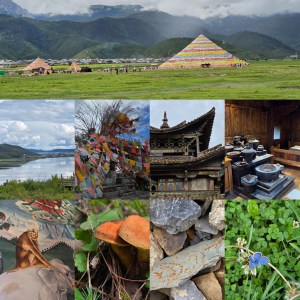
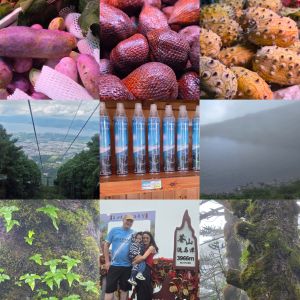

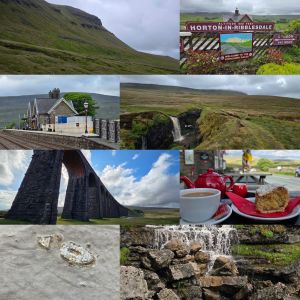
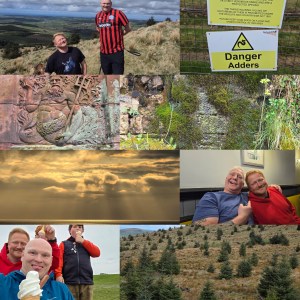
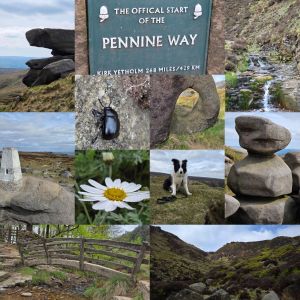
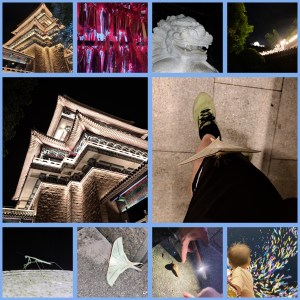
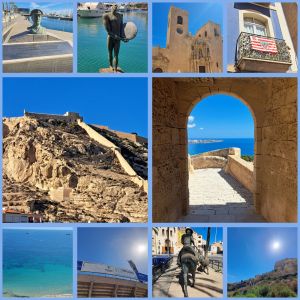
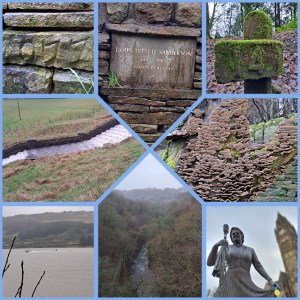
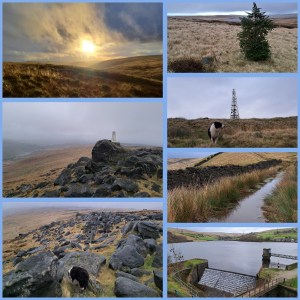
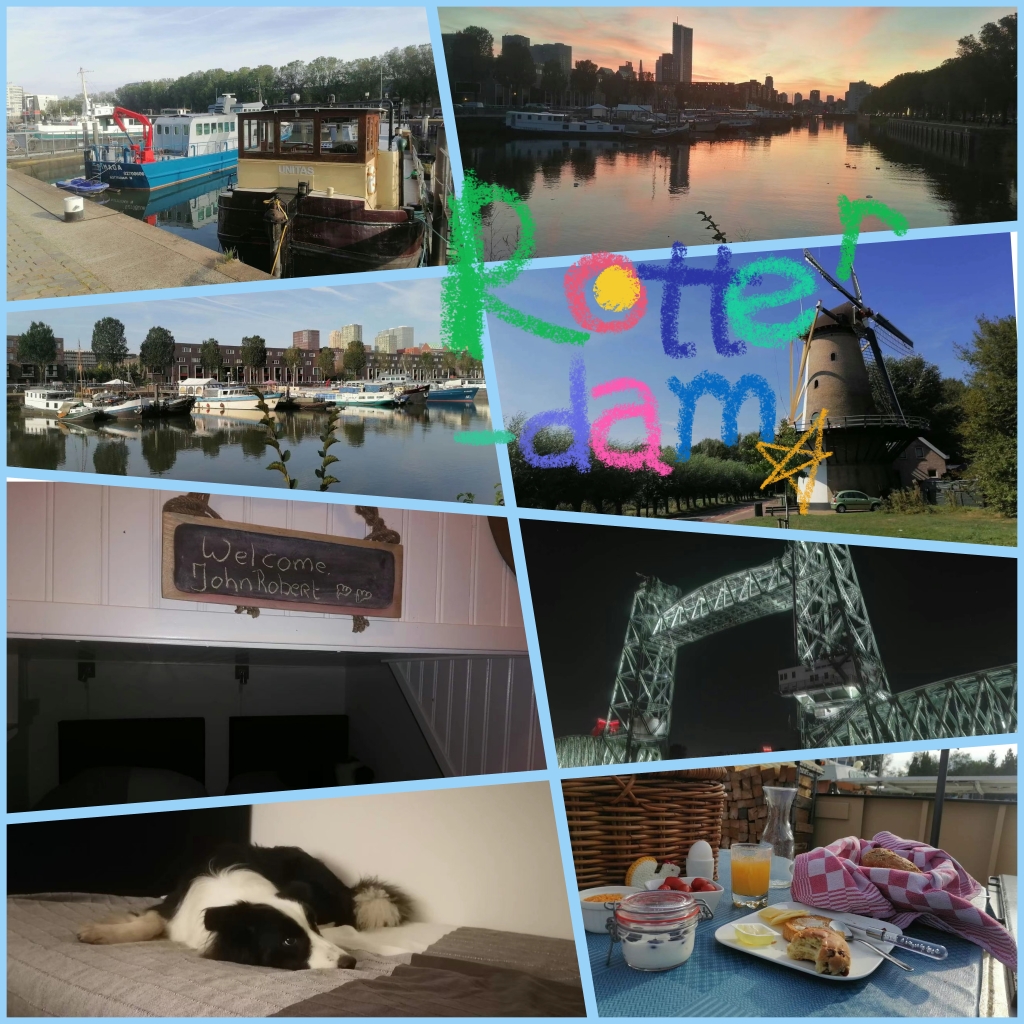
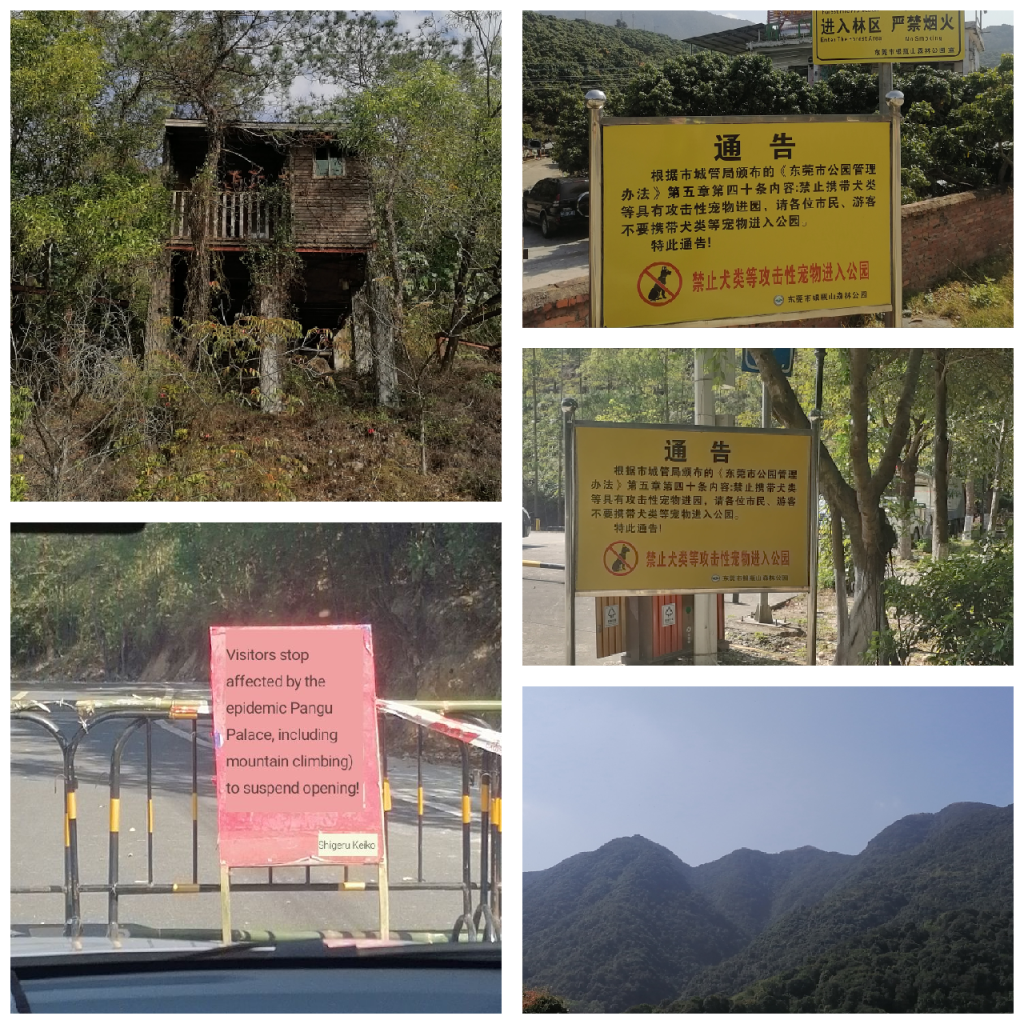
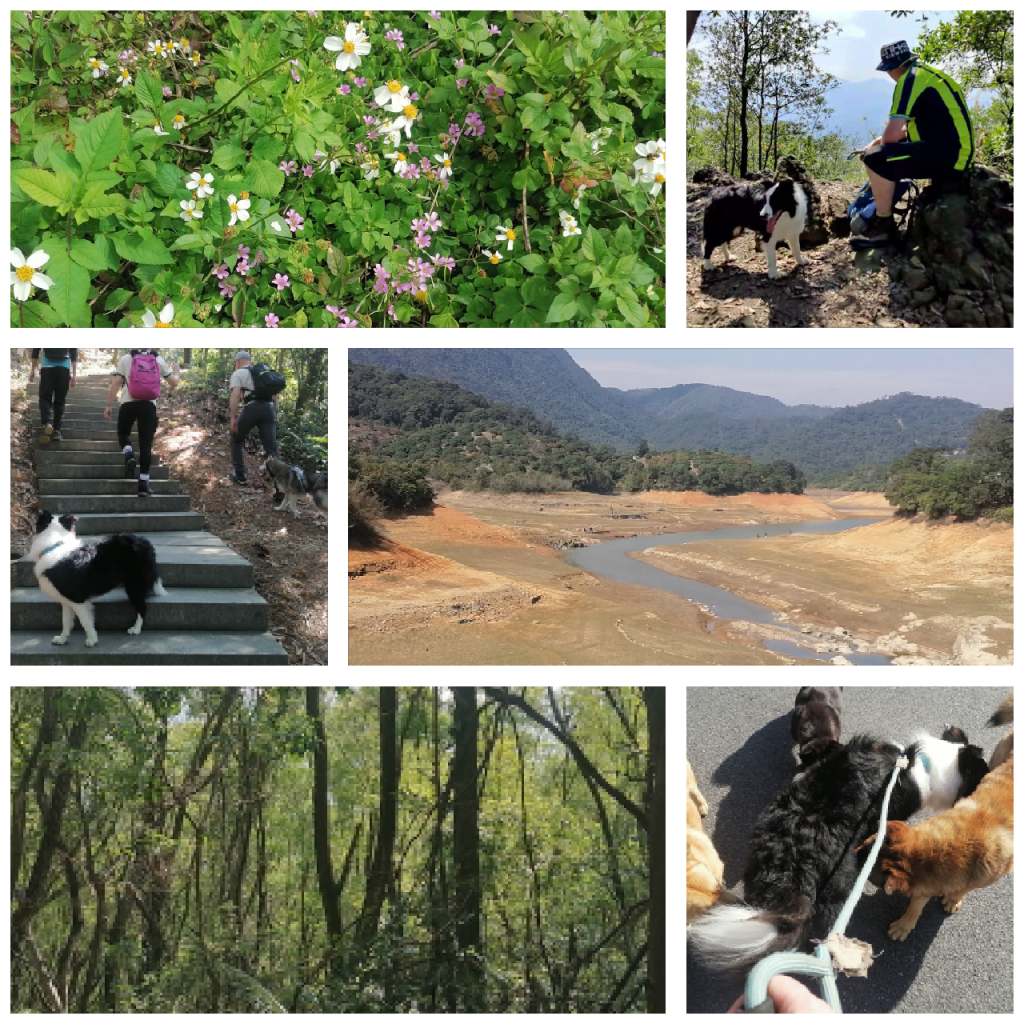


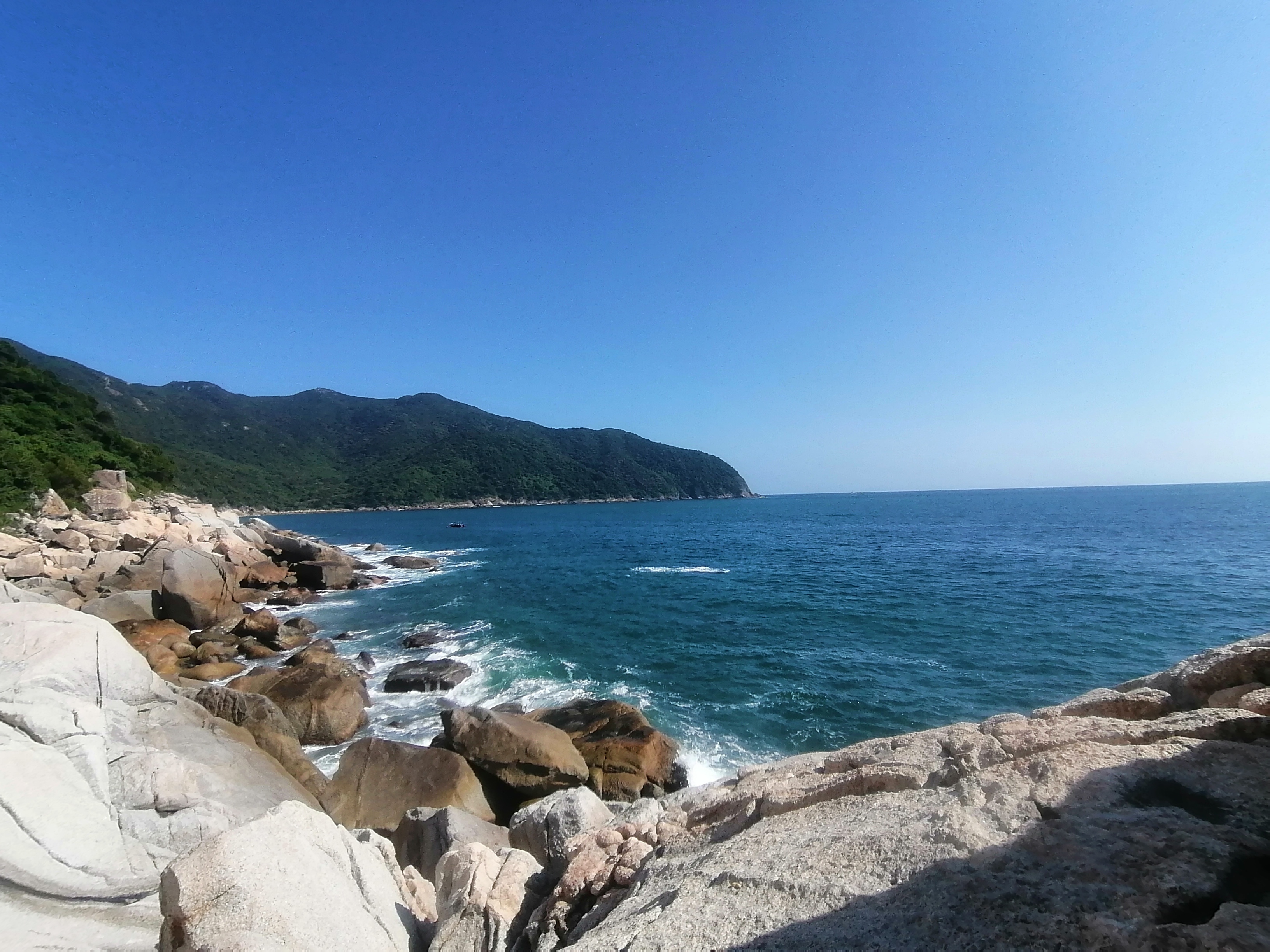

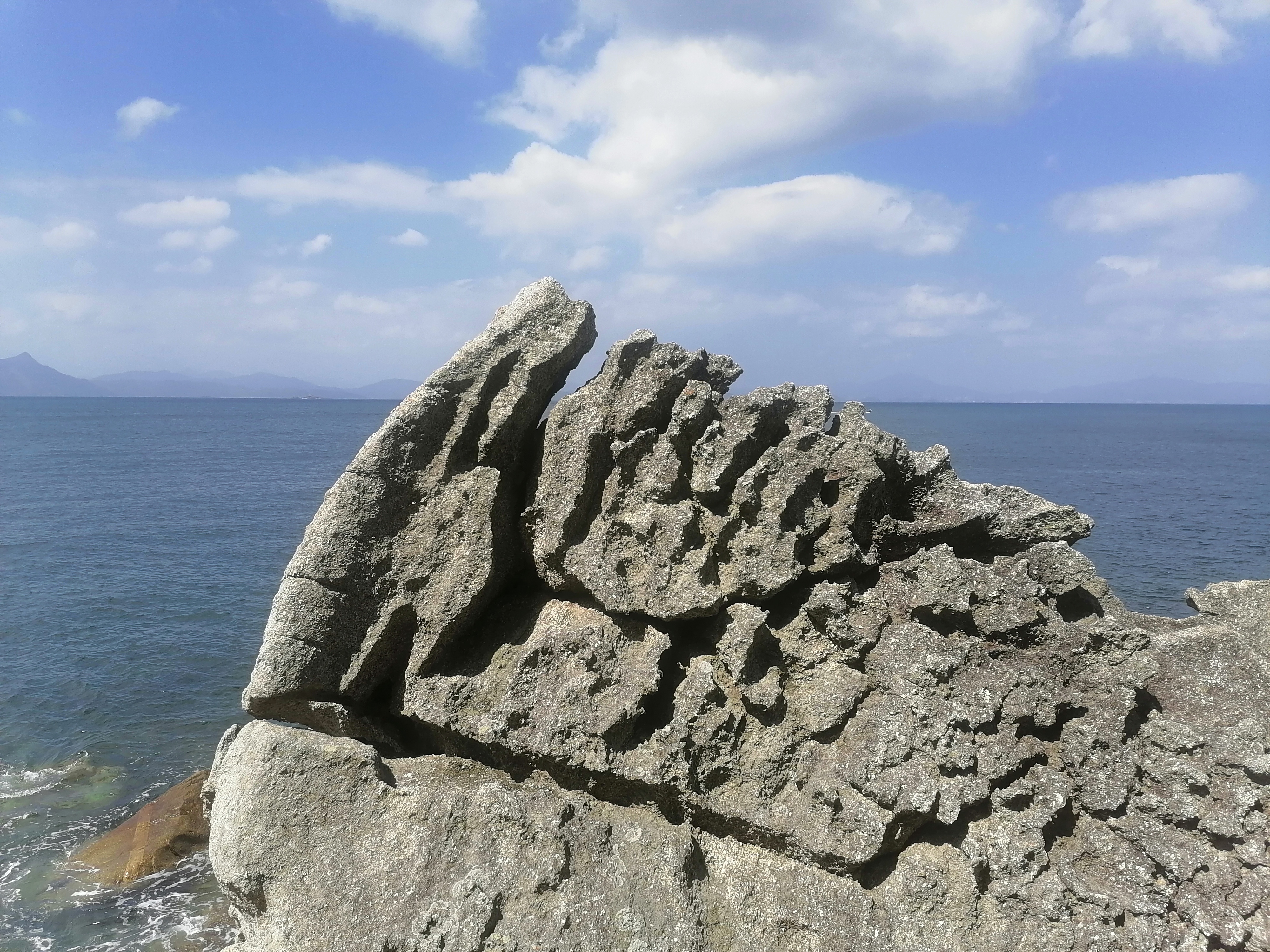


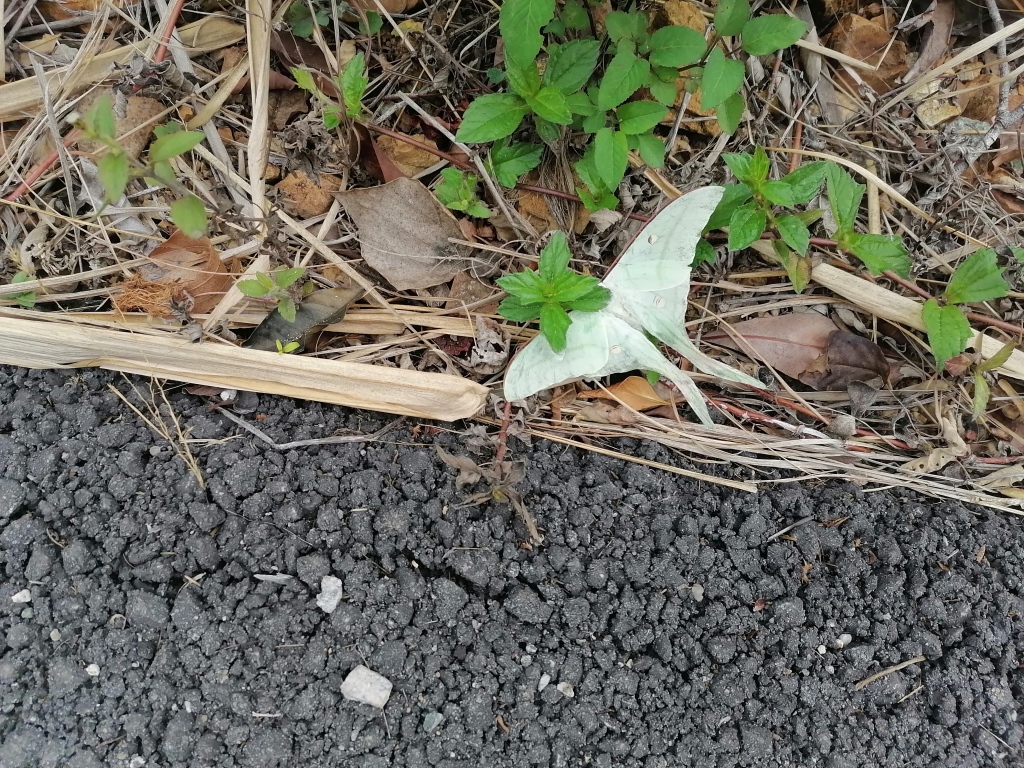
 AGAINST THE FLOW OF TRAFFIC - ACTON28.BLOG