The first train from Chaka Lake station left on time. I’d spent an hour or so prior talking to a young your guide called Ethan. His tour group were busy exploring Chaka Lake. He kindly shown me the mine workers’ village and a nondescript shed that doubled up as a shop. Inside it was crammed with fresh vegetables, beers, spirits, dry foods and all the things life needs to survive. The dark shop had a big bottle of water and a bottle of lemon tea. That’s exactly what I wanted for the four hour train ride ahead.
As I went to pay, Ethan, born in Qinghai and a graduate of philosophy, beat me to it. He insisted. It’s hard to fight warmth and kindness from people at times. We sat on his your coach, complete with snoring driver, and talked about Buddhism, Confucius (孔夫子 Kǒngfūzǐ), Muslims (Hui), and harmonious people. He mentioned how one grandfather had fled persecution during the Cultural Revolution, on the advice of fellow villagers and how another had ridden his horse away from the late-World War II battlefield with Japan.
I changed at Xining for the second train. A sleeper carriage all the way to Chengdu (成都). I awoke, still with three hours to kill, flipped open Word By Word: The Secret Life of Dictionaries and half-read, half-day-dreamed. Alighting the train at Chengdu Railway Station, I emerged into a world of grey. Concrete and aged. My first impressions lacked enthusiastic joy. I headed down to the subway for a tube train to the Chengdu South Railway Station.
I departed the station’s subway via exit C, emerging into a barren building site. I turned right, trying to find a way to the other side of the surface railway. After about a kilometre of walking, I arrived at the Skytel hotel. I checked in without trouble, then headed out for an exploration of the city’s relics.
My initial impression of the city softened. Littered with monasteries, relics and life, the city of Chengdu became a green established city with limited construction (unlike many other cities) but sadly one that has far too many flyovers and cars. I visited a monument to Zhūgě Liàng (诸葛亮), the one time legendary military leader and prime minister of Shu Han (蜀汉) during the Three Kingdoms period. From there I tasted black ice cream from a black cone. No apparent explanation could be given. The Wuhouci (武侯祠) temple was okay but the modern Jinlin Ancient Street (锦里古街) around it was heavily commercial, in a way resembling so many other cities that have tourism at their hearts. The new version of an old style street is very much a photogenic tourist trap.
The biggest draw for tourists lies to the city’s northeast. The city of Chengdu is famous for the Chengdu Panda Research Base of Giant Panda Breeding Centre. It’s a kind of zoo limited to red pandas (the original panda) and a handful of aquatic birds… and Giant Pandas. The 58RMB ticket seemed a little harsh at first. Every enclosure had a sign saying that Giant Pandas can’t go outside in warm weather. For me it was no problem. For many other fare paying customers, they were angry on the border of irate.
On entering several internal enclosures, I managed to see a few scruffy Giant Pandas. Their housing having turned their white to grey and black to dirty. Usually Giant Pandas sit with their arse to the windows. Maybe to drowned out the think it on the glass by adults and kids alike. Tired looking security staff didn’t seem interested in keeping the noise down. Some opted for megaphone to make sure you didn’t stay still too long and enjoy the majestic mountain beasts.
Cameras and selfie sticks are all fair and good, but waving them around carelessly striking a Mancunian in the face will only result in an ouch and a tut. Said person then asked me to “小心” (xiǎoxin) which means be careful. It was entirely my fault to be stood still and swiped by a careless metal pole with an iPhone begging to be stamped on. But, instead I tutted. Tut!
I observed Sichuan Opera (四川歌剧院) on the way to meet a good friend Momo and also caught up with an organiser of the Dongguan World Cup for beers, a natter and midnight snacks. His former student friends were all policemen and lawyers. It was an interesting insight into Sichuanese language and culture. They were all so very friendly. Just like the Taoist people at Qingyanggong Temple (青羊宫) and Du Fu’s cottage (think Chinese Shakespeare). Most of the food I ate was not too spicy (微辣; wēilà) but often it was too oily and spicy. The midnight snack hotpot from a Chongqing boss (老板 lǎobǎn) was delicious, even though I’d ate earlier!
Sichuan pepper (花椒; huājiāo) isn’t too hot compared to Thai and Indian foods. It’s just a little more drying with a kind of mouth numbing effect. Although for one meal, passing a Scotts Fish & Chip shop I had to try it. For 110RMB, the large cod and chips with a drink didn’t disappoint at all! A huge Tibetan area by the Wuhouci temple also had my belly full far too much. Meeting Momo in Comfort Cafe (British-style) meant my two days in Chengdu featured a balanced diet of hot and bland. A good Ploughman’s is hard to find. Sorry, Comfort Cafe, I didn’t find it. The piccalilli wasn’t bad though.
Meeting a student who was travelling alone, I ended up exploring the Panda Museum at the Chengdu Panda Research Base of Giant Panda Breeding Centre with Jason. He explained how he was studying to be a soldier. I didn’t ask questions. Anyway, we tagged along together and ended up going to the immersive Jurassic World exhibition. The 168RMB allowed a wander through some animatronics and simulations. It wasn’t bad and took me back to the first Jurassic Park movie and book. A highly enjoyable contrast to other cultural parts of the days in Chengdu. Chengdu is truly a modern old city with a futuristic outlook.
Next stop: Dali (after a bloody noisy train journey… or three). It’d be nice if the obese woman and her young child that is full on slobbery would stop screaming down their phones. The phone calls are not really helped by the in-out, in-out nature of tunnels and mountains. Almost everyone around them is going on mad. I’ll just tut. Tut!
I arrived at Chaka Station (茶卡站, Chákǎ Zhàn) 151km from the gargantuan Qinghai Lake, and 300km from Xining. The smooth railway journey was sandwiched between sweeping views and seemingly endless tunnels. The train ground to a halt on the single track. A chugging diesel engine had swapped with an electrical unit at some stage of the journey. I guess that hour where I had a nap.
The station was immediately at the gate of the scenic area. Chákǎ 茶卡盐湖 Salt Lake (Yánhú) has a salted bed. That’s the reason for such a high level of reflection. There are salt mines around these parts. It’s known as a photographer’s wet dream. For 60RMB (less in off season) and a further 50RMB to board a quaint sightseeing train, there’s much to be seen across the 105 square kilometres of lake. I walked the 3km to my hotel, checked in and then walked back.
Chákǎ is a Tibetan word meaning salt lake. It’s located around 3059m (10,036′) above sea level. That’s probably the reason the Gaoyuanhong Inn has disposable oxygen canisters for sale. That and some salt products. Salt seems to be a thing here, having been mined for three millennia. I read the salt below the water can be 5 to 15 metres in depth. And, every time it rains more salt is brought down the valleys. The once sea area keeps providing. Some claim it is infinite.
There are sightseeing platforms and decking everywhere: a tall 30m tower; a platform with the words ‘I love Caka’; two hearts in love as a platform; and the mirror of sky squares. It’s a real draw for tourism, apparently attracting over a million visitors a year. Sculptures are present and some honour the Wuxian tribes who once harvested the plains and salts of Chaka. Closer to the present there’s an abandoned salt factory and salt-mining transportation hub. There are yachts, helicopters and all manner of ways to see the lake’s splendour.
A smaller lake, Sky Number One Lake, is a little east of Chaka Lake. However, I’m not rushing to it. My experience of saltwater is that it stings broken blisters, makes you really dry and forms a crusty layer over your skin. I’ll take it easy and enjoy the sunrise then have a wander.
The train rolled into Xīníng (西宁) and I skipped immediately down the stairs, found a wee man’s room and had a piddle. As exciting as the journey was, I could not go to the toilet. The views and valleys were something else. The tunnels were also rather long, and I didn’t want to gamble on missing any scenery whilst urinating. Hence, the urgency at Xining’s plush railway station.
Xining is the provincial capital of Qinghai (青海). It is home to Mongols, Tibetans, Han Chinese, and Muslims (Hui). It has a mixture of vibrant cultures. Walking around Lotus Lake (Mayigou Reservoir), I witnessed Tibetan music, Muslims walking and relaxing and Han Chinese carrying umbrellas in the afternoon sun. The train journey into Qinghai crossed huge expanses of grasslands, tight valleys and mountains beyond mountains. There’s nature in and around the area. The WWF (not the wrestling lot) have an office here.
The language around here is different, it’s Mandarin but Qinghaihua dialect. Like the language the cultures and food are quite diverse too. Almost as diverse as the routes of water within this province. The three great rivers of China have their sources in Qinghai. The Mekong, Yellow (黃河) and Yangtze rivers all begin here. Xining’s Huángshuǐ hé (river/湟水河) is a tributary of the Yellow River.
I started Monday by moving hotels. My first choice hotel had no vacancies for two nights so I moved to the Xinsu 1357 Inn. I should have stayed here sooner. The wooden and brick lodge was cosy with lovely lighting and Tibetan decor throughout. Even the room key card came in a hand-carved wooden block. Immediately after checking-in, I set out for the Tǎ’ěr Sì (also known as KumbumMonastery 塔爾寺). Near to Xining, the 14th Dalai Lama was born and he later spent time at Kumbum. As did Peter Fleming, journalist brother of James Bond creator Ian Fleming.
The monastery was dazzling and wrapped in the blanket of history. There were some buildings rebuilt after a fire in 1912 but mostly the temples and shrines dated to the 17th century. The number of monks is residence is close to 300, a tenth of its peak population. The odd cat and umpteen pigeons scattered between the natural bird population seen on the green fringes of the site.
Whilst wandering a passageway, a pretty young girl stopped me. I’d seen her distinctive glow in a courtyard just moments before. Her curious eyes and manner stopped me and asked me a few questions. My favourite question was, “It’s all in Chinese, how can you understand?” I replied that I’d visited many Buddhist places in Nepal and then we talked about travels. Stacey, as she introduced herself, was a recent Masters graduate and worked with the internet. Smart kid. She’d been to France to study and had a bubbly personality. I bid her goodbye and she scuttled off back towards her native Beijing.
The cultural day featured The Great Lama’s Residence, Yak Butter Scripture Temple (a huge butter sculpture in a refrigerator of a modern temple), then the Huangzhong Huanghe Cultural Museum. From there I wandered to Huangzhong County Museum, and a Tibetan Museum by the Mayigou lake/reservoir. I’d already walked the pleasant area around the reservoir the day before. Today I aimed for the food festival site at it’s far end.
I joined a Tibetan family’s stall and ate a kind if bread with lamb inside. This came with a spicy coleslaw-like salad and some rolled dough noodles (擀面皮 gǎnmiànpí). It was all delicious and a fantastic way to feel full on a walk back. That and an ice cream.
Frustrating things happen. That’s life. Some conversations lack progression or clarity. That’s the way of life. The important thing is to be polite and patient.
“When did you enter China?” “March 2020.” *pause*
“When did you enter China?” “March 2020.” *thinking*
“When did you enter China?” “March 2020.” *puzzlement*
“When did you enter China?” “March 2020.” *does not compute*
“Show me your vaccine certificate.” I complied.
“Did you leave China since coming to China?” “No.”
“Please wait a moment.” Minutes pass.
“When did you enter China?” I repeatedly point at my passport entry date stamp.
Questions about where I was yesterday, the day before, last week follow. “So, you have no job?” “I’m a teacher. I am on holidays.”
Guess the next question. I ignore the train conductor. Until the next visit. This time she has an array of questions…
I was asked why I was on holidays; how I have worked in China since the pandemic; why I have no wife; why I didn’t go back to the UK; why I didn’t stay at home; which school I worked at; do the school allow travel; do the school know where I am; why am I travelling alone. I had an audience around me. One person insisted on translating for me. A kind stranger. One passerby stood an recorded it on his phone. I imagine I’ll be on TikTok/Douyin soon enough. After all of that I was none the wiser as to what I’d done wrong. Perhaps I’d stolen some hotel soap. I didn’t want to leave the bar of soap to be wasted. Perhaps, I didn’t give my first pet’s name?
Tuesday’s 8am train from Xining railway station arrives at Chaka Lake by 12:10. The hard sleeper service cost 275RMB return, but it meant sprawling out with a book would be possible, and not a hard seat for the bottom. The Gaoyuanhong Inn would provide a night’s sleep before returning at 17:10 on Wednesday for a 21:30 arrival in Xining. That should fit in a trip to the Dongguan Mosque (东关清真大寺; Dōngguān Qīngzhēndàsì) before departing Xining…
Chaka Lake and Chaka Khan are two very different things. The latter is a Singer-song writer, born in 1953, famed for I’m Every Woman and Ain’t Nobody. Chaka Salt Lake is often known as the ‘Mirror of the sky.’
The pass at Jiāyùguān (嘉峪关) is the Ming Dynasty‘s western end of the Great Wall of China. From 1368-1644, the Ming Dynasty rid China of Mongols and had 16 Emperors. During which time, 168 years of facial lifts have led the Great Wall to it’s current state of appearance. That and some careful restoration work in the 1980s too. The pass lies on the Hexi Corridor (河西走廊 Héxī Zǒuláng) at the narrowest point, which is a plain between the Tibetan & Mongolian Plateaus.
For the afternoon, I visited the Overhanging Wall (悬壁长城), the First Pier of the Great Wall (长城第一墩; changcheng diyi dun) and Jiayuguan’s original fort area. The taxi driver I had selected had agreed 180RMB for the routes and waiting times. The 120RMB tong piao (ticket) allowed access to all three sites. Although at the pier site an electric car is on offer for 20RMB for those wishing to avoid the baking sunshine. The dry hot sunshine is only comfortable for so long!
The Ming Dynasty’s Great Wall’s western end was a slog down a valley to a closed bridge to look up as the river sloshed by heavily. The River Lai fed by the Qilian mountains gave life to many regions but here few plants braved the unforgiving desert earth. After a while I headed to the museum in the 56 metre high cliff face and the final beacon of the Great Wall. The signposts were published in English, Chinese and Japanese. The English mostly resembled gibberish. Although I ascertained that this part of the Great Wall was built around 1539CE across 18 years. With that I went to the Overhanging Wall, next to a huge desert with military operations under way. Best to avoid that. I looked down from the picturesque wall at a ski slope and wondered how such a hot place could ever get snow!
Selection of Jiayuguan scenes.
The final stop was the fortified city of Jiayuguan. The Silk Road’s trading and tax station of old. Rammed earth, yellow and sand-like dried mud mixed with rice pastes, stones and straw have been shaped to scar the landscape around this region. The wall, of course, was a defensive garrison and outpost of a nation growing in strength and stature. It could even be said that some sections would blend into the surrounding desert. For unlucky invaders, trenches would lay hidden on approach to the wall, often filled with hazardous death-and-pain-inducing problems. Gansu’s northwestern city of Jiayuguan is named after the pass. The loess and windswept substrate reflected the sunlight up and at you.
After exiting the ancient walls of Jiayuguan, I found the Great Wall Museum was long closed. It shuts at the odd time of 16:30. It being 19:30, I tottered back to my hotel and ate some local barbecue foods on the way. My aching feet appreciated the early night’s sleep.
Following a good sleep at the Railway Station Ibis Hotel and an okay breakfast, I was lucky enough to hire the same taxi driver for 150RMB. I had initially enquired about the July 1st Glacier and mountain park (七一冰川) but was advised the whole area is closed for safety and conservation reasons. So, a new plan was made. First we stopped at the underground tombs of 魏晋墓葬 (Weijin Muzang). Here you could only visit one of nine unearthed tombs. It being far below the surface. The museum is a little underwhelming as most of the tombs had long been plundered. The few artefacts and coffins on display are nevertheless impressive. On, by cart, to the tomb site, and you alight in a wide open space.
I’m in a wide open space. There’s a wooden shelter. Beside that a concrete block the size of a small garden shed. A mound of earth covered in pebbles and grit protrudes. A small metallic vent sits atop. It looks out of place. The aggressive sunshine beats down. I feel out of place. An electric police cart parks in the shed’s shade. It is out of place. The shed’s metal door opens on aching hinges. A policeman gestures for me to enter. He’s the site security man and ticket officer. He clips my ticket and points to a staircase. I slip down underground. A welcome respite from the heated day overground.
The 36C heat of outside fades in just a few steps. Subterranean coolness wraps around me. After a few dozen steps, I’m at a largely concrete anteroom. Here I see a wall and facade of great detail. A small arch allows access to the tombs beyond. I crouch and enter admiring the majestic brickwork entrance.
Inside the tomb’s tight entrance, the dazzling array of colours leap from the four wall. The brick dome overhead looms over my tall frame. I strangely feel no claustrophobia but do feel calm. The air is still and silent. It’s eerily unmoving. The details of the drawings and the colours envelop my eyes. It’s morbid fascination has grasped me. I visit the three tombs in a line ducking through short archways to enter each ancient gallery. No photography is allowed. The light flickers ever so slightly. I reach for my phone to use the torch function. It radiates a deep pocket within the tomb. The drawings stretch into a smaller tube lined with bricks and stones. It’s a magical piece of history. The region has ruins everywhere to see.
Next the taxi driver kindly visited Yěmáwān Cūn (野麻湾村). This village with a sand and rammed earth fortress nestles between corn and other farmland. Watermelons were being grown across the road. I shuffled around the wire protection fence admiring the sparrows and swifts that had made nests in the crumbling ruins. The front of the fortress faces the main road and the rear is less dramatic but well worth a wander. The flooded farm fields next to this barren piece of earth are suitably contrasting. The modern art of survival alongside the old dried and decayed survival walls. All in sight of the snow capped Qilian Mountains many kilometres away!
The Qilian Mountains (祁连山; Qílián Shān) peaks at Kangze’gyai around 5808m (19055′), not the name of the whole mountain range. Interestingly, the uncle of the notorious flying ace Manfred Albrecht Freiherr von Richthofen (The Red Baron) had once named the almost 800km long mountain range. Uncle Baron Ferdinand went with the local name of Richthofen Range. He also created the name Seidenstraße which these days we know as the ‘Silk Road’.
My silk road following was almost over. The D2758 train at 11:09 from Jiayuguan South will whistled through Zhangye West on Sunday passing through a place called Mingle before arriving at Qinghai’s provincial capital city Xining for 14:36. The seat I should have been on in carriage 11, had a sleeping individual across three seats on a packed carriage. His snoring was causing perturbation to other passengers. I should him. Nothing. Again. Nothing. I said excuse me in Chinese. Nowt. So, I moved to an empty seat and hoped for the best.
The Qilian Mountains straddled my right hand view. Their snow caps contrasted greatly with the foreground view if rolling desert hills and the northern reclaimed agriculture on a plain once covered in arid nothingness. That’s all for now. Time to enjoy this train journey.
A little later than expected the Z6207 train rolled into Zhāngyè (张掖) Railway Station. The Lanzhou to Xinjiang Railway (兰新铁路/Lánxīn Tiělù) Service was not expected to terminate there. It would carry on to somewhere along the 1904km (1183 miles) line, perhaps even Ürümqi itself. The train Oliver and I had arrived on was not the train we were supposed to arrive on. We were supposed to have arrived on the 12th by 12:51. Here we were, in Zhangye, on the 13th, at 16:40. Our replacement train had been six hours late leaving Yinchuan in Ningxia, so that had long missed the connection at Lanzhou West in Gansu. We’d looked at countless alternative routes, alternative plans, flights and in the end, just waited. No simple solution presented itself. Many dull hours in Yinchuan station led to us boarding a train and waking in Lanzhou, to then tackle 12306 Chinese Railway customer services, with a handful of crap Chinese and a bucketful of determination. With regret, we opted for a 5 hour train journey in standing room only. By room, there was little room, although for the last hour of the journey, we managed to sit down. The train was cooler than the outside 38°C.
After arriving the local security and medical team at the station made us supply dates of travel, PCR (COVID-19) test results, green codes, phone numbers, places we intended to stay and our pet dog’s mother’s maiden-name. It was just a small hiccup in an otherwise wonderful travel. COVID-19 had seen many people pull their masks up as we approached. A very thoughtful act! Their saliva and spray from breathing could no longer get in our pathway. Some even jumped out of our way. Being vaccinated and the current pandemic has made many question our arrival dates into China. My standard response is, “Wǒ cóng 2020 nián 3 yuè 26 rì kāishǐ zài zhōngguó, wǒ yǐjīng liǎng nián méiyǒu chūguò guóle.” I may get that on a T-shirt: 我从2020年3月26日开始在中国,我已经两年没有出过国了。I have been in China since March 26th, 2020. I have not left the country in two years. Maybe on the back of my new Manchester City shirt?
Zhang-YEAH!
The first thing we did was say hello to Waits and then go for dinner, an early one, a local dishof chicken in thick noodles and plenty of sauce. Waits had recommended it. We devoured it. Little remained. Following that we enjoyed a walk around the Zhangye Wetland Reserves (a Ramsar site: Ramsar is in Iran and happens to be where the 1971 Convention on Wetlands was held). The Hēihé (Black River or Weak Water/弱水/黑河) banks give this fragile temperate desert environment a surreal edge. It is a set of oases – some small oasis, some huge. I spied a Baer’s pochard (Aythya baeri), some gulls and a stork flying over. The water, in the evening, had cool fresh feel, lowering the temperature of the air around. It gives life in a tough place to live. We talked a little before all retiring to our hotel, leaving Waits to drive the short road home.
On the recommendation of Waits, the Zhangye Pingshan Grand Canyon(平山湖大峡谷; Pingshanhu Daxiagu) became our destination for our first morning in Zhangye. We hired a taxi to the destination for 229RMB. With access, via tickets costing RMB, and paths spanning out to the 1040 square kilometres filled with red-layer Mesozoic Jurassic rocks and sands. Gullies, stacks, sandstone mountains and years of erosion capped with grasses, small shrubs and few signs of trees as the near-sterile mountain swept over an almost-infertile great distance to the barren desert below. Here, Oliver and I wandered and explored the desert area, where it was spitting and cloudy. The toasting desert temperature of 35°C dropped to a pleasantly mild 22°C. After our wanderings we headed to the car park, and the Didi app failed us. We tried in vain to get a taxi. No joy. Not until Oliver managed to ask a hotel to help us. A kind woman taxi driver offered to get us to our next port of call for 258RMB (including an 18RMB toll charge).
Looking back as the taxi car pulled onto the new highway, the towering mountain-scape beyond the canyons looked dark green. The aspens, spruces and cypresses soon disappeared and the bleak desert surrounded the highway for some time. Soon after passing through the tollroad, the car slid into a long tunnel appearing beyond a range of mountains closer to Zhangye’s city. The car slowed and the driver explained something, and that her friend would carry on the journey. Her friend drew alongside our car and we were delivered on the roadside like contraband. Her friend was a talker, and never shut up yapping, even after Oliver and I fell asleep. We awoke as the car skidded to a halt at another of Zhangye’s Danxia landforms. The driver took my Wechat for contacting later and pushed for us to use her taxi on the way back. I declined, because we didn’t want to be rushed. I said I’d order her taxi later and pay. She agreed but still persisted. I said to her, “Do not wait.”
The colourful mountains of 张掖七彩丹霞旅游景区 (Zhāngyè Guójiā Dìzhìgōngyuán/Zhangye Qicai Danxia Scenic Spot) rise and fall like towering sea waves. They are devoid of life. Few plants grow. This is the driest area of the desert. The strata of rocks displays multitudes of colour over an area of around 510 square kilometres (200 square miles). The public access to the park is limited to a handful of areas to prevent erosion. The organic sediments make for a rainbow effect with colours often hard to describe. I went with blue-yellow, but Oliver said it was green. We couldn’t agree. Iron, trace minerals, sands, salts, uplifted sediments and silicilastic rocks make for a vivid and overwhelming landscape. Hematite (a kind or iron oxide), Danxia formations, yellowing metallic sulfurous rock, green chlorite rich clays and purple slithers give the eyes a challenge to decipher the blend of colours. Cameras do not do the region justice. Watching sunset here was a treat, just like the superb market Waits recommended for dinner afterwards! Gansu knows how to do beef noodles!
The shuttle buses, walkways and guided routes of the Zhangye National Geopark are a must. Long may people witness the glory of nature’s Qilian foothills. At first Oliver and I were disgruntled at being corraled along a pre-designated route, but the volume of people (easily tens of thousands) merited the passing of numerous gift shops, cafes and hot air balloon ride areas. The millions of years that have seen dinosaurs and their terrain smashed to smithereens gives us the impressive ‘Rainbow Mountains’. Tourism is under regulation to allow for that to continue. The 74RMB ticket includes the shuttle bus journey. Walking solo is now banned. Walking out of the exit gate after our wander, and checking my phone, I spied I had 8 missed calls from the taxi driver who had got us there. Just as I looked up, Oliver said, “Here’s the driver!” And, she tried to push us to move faster. I purchased some delicious apricots and Oliver browsed the souvenirs casually. Eventually we boarded her car. She had gained another customer who was sat waiting. We went back to the city. She dropped off the man, and he paid 200RMB. At which stage, we were famished, and decided to find food there. We told the pleasant but pushy taxi driver. She then demanded 450RMB! We agreed at 100RMB. She had tried to rip us off.
At 东大街 (Dond DaJie) we found 甘州市场 (Ganzhou food market; Ganzhou is the old provincial name) and ate twisted dish noodles (without fish). Cuōyúmiàn 搓鱼面 looks like fish, beef noodles and a crispy crunchy 洋芋擦擦 (potato wipe?). It was so good, that we went there the next day for lunch and ate like pigs, drank lemon water like it was going out of fashion and chilled in the heat. The day had taken us around Zhangye’s city centre to see the old wooden pagoda (西来寺; 50RMB not well spent), Great Buddha Temple (大佛寺: to see a lay down 34.5m long Buddha; 40RMB well spent) and the Bell & Drum Tower (rebuilt 1668, which now doubles up as a traffic roundabout; 10RMB entry). The city of Zhangye has much to offer, but sadly time was limited. With Waits being busy, I decided, over a cold Dayao (大窑: an Inner Mongolian soft drink that tastes like bubblegum), to depart the day after Oliver.
Oliver departed, on Thursday, by Didi taxi car to the Lanxin Second Railway/Lánxīn tiělù dìèr shuāngxiàn (兰新铁路第二双线) Zhangye West Station (张掖西站) and I turned right from the food market area. His connecting flight in Shenzhen being a week or so away, and my need to carry on wandering led to the shaking of hands and goodwill words. Now solo, I wandered around the city’s many parks and then went for a late afternoon nap. Afterwards, I met Waits for dinner and nattered until late.
Departure for myself came the next morning (Friday), again from Zhāngyē Xī Zhàn. Here I caught the D4011 to Jiayuguan. As it was available, I grabbed a first class train ticket for 125RMB. I wouldn’t usually do that, but as Chester-born comedian Jeff Green used to say, “F**k it, I’m on holiday!” So, I sat comfortably and enjoyed the plains, mountains, and rolling parallel railway.
I’ve known Waits since I joined Shenzhen Blues way back in 2014-ish. The oddity of it all, is that he and I hadn’t met in person until July 2021. Arriving in the old Zhangye Railway Station I spot Waits by the railway station entrance immediately. His sky blue t-shirt emblazoned with MCFC was exactly what I had expected to see. Us Blues stand out. What amazed me most is that Zhangye is 2865km from Shenzhen. There are no direct flights, and certainly no direct trains. The quickest flights via Lanzhou are 5 hours and 50 minutes.
Brother Waits.
Waits has been following Manchester City for years. We’re not talking about a glory-seeker at all. He latched onto the singers of the blues on the back of a certain Sun Jihai. He’s endured seasons of toil and mid-table football, before the good times came along. He even said he preferred watching City from 2001 to 2009. Most City fans have that romantic lust for those times. The expectation and the angry eye of the media these days can be all-so-consuming. He’s sat up at all hours of day to see the famous sky blue and white team play umpteen teams over land and sea… and Stretford. He’s one of our own.
Submitted December 2019 to SZBs.
Over the years I have acted as his football jersey mule, occasionally sourcing one or carrying his Classic Football Shirt orders from my Mam’s house to China. His collection, his famed home-office (man cave?) is full of City. Tencent and QQ media have interviewed him. He was interviewed for Shenzhen’s live fan gathering at the end of the last season. He’s featured on City’s Inside City shows and other places too. Sometimes, I wonder why Manchester City’s China office hasn’t offered him a position (of remote working). His passion for teaching English and his love of City is for all to see.
Waits reply to his best goal: “SWP nearly zero angle shot”
Waits has translated the poem This Is The Place by Tony Walsh, with permission. The Chinese edition featured in Dongguan’s defunct HubHao magazine and online. Shenzhen Blues also published it to Manchester City fans in China. For years Waits has translated Manchester City’s On This Day information, statistics, facts, stories and tales of City folklore. He’s encouraged young and new fans alike, giving advice, passion and fairness accordingly. He has championed the Champions before they won leagues, cups and trophies (this century). Recently, he translated an interview between Mark McCarthy (Manchester City Match Worn Shirts, MCMWS) and Pete ‘The Badge’ Berry.
这是我和@Waits 还有@二蛋💭 一起运营的公众号,会发一些曼城相关的好玩内容。欢迎订阅! Miranda, @Waits and @二蛋 are running this public account. It will share some interesting content about City on it. Come and subscribe!Go on!
His favourite game remains City beating Tottenham Hotspurs having gone 3-0 down to come away 4-3 winners. Considering the games that have passed since, he’s sticking to that one game. He even chooses Kevin Keegan as top gaffer over the elite leaders that have managed the Citizens since. He told me once that he translated subtitles for There’s Only One Jimmy Grimble! Hey Manchester City China, “Go on, give it to Waits!”
Shenzhen Blues in Zhangye… and a mad Aussie called Oliver.
Waits has much more to him than football. Whilst he plays it with students and local Zhangye folk, he can often be found strumming his guitar. A few renditions of Blue Moon have been heard over the years. And, in recent years he has welcomed Amos to his family alongside Mrs Waits. The family can enjoy tales of how Waits was raised on a cavalry base by his mother and father. They can discover their Sichuanese heritage, without taking a panda! Whilst Waits asked more questions, than I asked him, when he spoke, he spoke in an articulated way about all manner of things. I learned about Zhangye’s three Buddha statues. One standing, one crouching (tired) and one resting.
Wandering chitchat Blues
One thing, I can say about Waits is that his English is fantastic. He asked me, “What do you think of my English accent?” I think I hurt him, with my joking response, “It sounds Chinese.” In actual fact, his English is very clear and follows a British tone similar to that found on Downton Abbey and other TV drama shows set in England. I probably have only met a dozen Chinese-born people who have such a great spoken English accent. Obviously, Waits is not speaking Mancunian-nasal tones but his heart is definitely in it! Innit.
A small snack of kidney, liver, stomach, intestines and breads. The local Zhangye food was delicious!
Ode to Hart
Time, flows in passing days, Memories, flashes now and then, And my tears, reluctantly falling, Falling like I’m faking falsely by no means.
No more you on the pitch No more your passion, your shouting and your encouragement No more your commitment, no more your fighting, your joy and regret Because I know, gone is gone Like your waving to us Your clapping, and your farewell words
“We are all grown man, we get over with it.” Happy 30th, my HART. Happy everyday It’s not something I won’t let go It’s you.
They may forget, but I won’t They may laugh, and I won’t Neither will I forget nor will I laugh I will keep it in my heart and keep you my SOUL AND HART
Waits [April 19th, 2017]
Dinner and a local brew.
I hope that the next time I see Waits, we can enjoy a good old chinwag and I’ll get to know more about him. It was good to hear him talk with enthusiasm about how my Mum with Paul visited him on his trip to Manchester to see his first City game. I liked his response to how a City steward offered him tickets to Old Trafford swamp to see that lot play and he flat out refused, pointing to his badge. Pride in battle indeed. Until next time I meet Waits, I consider him a great friend and a wonderful person to know (with great English).
你为什么追随曼城?Why do you follow Manchester City?
你最深刻的曼城记忆是什么?What’s your favourite Manchester City memory?
你最钟情的曼城球衣是哪几件?What are your favourite Manchester City shirts?
说出你心目中的曼城最佳阵容。Name your all-time Manchester City XI (eleven).
这个赛季最终的结果将会如何?How will this season end?
你去过曼彻斯特吗?如果没有,你梦想去那里旅行吗?Have you been to Manchester? If not, do you dream to travel there?
在中国,你会推荐外国城迷们去哪里参观?他们应该尝尝哪些中国的食物呢?Where do you recommend City fans see in China? What food should they try?
I am writing from near the seat of the West Xia Kingdom (1038-1227). The city of Yinchuan is about 25 kilometers (15.5 miles) away from the tombs and mausoleum. The bone dry eastern face of the Helan mountain range towers over the mausoleum site. The site spans around 50 square kilometers (19.3 square miles) and approximately 9 imperial tombs, with a huge 253 lesser tombs. They’re still making discoveries to this day.
The tombs are incredible to witness. The museum at the entrance has six very modern galleries full of relics discovered across the site. The lighting, style and interactive nature of the artefacts is we’ll organised. There are plenty of opportunities to visit the a 3D cinema, gifts shops and grab plenty of water for the outdoor experience that follows. From the museum you can walk to a bus transfer. Here we opted to walk to the mausoleums and experience the desert ambiance.
The mausoleum site is spread out, striking and feature-rich. Steles, towers, sacrifice palaces, earth walls, and natural damage by winter floodwater alongside cracks in the earth covered the whole region. Using three-wheeled scooters after plenty of walking, we managed to see huge distances of the area. Sunblock was applied almost hourly, as grasshoppers flew by with clicking sounds and cute Gerbil-like rodents scampered around. With two litres of water, the day was comfortable, but more is advisable in 38 degrees heat! The sun is not your friend.
The day was a great investment in exploring the state’s deep history and culture. A taxi from Yinchuan cost 60RMB and a return Didi taxi car cost 85RMB with entrance fee being about a 100RMB. Just over two hours on the scooters cost 130RMB (but we certainly went off the beaten track).
The following day, Mr Oliver and I set out for the Great Wall. I’d suggested the Ming Great Wall stretch by a place called Sanguankou (三关口明长城). The three passes are about 2.5km apart. We didn’t go there. Mr Oliver found a section using Baidu maps and an overhead satellite photo near to the G307 highway (Ningxia to Inner Mongolia). So, after a Didi taxi car journey we hopped out in searing heat in the mountainous Alxa desert. Having left Yinchuan’s continental arid climate we were now at the mercy of the sun.
We scrambled up a mound of earth to see a watchtower, wandered down the road and looked at the adjacent wall sections. Here we respected every fence and sign. Then we went under the highway and followed a section of wall through fields and over hills. Horses, hares and hawks were frequent witnesses to our hiking. The enigmatic landscape surrounding the wall had so much to offer the eyes.
Fences came and went, so we walked close and far at times. We started trekking at about 10:30am and ended around 19:00hrs. Some sections had the backdrop of a Jeep safari driving range, whilst others had civilian roads with a handful of tourists driving by and saying hello. At some stage though we had to get back to Yinchuan. The map shown a road to the nearby Wuwa Highway and G110 highway. We avoided the military warning signs on a path seemingly headed into the mountains, passing some civilian contractors and wandered (now without any water left) along a bleak ever-expanding straight line slab of concrete. The road was intensely energy-consuming.
Towards the last 3km, just past the tanks, a car with two men gave us a lift to the highway. That journey was curtailed and after three hours of explaining our day’s walking route, photograph inspection and travel document verification we were driven to the village of Minning. The People’s Liberation Army were extremely hospitable. They seemed to understand that we’d strayed into their tank range unintentionally. They appreciated our desire to see the Ming Dynasty Great Wall.
The gate guardsmen gave us hot noodles, a cake and some fruit. And frequent, much needed water. The chief who came with at least three officers and the Public Security Bureau policemen kept apologising for taking our time. It was all rather surreal. We were able to cancel our onward train journey, and hotel for the next night. We also apologised politely and shown our sorrow at wandering into a restricted military zone.
The Public Security Bureau policemen waited with us whilst we tried to get a taxi or Didi car. As it was midnight, nothing was coming, so we spoke with a nearby hotel receptionist. He ordered a car for us. We got in, whilst being watched by the three policemen. They approached then checked the driver knew where we were going. Finally, they checked his credentials and found he was an illegal taxi driver. So, we stepped from the car, “for your safety” and the Police dealt with him. Annoyed by that inconvenience, we started to hike and try to get back. The Police gave up and headed back. Eventually we flagged down a van.
Nestled between chicken feet in buckets, flies on the roof and 400RMB lighter for it, we made it back to the hotel we’d checked out of that day. We retrieved our left luggage and checked-in. All is well that ends well. Our next journey is the 1842 train to Gansu’s Lanzhou city to meet a connection to Zhangye. What waits for us there?
The Great Wall (长城) is massive. It’s length exceeds the distance around the U.K.’s total coastline (I believe). Fact check that at your heart’s content. Heading from Xi’an involved a night train on a soft sleeper bed. The room had old yellowing lights, grim grey walls and no power sockets. It was cost-effective to travel and bunk, than to bunk at a hotel then travel. The selected option had no shower and barely a place to brush your teeth in comfort. The on board restaurant car involved a selection of noodles, room temperature water or baijiu (rice wine).
Having finished Lee Child and Andrew Child’s The Sentinel, sleep was an easy choice. My former colleague Mr Oliver occupied the attention of an enthusiasm kid trying to charge his phone at a busted power point outside our bunker of a room. The lack of ventilation wasn’t so bad because our closest window slid down from time to time. Waking up at 01:30hrs due to a slammer of a man thumping down his suitcase, thrashing his shoes off and generally bumping everything with loudness wasn’t so bad. Until his eruptive snoring. Still, I fell asleep well.
From Taiyuan station we wandered to a bus station, Jiannan Bus Station, bagged tickets and sat down to eat in a Chinese equivalent of a greasy-spoon cafe nearby. The Shanxi pickles were good alongside egg pancakes and eggs. After an uneventful journey with a dab of xenophobia, we arrived at the mining region of Yangquan (coincidentally where I’m writing this now). Immediately a Didi taxi was booked to Niangziguan and the village of ShuiShangRenJia. The water village has multiple bubbling springs feeding babbling brooks and streams. Some pass through and under buildings. Our homestay had such a variety of flowing water over the roof and in the restaurant area.
The above was written yesterday evening and since then there has been an overnight train journey on hard seats. Think little old ladies spitting into metal pans, snoring and general discomfort. On the positive side, some fellow passengers made space for my rucksack and moved from my first seat. Mr Oliver and I drank a few McDonald’s-based beers, pretending to be customers at the American Embassy branch of Taiyuan. It passed some of the three-hour transfer time.
We have wandered through Guguan Pass and Ningzi Pass in recent days. Seeing the old stonework and some newer sections has allowed us to explore a few off the beaten track avenues. Some knee-deep in thorns and prickly bushes, with wasps the size of fighter jets buzzing by our heads. Some horsefly species surely must take their name from that of them being the size of a horse. Scorpions and centipedes have whipped by and so far been avoided. Although mites and spider bites have likely been experienced.
The jagged snaking Great Wall sections at Guguan are far more dramatic than that of NingziPass. The protrusion at the latter have been remade in recent years but sit atop a splendid village and river landscape. At our lodge of choosing, the owners have decorated the walls with photos and artworks of the locality. The waterfall these days is hidden around a river-side theme park and tacky attractions. However, the Great Wall lines an ancient village.
Guguan is an oddity. The wall towers over a fantastic entrance gate. The ground is lined with centuries of horse and cart worn stones. Around the entrance, a highway slides through (under a section of bridge connecting The Great Wall). The scars of industry, mining and the Revolution periods of China’s new era shroud and strangle the Great Wall before releasing it’s higher levels to a combination of wild scrubland and farmlands.
The short stay in Shanxi was a pleasant one with local people gifting us refreshing cucumbers, crunchy crisp pancakes and an abundance of pleasantries. The food was excellent and varied. The people were generally warm and welcoming. The whole visit was delightful, despite the heat! However, I won’t miss the relentless thorn bushes (or the snarling dogs)!
Departing Shenzhen International Airport for Xi’an city in Shaanxi province proved a problem. The 1050am flight was cancelled. That was a pretty hefty stumbling block. But, in checking the trains, Mr Oliver and I booked a long haul train from Guangzhou South to Xi’an via Zhengzhou East (wherever that is). We hopped in a Didi car and jumped on a high speed train from Dongguan’s Humen Railway Station.
Almost 11 hours later we arrived at Xi’an and used another Didi taxi car to take us to the Lemon Hotel. The wrong one. Turned out there are more than one, with similar names. We almost ended up at yet another incorrect Lemon Hotel. Bitter luck followed us to the right hotel though. Our reserved rooms with given away because we were late. So, we had a family room and checked out the next day rather annoyed.
We left our bags at left luggage, and gravitated towards to Xian city walls. The walls are around 14km around, although I didn’t do the maths. After just under three hours the circuit was completed. There was annoyingly a lot of sunburn. Oops. Major oops. The wall is a seriously good place to feel the city and get close to the historic grounds. However, most is quite commercial and bare. Nevertheless, the city walls and castle features are vast and photogenic.
Breakfast and dinner has been delightful. Xi’an really lives up to its reputation when it comes to variety and delicious foods! It seems everyone wants you to try something new or local. The belly may grow these days…
With the wall completed, and attempt to see the museum was abandoned due to sold out tickets. Some further walking was had followed by a park with an entertaining roller skating rink. Tomorrow, terracotta and upright old fashioned Action Men figures await.
Can’t you feel it? The constriction as the noose tightens and the drop comes closer. The darkness is consuming the light, casting a deep shadow over hope. The smell of victory blew away in a storm’s gust. The sound of a clock’s hands tick ever louder and the pendulum swings with urgency raising your heart’s beat to higher peaks. Chalky dry dust whips up to the lips, parched, cracked and dry in the moonlight. Will another day bring a new sunrise?
English A: Language and literature (Cat.1): Module Four – Individual Oral Assessment
IB Course Creator Tim Pruzinsky started his introduction video by saying this final module would be unique and no easy task. Armed with a floppy left arm (following my second installment of the COVID-19 jab yesterday) and a nausea (last weekend’s sickness has caused my appetite since to be largely under the requirements of a half-giant), I set on my studies. To baldly go… (shiny-headed pun intended)
English A: Language and literature (Cat.1): Module Three – Assessing the Higher Level Essay
What is a 4?What is a 5? The line between the two is foggy and at times completely a blur. So, here, I use the benefit of the doubt. My reasoning is simple. The overall piece was well written, clearly thought of in detail and delivered in an informative way. I still had some question. So, I went looking. I found that Calvin and Hobbes ran from 18/11/1985 to 31/12/1995 as a daily comic strip in the U.S.A. and across the world. I’ve certainly never stumbled on this strip, despite it landing in over 2400 newspapers! Humour, satire, politics, and family life mix well with philosophy and judging by the Wikipedia write-up, a dozen of so academics have touched on it too.
Criterion
Examiner marks
Examiner reasoning
A
Understanding & Interpretation
5/5
Broad understanding of Calvin & Hobbes. Strong appearance and understanding. Clear persuasive interpretation. Some focus on satire shows deeper interpretation. Implications of text explained well bit could have had more detail. Demonstrates a passion for the text. Reference use is strong. Portrays the comic’s intent and purpose well. Line of inquiry allows for development &/or relevant/focus. Some openness of interpretation may be conveyed from the chosen language features of the student’s works. Who, when, what and how answered. The why is a little under-supported.
B
Analysis & Evaluation
4/5
Graphic aspects needed a little further contextual depth. Would have benefitted from more language analysis. Consistent flow with convincing analysis. Insightful analysis of the text. Is the reader intended to be active or an observer? Clear that: Language + style + technique = meaning. Evaluation of author’s choice clear & concise. Further development of points possible. Accurate use of technical terminology.
C
Focus & Organization
4/5
Organised/cohesive, but a little complex. Integrated example usage. Adequate development of a line of inquiry. Paragraphs clear and linear, however some back and forth to the appendix is needed.
D
Language
5/5
Clear and well-chosen. Appropriate register (effective/concise). Vocabulary strong and supportive. Literary terms deployed. Grammar usage largely accurate. Some sentence structure errors.
Total
18/20
English A: Language and literature (Cat.1): Module Three – Added Extras (Extended Essay)
Firstly, the score weighting is different to previously marked papers, so it allows for flexibility in awarding a final mark. Deciding between a score from four or five is tougher than that of one from six or twelve. An in depth extended essay offers more chance to digest and deconstruct before reviewing and offering feedback. Overall, it is much more demanding. However, for candidate and examiner the process is more exacting and testing. It isn’t a short time task! A cup of steaming cappuccino was required!
Criterion
Examiner marks
Examiner reasoning
A
Focus & Method (a reader should see the beginning to the end)
5/6
Effective speech chosen. Culture/context/target language show connection. In depth analysis versus that of a broader range of speeches. Good usage of secondary sources as way of support. Displays good intelligence.
B
Knowledge & Understanding (a reader should be informed)
5/6
Social/political understanding of the speech fully demonstrated. Subject-specific terminology deployed. Primary and secondary sources support context. No digression. Public opinions over-generalised?
C
Critical Thinking (a reader should see thoughts)
9/12
Research, analysis and evaluation evident and of a high value. Exploration of the speech could have been furthered more accordingly (to gain full marks). Concentrating their interpretation would be of more benefit to the writer.
D
Presentation (a reader needs it to be clear)
3/4
Clear. Some over-general citation use.
E
Engagement (a reader should be engaged)
5/6
Initial topic starts and is abandoned. Further two topics engage deeply. Candidate’s voice lacks full bite.
Total
27/34
English A: Language and literature (Cat.1): Module Three – Reflection
How can you use the assessment components, the learner portfolio, and more, to help achieve the IB mission?
Papers one and two offer opportunities for student encouragement and development. Each offers skillsets for life. The IB learner profiles can be explored and reinforced. The issues of identity, culture, class, environment and representation, amongst other matters can be explored through non-literary and literary study. Literature is a rich vein for exploration. It offers voices and opportunity to use effectively the approaches to learning skills. Drawing a connection beyond the non-literary and literary gives rise to language exposure and expansion.
Through paper one students can explore global issues across a broad range and bring them to the classroom for debate. Global thinking inquiring minds can be founded within the realm of paper one.
Paper two has a traditional feel to deliver in a form of written communication. That. construct must include balanced analysis, evaluation and be organised in a way that shows complete organisation through good time management and and thorough language use.
English A: Language and literature (Cat.1): Module Three – Reviewing Examiner Marked Papers
Part One
Criterion
Examiner marks
Examiner reasoning
A
Understanding & Interpretation
4/5
Demonstrates full literal understanding. Insightful interpretation. Fully supported/referenced to text.
B
Analysis & Evaluation
5/5
Convinced analysis of textual/visual features. Supports how features/choices shape meaning. Effective use of website provision.
C
Focus & Organization
5/5
Coherent organisation of analysis. Growth shown from writing’s beginning to end. Conclusion is strong. Supports itself.
D
Language
4/5
Clear/carefully selected language. Adequate register/style. Accuracy in vocabulary, grammar and structure. Ideas expressed clearly enough, but could benefit from more oomph. Some grammatical endings likely prevented full marks.
Part Two
Criterion
Examiner marks
Examiner reasoning
A
Understanding & Interpretation
4/5
Demonstrates full understanding of literal text, when combined with visual text elements. Individual aspects highlighted.
B
Analysis & Evaluation
5/5
Conveys meaning & evaluation of features. Highlights choice of word use; drawing details; story development; character choice.
C
Focus & Organization
5/5
No focus on the story’s moral. Paragraphing very clear.
D
Language
4/5
Appropriate use of terminology for graphic novel/comic strip formats. Notes inconsistencies. Some tough misuse of punctuation. Tenses/clauses incorrectly used.
We started the year as ten eager sets of eyes and ended with a net gain of four extra pairs of eyes. The class has many strengths and a few challenges to overcome, such as not copying poor choices of behaviour from each another.
It only takes a moment to be courteous – and that makes smiles.
花片刻的时间就能做到真正的礼貌,而这样会让别人会心一笑。
I read somewhere that it takes seven fewer muscles to smile than it does to frown. Grade four’s students each have the ability to turn days of frustration and worry to days of sunshine and happiness. Bring me sunshine, in your smiles! Just like, when I say the word birthday, and the whole class starts singing ‘happy birthday’ to me in October, May, or June… a running shared joke that carries warmth.
Over the past year, I have seen countless moments of your growth, scenes like photos frozen in my mind.
这一年来,我看到了你们无数的成长瞬间,一幕幕像照片一样定格在我的脑海里
Finding little post-it notes on my desk and tiny little handmade gifts from scraps of paper. These are things we never ask for, yet are rewarded by caring, disciplined and balanced learners.
Seeing students tackle texts far above their grade level; dissect and cut open popular quotations; make and share ice cream, cheesecake, flapjacks, and lemon teas.
Seeing bright smiles with swipes of a ping pong bat; hugging each other after a stray Frisbee bumps a head; shooting the ball so hard that your big toe hurts; the glorious teamwork in the cooking room – working through problems together; ignoring me all day because I told you to ignore things you disagreed with, and you took my advice a little too far.
trusting yourselves and respecting the expression of others; using genuine apologies and acknowledging to yourself that you’ve made a mistake – you’re only human, after all! asking new questions; connecting with authors, museums, and parks in ways others can only dream of; treating each other with warmth and sincerity; sharing your vitamin waters, and my vitamin tablets.
helping to tidy up the classroom after someone else; building a tin can cable car to help your teacher; explaining the many difficult Chinese stories and words in ways that I can relate to; and multitudes of wonderful moments that cannot all be documented or photographed. No matter what you think, it has been an honor to work with and for you all.
You can bring more sunshine to the world. Stay positive. Smile in the face of difficult and testing feelings. Put on the bravest face. Be more Superman than Super Monkey! Now, knuckle down, work harder, play hard and dance like nobody is watching. You are all butterflies in a hand. Free to fly away, but safe to stay and learn from the hand that holds you.
Grade five is one final step and one big leap in primary school. Give it all. Every bead of sweat, every gram of energy, every waking moment, every electrical charge of new reading. Pick up books. Pick up more books. Turn bookshelves into book mountains. Drink the words like water.
Swim in the stories. Let the tales and information of each page become part of you. Never ever stop reading! Question? Answer it. Find a new question. Spread love for reading. Let’s read together in the new school year. I look forwards to seeing you well-rested, eager, and ready to show your teachers, new and old, why I believe that you are all set for big things! To the future scientists, explorers, chefs, and every possible job going, I say: Do your best and that’s all we ask. C’mon you sausages!
English A: Language and literature (Cat.1): Module Three – Marking Rewards Content
Before tackling this, I hate red pens. I refuse to use red pens. I like to highlight in sky blue, what needs to be praised. I use orange (or pencil) to draw attention to something that needs reflection and evaluation. I use pencil where corrections can be made. So, my marking is looking to reward what happens to stare outwards and not what is missing. Marking should encourage students and not destroy their confidence.
Knowledge, understanding & Interpretation
Criterion A
7/10
Shows knowledge about works. Evidence of narration. Experience of characters evident. Comparatives used. Contrasts clear. Evident connection. Linked clearly to the question. Generalisation overpowers specific areas of closer comparison.
Analysis & Evaluation
Criterion B
8/10
Includes textual features. Analysis connects technical features to texts. Analysis shows connection of different perspectives. Evaluates the chosen text. Encourage use of explicit answers. Encourage analytical terminology.
Focus & Organisation
Criterion C
4/5
Not very smooth in flow. Few conjunctions in use. Focus seems to lack sharpness. Overall Conclusion: vague. Sentence length and structure needs revision. What exactly is etc?
Language
Criterion D
3/5
Some repetition of key points. Some repetition of key points. Register appropriate. Some spelling, punctuation and grammar faults. Proofreading would have removed these errors. Encourage a wider range of vocabulary and terminology. Lacks evaluation voice.
English A: Language and literature (Cat.1): Module Two Wiki
Notes: It is important to use questions: WHO / WHEN / WHAT / WHY / HOW / WHICH / DO / DID / etc.
Concept
Identity Who is Boris Johnson? What was his political background? How did he rise to power? What roles did he have? How do you measure his success? Based on your analysis of several magazine and newspaper covers, is it possible for you to comment on his character? To what extent do these covers reflect his identity? Has he stylised his approach to that of Sir Winston Churchill? Communication Political parties and their members need communicationmethods. A voice within a newspaper column can have a great effect on the potential electorate. Every word is carefully written, edited, drafted and calculated. How do people remember words from speeches? How do people see written text and compare this to spoken dialogue through various sources? Culture Negative campaigns and advertisements are characteristic of certain cultures. Some cultures take these techniques much further than others. § How do texts in this unit compare to the election & political culture in your country? § Are they more negative or less negative than what you are used to seeing? § How are trends in negative advertising changed over the years in your country? Why is this?
Global issue
Political landscape – battles of power
Area of Exploration
Readers, writers, texts What are the different ways in which people are affected by texts and their attached imagery? Time and space What is the influence of cultural contexts on how texts are written and received? Intertextuality: connecting texts Which diverse texts have features in common?
Assessment Objectives
How are notions of political power constructed by the media? (Local, regional or international influence?) How do newspapers play a role in shaping public opinion? (Or, to try to remain unbiased?) How do politicians use language to persuade voters? (Or to dissuade?) What kinds of debate techniques and argumentation fallacies are common in televised and political debates? (Is it civil? Or, closer to that of a talk show? Or, akin to that of Jerry Springer?) In what ways do politicians use language to tear down their rivals? Is it respectful to the viewing audience’s collective maturity and intelligence? Respond to non-literary texts to demonstrate an understanding and develop a personal interpretation (Paper 1)
1. Gather ten political figures on different magazine or newspaper covers. Review the presentation, first impressions and back-up their opinion using the material evidence. 2. Observe a debate video. Discuss their answer. Refer to their arguments. Discuss fairness and tactical language usage.
What aspects of this activity resonated strongest with you? How could I have improved this Non-Literary Unit of Study inquiry? Has anything changed the way you look at the world? How important is it to know what is fair or unfair? Is there an aspect you would like to explore further? Why?
Created by: Ahmed, Acton, and Olivia. Published at: INSERT LINK Submitted to: IB PD website on 21st JUNE 2021
English A: Language and literature (Cat.1): Module Two Reflection
“How did your thoughts about what you might teach change based on the TOK debate?”
The debate opened up new avenues of exploration, exposure to other influences shared by other teachers around the globe and created a wider lens to look at teaching options. The wider the scope of texts, the broader the issues that can be covered in comparative assignments.
“What is your role in creating an internationally minded literature syllabus?”
Turning negatives into positives, examples of adversity can be shown to create inspirational and deep characters. I believe I can highlight equality and inequality as a stepping stone from their comfort zones to the wider world around them, using relatable issues and examples. Trying to make students feel part of something or connect is a challenge and one that needs to be handled compassionately with complete empathy, and not through a patronising lens. We’re not trying to feel sorry for others. We can relate and encourage critical thinking and higher order thinking that seeks change for the better. We don’t want every issue or problem to overshadow the mood and emotion of study.
“Do you believe it is more important to teach canonical works or a diverse set of texts? Why?”
Diverse foods create good tongues. Diverse music taste influences good listening skills and music knowledge. Diversity in reading creates a reader that can handle texts from numerous countries, cultures and backgrounds.
“And finally, what are you most excited about teaching and why?”
I am most excited to get students lifting new unfamiliar texts, through their own choice and confidence. In turn, I want to see each student set unique challenges and bring their own interests, choices to the classroom.
Hasn’t it been a long time since the wind whistled lightly down the valley? Hasn’t it been so long since the book’s pages flipped over gently in the breeze? Hasn’t it been so long since the smell of a campfire spun on smoke from a place unseen to the eye? Isn’t it a pity that these places seem so far away? If only I had more memories to sit back and unwind with. Where’s the next mountain? Where’s the next wander? Where?
English A: Language and literature (Cat.1): Module Two Syllabus Construction – A checklist for language and literacy (draft I)
See Guide, pages 20-21. Use: Prescribed Reading List.
HIGHER LEVEL (6 works) STANDARD LEVEL (4 works)
concepts
place* (3 / 2)
period* (3 / 2)
literary form* (3 / 2)
Areas of Exploration
PRL (English) 1: William Shakespeare
representation
England/ Europe
16th/17th century
literary text: poetry
readers, writers & texts
PRL (English) 2: Nurrudin Farah
perspective
Somalia
20th/21st century
literary text: prose fiction / drama
time & space
PRL (translated) 1: Persepolis & Persepolis II (Marjane Satrapi)
Cultures & identity: How does a text bridge a cultural boundary and create an insight? How do we approach texts from different times and cultures to that of our students?
Iran /France /Austria
21st century
literary text: graphic novels
connecting texts
PRL (translated) 2: Hanqing Guan / The Ballad of Mulan, anonymous / Njal’s saga, Óþekktur höfundur
communication:How can texts offer multiple perspectives of a single issue, topic or theme?
China/ Iceland
13th century; 4th century onwards; 12th-14th century
creativity: how does the listener understand the meaning of a song and its lyrics; How are we affected by texts in varied ways?
UK/ Europe
20th/21st century
literary text: music lyrics
time & space
Free choice 2: Tash Aw
why & how do we study language and literature?
Malaysia
21st century
literary text: prose fiction/novel
various
all
global
21st century
non-literary text: websites
readers, writers & texts; times & space; connecting texts
various
all
global
various
non-literary text: opinion columns
readers, writers & texts; times & space; connecting texts
various
all
global
20th/21st century
non-literary text: magazine and newspaper covers
readers, writers & texts; times & space; connecting texts
various
all
global
pre-21st century; 20th century
non-literary text: public information texts
readers, writers & texts; times & space; connecting texts
various
all
global
pre-21st century; 20th century
non-literary text: propaganda pamphlets
readers, writers & texts; times & space; connecting texts
various
all
global
pre-21st century; 20th century
non-literary text: advertisements
readers, writers & texts; times & space; connecting texts
various
all
global
21st century
non-literary text: blogs
readers, writers & texts; times & space; connecting texts
various
all
global
20th/21st century
non-literary text: self-help guides
readers, writers & texts; times & space; connecting texts
various
all
global
various
non-literary text: photography
readers, writers & texts; times & space; connecting texts
various (some translated)
all
global
various
non-literary text: speeches
readers, writers & texts; times & space; connecting texts
various (some translated)
all
global
various
non-literary text: quotations
readers, writers & texts; times & space; connecting texts
The Levellers were chosen for their breadth and depth of lyrics. I absolutely agree that I would be focusing on an exploration of the lyrics (as a form of poetry) more than any other aspect. The subculture of music videos, album art, posters, and instruments representing voices would supplement a non-literary body of work.
“Your daddy, well he died in the Falklands; Fighting for another man’s cause; And your brother he was killed in the last war; Now your mother’s, well she’s lying home alone” – Another Man’s Cause, The Levellers
There are songs within their 12 (or so) album catalogue that cover topics like human rights (food roof family), refugees (The Shame), peace (Exodus), anti-war (The Recruiting Sergeant), the 1917 Étaples Mutiny (Mutiny), homelessness (Cardboard Box City), identity (England My Home), nuclear trouble (Belaruse), being human (Julie), inequality (Dirty Davey), class and humanity (This Garden), a dived world (Generation Fear) and huge range of emotions, personalities and periods of time. There are many songs that mark a journey and an exploration of the individual. Some are simple. Some are deep.
“My father when I was younger; Took me up on to the hill; That looked down on the city smog; Above the factory spill” – One Way, The Levellers
The indie folk rock genre that The Levellers have inhabited for over three decades. They formed their own festival in opposition to the increasing numbers of festivals of a highly commercial nature. At first I was thinking about bands that are highly accessible like Coldplay and U2, but then I thought why not go off the beaten track?!
“The year is 1991, it seems that freedom’s dead and gone; The power of the rich is held by few; Keep the young ones paralysed, educated by your lies” – Sell Out, The Levellers
The Levellers were formed in the 1990s and were not afraid to speak and sing the truth. They’ve been on a musical revolution for over three decades. They edged on the fringes of pop in their early days but have found their home more across genres than any other British band. They have likely influenced more musicians disillusioned by the commercial and closed state of the music industry. Their lyrics have been heard by musicians, writers and poets. The alternative scene to as establishment has a voice that can echo far. This is a band named after a political movement during the 17th century, formed in the years of the late William Shakespeare’s growing influence (on the English language).
“They’re sending in the elite, complete with guns; To advertise the way to go; Faxing through the fax to make it clear; That they’re the ones who know” – Liberty Song,The Levellers\
English A: Language and literature (Cat.1): Module Two Theory of Knowledge
Canonmeaning (1): a general law, rule, principle, or criterion by which something is judged. Or meaning (2): the writings or other works that are generally agreed to be good, important, and worth studying. (Meanings interpreted from the Collins, Cambridge and Oxford dictionaries)
Module 2 mission:
I: theory of knowledge debate about the canon, the prescribed book list, and international-mindedness. Before building the course: What do you believe? Note: conceptual/flexible/international-mindedness core values (IB mission; allows freedom and exploration). Must be a connection between course of TOK and Language & Literacy.
Questions that spring to mind are:
Is there a difference to gaining knowledge from literacy, language or other methods of learning?
What do we actually learn through the study of text?
Is there a scientific method to language and literacy study?
What is the purpose of non-literary text and why is it often compared to fuller literary text types? How is it best to interpret these different forms? Any clinical ways to explore them?
Who understands and comprehends a text best?
Do clashes exist in interpretive strategies? How can you review such diverse viewpoints?
The word canon brings to mind William Shakespeare, Charles Dickens, T.S. Eliot, or Mark Twain. Homer, Geoffrey Chaucer, Samuel Beckett, Seamus Heaney and many others make up a largely male list. Jane Austen, the Brontë family, Virginia Woolf and Elizabeth Gaskell often make the list to offer a feminine perspective. Gwendolyn Brooks is the only writer of a different racial group that I recall reading in secondary school. That was because Mr Mack, my year 9 English teacher, loved poetry and wanted us as students to understand the world beyond England.
Western writers always appear elevated over often-so-called new world, African, Asian or other regional writers. I have found myself in China, reading translated pieces by Kǒng Fūzǐ (孔夫子) or as he is known globally, Confucius and trying to follow Sūnzǐ (孫子) or Sun Tzu, so I can relate to Chinese students trying to master Shakespeare or other works set and written in a different world! For me, text without Confucius and Sun Tzu needs to be accompanied by the interpretation of other writers. Canon writers are predominantly the popular and classical writers that A-Levels and GCSEs have covered. Those modelled courses and their American and Australian equivalents have travelled through international schools to far flung places and huge populations like India and China. It surprised me on arriving here in Dongguan, China to see Jack London’s Call of The Wild and O. Henry’s The Gift of Magi. The latter is on my reading list but struggling to find its way off it. I found it odd that English classics had more perspective than translated versions of domestic Chinese literature. Surely, writing an essay on such relatable matters would boost comprehension of western writing interpretation?
IB curriculum schools open doors to places around the globe lesser known. I wandered into a class earlier this year themed around Persepolis. Inspired by this choice in MYP, I found a transcript of writer Marjane Satrapi’s Chicken with Plums translated from French to English. I introduced the lesser graphic edit to my PYP Grade 4 students. Later, one of the students advised they had seen the movie and didn’t know there was a book! We were there and then led to Follow the Rabbit-Proof Fence (Doris Pilkington AKA Nugi Garimara), and Khaled Hosseini’s The Kite Runner – under slight edits to remove scenes unsuitable for ten year old students! A unit of inquiry about migration, refugees and where we are in place and time had been connected, all because of one literature piece’s indirect influence.
I’m a firm believer in diversity and multicultural integration. I’ve seen first-hand the horrors of divide, but also the beauty and magic of inclusion and togetherness. Access and exposure to literacy and language has the power to close divide and bring people closer. It can open discussion and encourage dialogue or understanding. Remake a Shakespeare play as a movie or live action theatre by all means, but make sure those watching know their stories and the stories that are relevant today.
Increasingly there is an element of pick and mix to reading texts. Newspapers, online media, word of mouth, social media and movie adaptations are highlighting international writers, giving readers chance to develop international mindedness. With that young learners are blessed to have education bodies and influencers that can modernise and expand Prescribed Reading Lists. Context that can easily get lost to the wrong audience should not be overlooked or ignored. It should be connected and explained.
English A: Language and literature (Cat.1): Module Two Learning Engagement
“What are the three things you want to make sure you do when you design your own course?”
Having reviewed the concepts that underpin the syllabus content, I began to unpack the course syllabus. Below is a work in progress. I am creating my tailored course outline to reflect the flexible nature of IB teaching and learning. Through freedom of design and under continual improvement, I hope to have a course outline ready for use and continued modification to enhance my learners and their learning experiences. I want to ensure that students can connect through their own identities, cultures and find a suitable perspective. The students must be offered a place to display their creative talents and all texts must represent both popular and obscure examples. In short, trio of design demands must engage, inform and educate in a natural flow.
CONCEPTS (underpin syllabus content)
1
identity
Reading a text, for a student, or by a student, will see them make their own narrative and perspective. They may imagine the voices and characters, each in differing ways. They may imagine a deeper backstory or be influenced by movie or television adaptations. They may connect the characters to previously explored texts. This is normal. The writer and the reader each place part of their identity within the story. Sometimes the author doesn’t make reading easy to follow or understand. Their identity can bend, shift, change and be quite complicated. This complexity can make an understanding difficult to follow. Reading across texts may even deepen that mystery – or paint a clearer picture. Reading texts by James Herriot or Colin Dann gives a reasonable interpretation and insight into the writer’s background. The World War II fighter pilot, Roald Dahl, may be clear in some of his closer autobiographical books, but his children’s texts are far further from his life experiences. Or, are they not? Readers will have their own interpretation and it’s important to know that diverse responses to perspectives are possible.
2
culture
JRR Tolkien penned the epic ‘The Hobbit’ and ‘The Lord of The Rings’ books. These works and his other compendium of titles reflected his life story in some shape and form. He was born in an independent nation the Orange Free State (now part of South Africa). The landscape of the African continent was complex and difficult. Family circumstance saw his widowed mother move to England. Place names from his upbringing, a spider bite, the tragedy of World War I and countless other stages of his life influenced his writings. Here was a man propelled into his first job at the Oxford English Dictionary and fell in love with language. His translation of ‘Beowulf’ showed considerable international mindedness, a theme that slips in and out of his Middle Earth adventures. Beliefs, values and attitudes shape a writer. They target an audience willing to lift open the pages. Quite often the writing follows a similar style to that read in the years before it. A connection between the familiar and the new is important for a reader. Does text reflect where it was formed and when? The place and time of a text can often be acknowledged from the feel of the text.
3
creativity
Imagination is key. Creating something and engaging it has to be in reach of the reader. The writer’s role within a text is to paint a canvas vividly enough to make the words leap from the page. The often written cliche about transporting the reader to another place is important. Interpretations can take multiple forms and transcend that of a simple text. The writer and the text will be heavily original in ideas, shapes and forms. Originality will make a work stand out.
4
communication
Both non-literary and literary text have the problem of getting their message across loud and clear. Does the writing aim to convey a message to the reader? How can the writer know that the reader will see the message? The audience must be assumed to be in on the writer’s previous works, or of a particular kind that can easily access the text. Some readers may struggle to follow the messages hidden or directly thrown at them from the text. Some may ignore the bias of a message and value their own views more highly. Cooperative readers may follow more closely, but even so, text meaning is not always definitive.
5
perspective
Authors can also write in ways that do not follow their views in any shape or form. They may take the role of devil’s advocate just to sell more books, or open a debate. This is one example of literacy devices available to writers that readers may or may not be aware is being used on their perception of a text. The reader may or may not bring their own complete perception which clashes with the views in the text. Before you know it, there’s critical thinking, attention and a discussion as the reader tries to interpret the text. What will the end result be? Will it influence the reader or not?
6
transformation
Intertextuality: the connection and relationship across texts, especially that of literary ones. One text can lead to a heavy influence on the next text. Sometimes it is the creation of new ideas from one text to another. Some texts may follow one another, across authors, or not. Some may be reimagining or taking elements of a story into their own works. C.S Lewis penned ‘Perelandra’ which is often cited to be a reworking of John Milton’s ‘Paradise Lost’ and the biblical ‘Book of Genesis’. Some texts will influence a reader changing their perception of reality. Reading Michael Crichton’s ‘Congo’ as a teenager opened my mind drastically to interspecies communication and in later years whilst volunteering at a zoo, I found myself communicating with an orangutan, like you do. Potentially, personal interpretations can be hugely transformative.
7
representation
Some texts are abstract. Some are relatable to reality. Some are every step between. Accurate reflections of reality, potential futures, to artistic imaginings are central to a reader connecting the text to meaning. The form and structure of the story must connect between both the author and the reader. The largely popular space soap opera epic ‘Star Wars’ started out under the pen of George Lucas. His dog, an Alaskan breed would find itself as a relatable humanoid representation in that of the character, Chewbacca. Throughout his writing he represented characters using human touches.
With the above in mind, the course can be further dissected and placed in the required syllabus areas of explorations. They can be supplemented by the Prescribed Reading List.
AREA OF EXPLORATIONS
1
readers, writers text
#0.1 Why do we study language and literature? #0.2 How do we study language and literature? #0.3 How does text affect us? [Use real world examples] #0.4 How does text affect us? [Use variety] #0.5 Meaning: constructed, negotiated, expressed and interpreting #0.6 language use variation: text types/form/genre #0.7 Building confidence through structure #0.8 Non-literary and literary differences #0.9 Language & literature: an introduction. #1 Breaking down the complex #1.1 Text type: style & structure – the affect on meaning #2 Investigate texts, the various forms & types – pay close attention #3 What choices do writers make to communicate meaning? (e.g. images, sounds and words) #3.1 Texts: an insight? Form a response #3.2 Texts: a challenge? #3.3 Personal vs. academic responses #3.3. expand your response #3.4 metacognitive awareness #4 What role do readers make to understand meaning? (e.g. images, sounds and words) #5 The role of creative language. #6 How does creative language relate through literature? #7 The power of texts/perspectives #8 Linguistic and literary messages: what are the authors communicating?
2
time and space
#A social capacity: connect to community, culture & history (advertisements, poems, etc) #B variety of cultural contexts (places, cultures, times; insights?) #C Do texts reflect or refract our world? (Is there a social or political agenda? How do we approach older texts? Still relevant or obsolete?) #D How do cultural conditions affect language? (Any representation of social, political and cultural concerns? Do meanings and impacts change over time?) #E How are cultural conditions a product of language? (Bound by societal framework and the implications? Do they represent cultural practices?) #F How is identity and culture influential to how text is received? #G Explore cultural and historical perspectives (Open, plural or cosmopolitan?) #H The role of text to oneself, local and global connections (Does it provoke influence of raise questions?) #I Is a text complex or dynamic? (Is there a hidden story of reality?) #J An exploration of the author’s background (historical events, narratives in terms of critical reception; is it important?) #K Who is the author’s audience? Obvious or unapparent? #L The intricacies of relatable places and times across generations and boundaries (Is a society or identity represented reflected in language use?)
3
intertextuality
Relate: past to present. Engage: literary & linguistic traditions. #i Connections between text and audience (ideas and traditions in respect of diversity; is a classic text still valid?) #ii Making a comparative (deeper appreciation; how can different perspectives highlight an issue, topic ore theme? Can a comparative and an interpretation be transformative?) #iii Unique characteristics and complex systems as a connection (Similarities & differences? Can diverse texts share points of similarity?) #iv How to and when to openly discuss your interpretations (create a critical lens; expand on a meaning; question it; what’s your view? How does a system of reference evolve over time?) #v Mode & genre of text, literary form, chronological development, topic or concept, debate or theoretical perspective. Do texts deviate from literary forms and genre? Why? How?
“What two principles of course design spoke to you personally, why, and how will you use that to design your syllabus?”
Integration and variety will enhance interest. I believe as a teacher our heaviest influence sits in these two areas. Students are mostly familiar with autonomy and accountability. These should be well-trod paths across IB subject areas.
COURSE DESIGN PRINCIPLES
1
variety
Students can connect, compare and contrast across multiple texts. This can include translated texts and those in an original target language. The traditional canon and the voices of emerging voices can strike a balance to form a varifocal view of the world at large. The bigger the lens, the deeper the understanding? The text students are exposed to should reflect global society, local society and multiple cultures. The protection and preservation of texts should be side by side with literary forms, places times and most importantly voices. Is less more? Or, is in terms of literary form more diversity essential for diverse understanding? Linguistic and language evolution is ongoing, and tied to literary developments. Students must understand that they are the master of their own exploration. Their individual selection of texts will open new doors for others within the classroom cohort. “Variety is the spice of life” – William Cowper, British poet.
2
integration
A learner profile needs more than reflection. How can a student look at each current and previous text to form a connection? Do students need to form spider webs and mind maps to draw and illustrate connections? Will as Minecraft-style virtual map help relate and show their connections? Lines can be drawn across areas of exploration and through the seven concepts. Organisation skills will be needed throughout.
Everything should connect. Compartmentalisation has little value to complimenting the study of multiple texts. Inherent, context-related and comparative text studies should be integrated to demonstrate to students that references from outside of the classroom cohort’s own research are relevant and supplementary to their development.
Why is integration important? Oral assessment / Paper 2 – meaning elaboration required.
“Integration happens when all your parts of your being are in harmony.” Amy Leigh Mercree, author.
3
autonomy
Students must be empowered. They’re the keepers of their destiny. They prepare their likely routes of study individually. They work towards assessment, formative (self-assessment and peer-assessment will encourage evaluation skills) and summative. They must make decisions with care. They will need pushing through positive encouragement. A variety of materials and access to research tools, the right syllabus components, how an assessment is made, and full scaffolding support (in the case of students new to the IB or international schooling). A teacher’s role is to guide and ensure texts are appropriate to the short-term and long-term study at hand. Is the text connected to the concept or issue? “I want to sing like the birds sing, not worrying about who hears or what they think.” – Rumi, Persian poet
4
accountability
Academic honesty. Whole class awareness of the course requirements. A plan of action that is clear and achievable: the pathway to assessments. Individual assessment components must be used on a sole occasion, keeping it fresh and balanced. “Simplify, slow down, be kind. And don’t forget to have art in your life – music, paintings, theater, dance, and sunsets.” – Eric Carle, author and illustrator
“What one question do you still have about the philosophy or the practicalities of designing a course syllabus?”
I want to think mainly in terms of reflection:
Is my course fit for purpose? Are all the outcomes specific, attainable and measurable? Does the content and method match the outcome? How well can students achieve the necessary outcome? How can I make the course a better fit for the differentiated learner? Are my course syllabus learning outcomes reasonable in relation to the contextual issues? Are all the outcomes going to be theory-based or will it be possible to draw on transdisciplinary skills to highlight skill-based outcomes?
I should hope any student on the course has a level of English that’s appropriate but I’m willing (as is the school) to intervene and develop that level. The level of interest is something I half-worry about. Parent power in China is strong. Some students may feel pushed into the more traditional areas of education and lose sight of their personal interest. A student studying English, here in Dongguan (China), is often a source of pride to family and face. Developing and maintaining an interest in era heavily flooded with video game, social networking and other distractions takes time and patience. As a teacher we must adapt and evolve with the times. Discouraging a student will only create a barrier. How can we integrate their other interests to reinforce interests in literature and language?
“How did your thoughts about what you might teach change based on the TOK debate?” The understanding that knowledge is a reconstructed or constructed representation as opposed to a perfectly symmetrical mirror image of life and reality.
“What are you most excited about teaching and why?” Engaging students in their time and place and uncovering their viewpoints. Watching as they evolve confidence in understanding the viewpoints of others. I’m excited to help our learners at TWIS develop inquiry and critical thinking skills alongside literature and language. I hope that they can recognise the value of reflection, transferring their skills into other disciplines. Explorations should be shared. Are we told by the author to read their text in a certain way? Can we choose to interpret their work in terms of our own cultural assumptions? How do communities of students, academics, teachers or other groups view a text? The same? Differently? Constructing knowledge around text will be enjoyable. Meanings shared are often enlightening.
As a teacher the challenge is monumental. Explaining things sometimes lost in translation will be challenging. Exploring how a text may have been written for a completely different audience (ethnicity, location, time etc) will determine how open-minded a learner can be. Perhaps, there will be absence of an international viewpoint that can be explored. Charlie Hebdo,a French publication known for satire have experienced extreme examples of how an approach to place and time could be considered divisive and unhelpful in international outlooks and mindfulness. Poets, bloggers, cartoonists, and journalists must all take careful approaches. The learner too. They are each subject to their interpretation techniques.
English A: Language and literature (Cat.1): Module One reflection
Is the learner profile relevant?
help teachers build rapport
deepen a teacher’s professional relationship with their learner(s)
connect support levels and buddy peers
allow informed planning
allow a teacher to observe a student’s perspective more closely
allow for suitable timetabling
allow teachers the chance to create a relevant scaffolding of learning
determine classroom layout
develop tutoring support through differentiation
allow group and class participation
Information is not static. It moves. The student’s profile is a record and guidance for new teachers.
Pertinent information such as interests can be aligned to teaching.
Highlight strengths and needs
Allows supply and cover teachers a fairer insight into the individual
personalisation
it can be a document, a portfolio, a combination of digital and traditional forms
THIS
IS
ABOUT
INDIVIDUALS
Formal or informal
Can contain conversations, questionnaires, video interviews etc
A place for their aspirations & passions
Recommendations
To inform discussions between teaching staff, parents and guardians
Insert things they dislike and wish to avoid
Document life experiences, people, pets, moments of inspiration or importance
Highlight what they do when help is needed
Examples
Exemplars selected from other sources that guide the student
Select appropriate curriculum material/support
Help develop maximum engagement
Provide assessment data
Explore the profile’s purpose
Review snd evaluate the profile format
Two-way process between the teacher & the learner
Understanding
A chance to show inclusion of all in the learning journey
How does the individual adapt?
What tools and/or techiniques and/or technologies do they favour?
A chance to express themselves
Address assumptions
Skill sets
Have their own say
Support transition
To I.B., or not to I.B.?
There are numerous forms of education systems and curricula out there. The University Admissions Officers Report 2017 may argue that A-Levels are in-depth looks at specific avenues. Many will have you look at US, Australian, or British curricula. The International Primary Curriculum is reportedly the fastest growing primary school system on Earth. So, as a teacher, a parent or a potential student, it pays to do your homework in the form of research. Which methods best fit you? Differentiation in learning is also about knowing when a system of study will or will not suit your learning style or method. Cost, demand, class size, location, and a plethora of other factors need to be taken into account. If a student or parent aspires to have holistic, rounded, international minds after primary, middle years and diploma years, then IB is the way to go. A range of skills as opposed to the ability to answer exams may help.
Native and foreign languages are encouraged with IB formats. Whereas, a language must be chosen separately in the AS- or A-Level formats. Students usually opt for 3 to 4 A-levels, but can take more. Obviously more subjects will equate to more homework and class time. That could also create more clashes in a timetable. The base AS-Level can serve as a foundation, paving the way for the A-2 Level which give the final result and grade. Their grading ranges from A* down to E.
The IB system is comprised of six subjects. There are academic cores (TOK: Theory of Knowledge), Extended Essay (EE) and Creativity, Action & Service (CAS). Optional subjects are plentiful and the opportunity to attempt Higher Level study is available. Points win prizes and diplomas are issued based on overall points gained. University entry, e.g. UCAS (The Universities and Colleges Admissions Service) in the U.K. requires a number of points earned. Overall, feedback via independent websites and student reviews indicates that students feel they’re better equipped at university. One student’s experience of course differs to another student’s feel. Perspective is key.
Close language analysis: what’s the point?
Words matter. Phrases matter. How you teach it and convey the comprehension of all text matters. Writers convey and highlight messages in their text. How your comprehension interprets this message matters. Figures of speech, idioms, sentence structures, tone of voice, choice of words and other techniques need to be clear. Literacy and language need good communication to avoid messages losing meaning or creating problems! We, as analytical thinkers, must decode and reconstruct the meaning. We must be able to say what it is about and the possible effects of the text.
To make all students and teachers aware that interpretation of knowledge is important. It is fundamental to ideological thinking. It is key to understanding bias, valid or not. It offers the chance to retain, revise or reject bias. Critical reflection is encouraged. Knowledge and knowing are there to be questioned and explored. With knowledge and exploration, it allows students a chance to apply it to real-world scenarios. The whole subject must be passed. Without it, then no certificate of diploma can be awarded.
An introduction to the curriculum/framework of primary (those 3-12 years old) years programmes within the I.B. schooling systems.
dominant vs oppositional reading
mostly dominant
highly dominant first page spread; second page is dominant also, with a slightly toned-down aggression
tone created/reasoning
TOK (Theory of Knowledge) is assessed through an essay (1600 words) & by an oral presentation. It’s a broad spectrum reflection on what knowledge is, how it happens and why we know is what we know. It must argue how we know what we state to know. It’s a mandatory test within the I.B. Diploma Programme (D.P.) central core. As a student, you will need a broader mind. Arguments are presented to teachers.
Question and answer style format. Adopted the role of interviewer and interviewee. Some bullet points and linked sources included to break down the monotony of paragraphed answers. Highlights I.B.’s interweaving style of teaching and emphasis
words or phrases have a highly charged connotation/ the effect on the reader
“Theory of knowledge guide intended to guide the planning, teaching and assessment of the International Baccalaureate (IB) Diploma Programme (DP) Theory of knowledge (TOK) course.”
curiosity, creativity, ability to reflect, stimulating, challenging, nurture, foster a lifelong love of learning (also smooth alliteration), transdisciplinary, investigating big ideas, gifted, special,
words or phrases demonstrate the ideological perspective of this text
“Theory of knowledge guide TOK teachers are the primary audience, although it is expected that teachers will also use the information in this guide to inform students and parents about the subject.”
Aimed at parents and guardians.
Other notes
Bertrand Russell (1926) invented the term Theory of Knowledge. The 8 areas of knowledge are mathematics, natural sciences, human sciences, arts, history, ethics, religious knowledge systems, and indigenous knowledge systems.
English A: Language and literature (Cat.1): Close textual analysis of the I.B.
I.B. Mission Statement:
“The International Baccalaureate aims to develop inquiring, knowledgeable and caring young people who help to create a better and more peaceful world through intercultural understanding and respect. To this end the organization works with schools, governments and international organizations to develop challenging programmes of international education and rigorous assessment. These programmes encourage students across the world to become active, compassionate and lifelong learners who understand that other people, with their differences, can also be right.” (Source: https://ibo.org/ accessed June 2021)
#1 “What ideological biases exist in the IB mission statement and how do you know this as a reader?“
Is education equally accessible to all? Do the elite get independent and private teaching with more ease? How many governments support IB teaching? Do regional governments back the IB system and methods? Is the IB system open to all, or to the few?
The notion that the target market is those classified as young. There is an assumption that people want to make peace. Some cultures and societies do not want other teaching methods placed to their population. The statement refers to international organisations, notably governments and schools. It implies that other systems of assessment and international education are less challenging, however, it acknowledges that other ways of life and education may also be right. These other methods of learning are other ways and means to continue life-long learning. The statement that it ‘encourages students across the world…’ is bold and clearly implies the IB backs its words up with statistical analysis. Social, intellectual and cultural bias could be implied from the first and third sentences of the statement. Similar to some countries not wanting an external influence on domestic education, it could be said that tolerance or understanding may also be subject to different perspectives. Marginalised and threatened social groups may not be treated equally within one kingdom. The paragraph on the whole highlights that nations and continents are connected, and more than ever, we as a race of people need to communicate and get along. Yes, there are many ideals, but aspiring to be better for everyone is a very human trait.
Cognitive verbs form the first half before the latter becomes less preachy, more clinical. The persuasion blends into intrigue and overlooks nationalism in favour of internationalism. The standing of populism, separatism and divide from internationalism shows this debate has plenty of room for the IB system. Isn’t together as a species for the preservation of the planet a better way to be than selfish ways?
Preferred (or Dominant) Reading
Negotiated Reading
OppositionalReading
An audience follows the direction of the media or writing in a way that was pre-calculated by the writer.
The viewer or reader must make their own decision, be it in whole or partial agreement to the message of the writer. It is quite often a partial agreement.
The audience are not expected to swing their views in favour of the writer or the message of the produced text/material. Complete disagreement is expected.
e.g. An advertisement in a magazine triggers the reader to use a discount voucher or follow social media channels
A documentary, TV programme or show, or a movie.
A political broadcast aimed at one party’s members but not the opposition following.
#2 “What is the dominant reading of this text and what might be an oppositional reading of the IB learner profile?“
Looking objectively through eyes that imagine that I have never encountered the IB system, I can see a few cases against IB learning. An oppositional reading may be one whereby a student or parent has been sold A.P., IGCSE, Cambridge Pre-U, or the BTEC National Schemes. The traditional AS- and A-Levels of the U.K. may be favoured due to their longevity and global usage. Advanced Apprenticeships, NVQs and T-Levels are other such alternatives. The world is fluid and these days, more than ever, with global uncertainty in the shadow of COVID-19 and political disagreements, mean that IB faces a challenge, like all education methods. Online teaching, isolation, illness and worry are barriers that prevent smooth collaboration and transition without dedication and focus. Education attitudes change and idealising every problem is far from, erm, ideal. And, as the semester crack on, there are stories of IB students weighed down by too many essays, from too many subjects. Are students reflecting too often and in too much detail on too many common sense matters? Should students and parents ultimately share their perspective of the IB system and its benefits, rather than the IB itself?
Dominant wording such as ‘integrity’, ‘honesty’, ’empathy’, and ‘compassion’ are qualities that many people aspire towards. These hard-selling words sit alongside people’s curiosity. We’re a species that asks questions, over and over again. And when we get answers, we seek more questions. For many questions start to fade, but there’s always a group of people asking more and more questions, continuing through their lives. We develop. We grow. We exercise our minds. We expand our knowledge. We express ourselves. We think about how the world works. We explore who we are and where we are in space and time. Consciousness gives us appreciation and we use it in empathic ways. The IB school appears to be a garden and source of higher learning. It shows a student who is an ideal: the champion of learning. A student who is hungry to excel, has drive and uses resilience to battle through studies. The IB method can’t create a ‘Super Student’ in a red cape with a blue suit, but it can stand students in the right position to know which tools to use, and when. Each will then be capable to use their best qualities and maintain their learning efforts throughout life.
#3 “What is the tone created in the aims and assessment objectives, how does the author create it, and why?”
Aims are presented clearly. They’re fed to the reader as a list. The assessment objectives are clear and again placed in a bullet-point list to allow clarity when reading. It has a dynamic shift using active words. Engage. Develop. Communicate. Foster. Collaborate. It screams of hands-on learning. Key skills are set out, and with that the scaffolding of the student’s eventual endgame assessments. Target acquired?Lock on and engage.
For a young learner it allows imagination and gives meaningful descriptive words to appeal to those who likely have at least one of the 10 IB learner profiles, even before they’ve encountered such things. There’s an emphasis on motivating a keen student, that shows at some stage they must ‘analyse and evaluate’ their own studies. Great responsibility awaits the learner seeking independence. A student can develop their own journey of learning.
#4 “What words or phrases have a highly charged connotation and what is the effect on the reader?“
All throughout you can celebrate learning. Who doesn’t like a celebration?! Did somebody mention learning? This key word appears in phrases throughout the text. Learning celebrates meaning. Learning means an open and inclusive classroom. Learning is for life. Learning processes are cyclic. Learning is a doctrine to develop purpose, culture and the environment of the classroom. These paraphrases give various simultaneous overtones and undertones, e.g. that of lifelong learning/It brings people together/be part of it.
The word democratic empowers people and perhaps those in more closed systems may be sold on the idea of governing themselves or bringing revolution to learning. It also implies that the teacher is not the be all, end all autocrat of traditional classroom environments. It says to the reader that they can command their own seas, and a voyage is possible (on the way to a pre-guided syllabus assessment). The student, however, will feel empowered.
#5 “What words or phrases demonstrate the ideological perspective of this text?“
The phrases allow creative minds to wander and focus. There’s an emphasis on connecting whilst taking responsibility. They allow outside the box thinking to dream of situations beyond the walls of a learner’s classroom or school. They encourage community, caring and service to others in active ways. It is an open invitation to think bigger than a page in a writing book. Inevitably there will often be students who carry causes or concerns to the classroom. The word empowers returns again. It gives them a chance to think of a way to rectify or influence change, even if it’s simply drawing attention to a concern that is lesser talked about. The examples serve to inspire and tap into the emotional level of a reader. It introduces projects as being possible and plausible. Contextualising opportunities gives ample opportunity for educational analysis, in a way that students participate. How can the learner create a more superior world? Can they start that process in their early days of the IB?
English A: Language and literature (Cat.1): ATL (Approaches to Teaching)
“Your mission, should you choose to accept it…”Find pages 60-66. Read them, digest them and share them in a way that has meaning. “What is your criterion behind some having a higher or lower priority?“
The below positions can be interchangeable dependent on a student’s needs. It’s important to differentiate and tailor tasks to a student’s needs. A student will be better equipped for inquiry work, if supported by peers and collaboration. This will iron out any doubt in a student’s mind. Inquiry can lead to putting those questions into a context (locally, regionally and globally) through real examples and exemplars. From that a conceptual understanding can form. Finally assessment should follow, whether formative or summative. All areas of approaches to teaching and learning are essential but to knock down any barriers to learning is a sounder starting point. Remove the barrier and forward progress can be made. Leave the barrier and growth will not come.
1
Teaching designed to remove barriers to learning.
2
Teaching based on effective teamwork and collaboration.
3
Teaching based on inquiry.
4
Teaching developed in local and global contexts.
5
Teaching focused on conceptual understanding.
6
Teaching informed by assessment.
Further thoughts: The weight of importance in all six aspects are near equal, but in reality little is equal. So, I believe they are better thought of the form of a mode continuum (Gibbons 2003). This popular profiling can help us to show the understanding and needs of students, with respect to their development and targeted progression.
Additional thoughts: Following my own look and thoughts of this challenge, I found that other students on the course had similar ideas but also preferences on their own take of the ATL positioning. Perhaps a central title with arms spread equally and outwardly like a starfish is more appropriate. There’s a bigger picture at play in context, conceptual understanding and assessment. However, the removal of barriers, creation of teamwork and direction of assessment need to be in place for the latter three aspects.
English A: Language and literature (Cat.1): ATL (Approaches to Learning)
1
Communication skills
2
Social skills
3
Self-management skills
4
Thinking skills
5
Research Skills
“What is your order of importance for the approaches to learning?“
From the beginning of any course, students may or may not be new to one another. Communication is key to a smooth study. They must be able to talk with, e-mail or write to one another, or their teachers. Ineffective communication may lack social skills. The two are very closely related. Likewise, self-management links to thinking and research. Can all truly be prioritised over others? Not really, due to the fact they’re interactive and they’re dynamic. Essential agreements between students mean that they set their boundaries and regulations for study. Without that there would be an unclear pathway of communication. Social skills allow good communication, but good communication takes social skills. Holistic learning systems are like a dessert jelly. They shift and wobble to the needs of the learner. Self-management requires prior learning and knowledge. Not every student comes from the same background. The social and communication skills of a class allow self-management to filter through. With this skill in place, then thinking and research has a firm base to take part. Basic thinking is a natural skill, to take it further it needs inquiry and research. Research, like in real world scenarios (e.g. vaccine makers and pandemic preventers) takes the thinking of others and combination of all of the above skills.
“Thanks, Acton. As we proceed in the workshop, you’ll come to appreciate how fundamental visual literacy is to our course. Your choice to incorporate a visual interpretation when you respond is a good model for others — and will be a valuable practice in your teaching. Students are invariably familiar with the maxim “a picture is worth a thousand words”, but that’s a very superficial starting point to the broader examination of the interplay of image and text, how one can complement the other, or offer a nuanced interpretation of a single point etc. The authorial / creative choices behind the creation of an image is something we’ll explore often with our students (in photos, ads, documentaries, films, tv shows etc).” – Marie Baird, IB Diploma Teacher


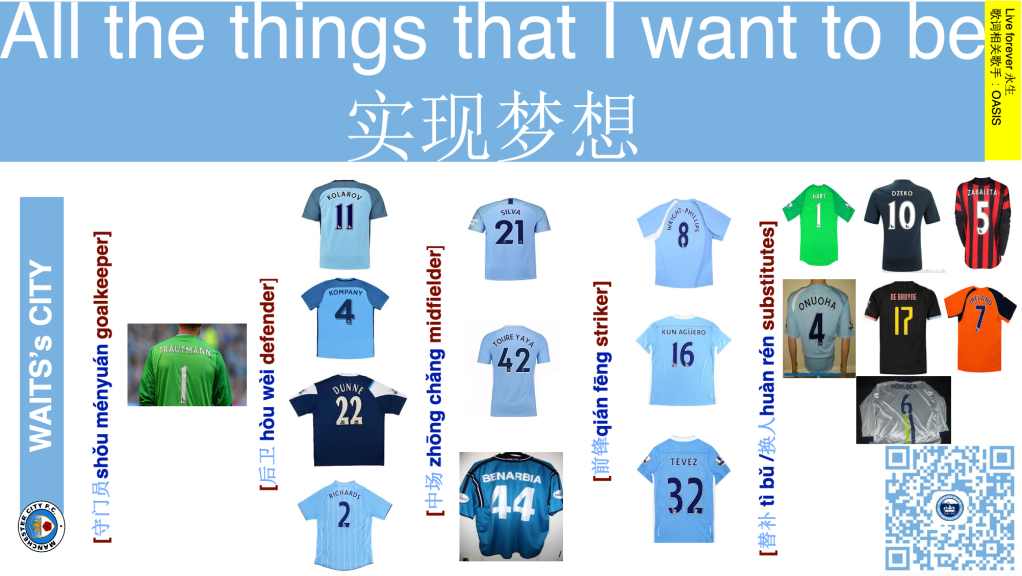


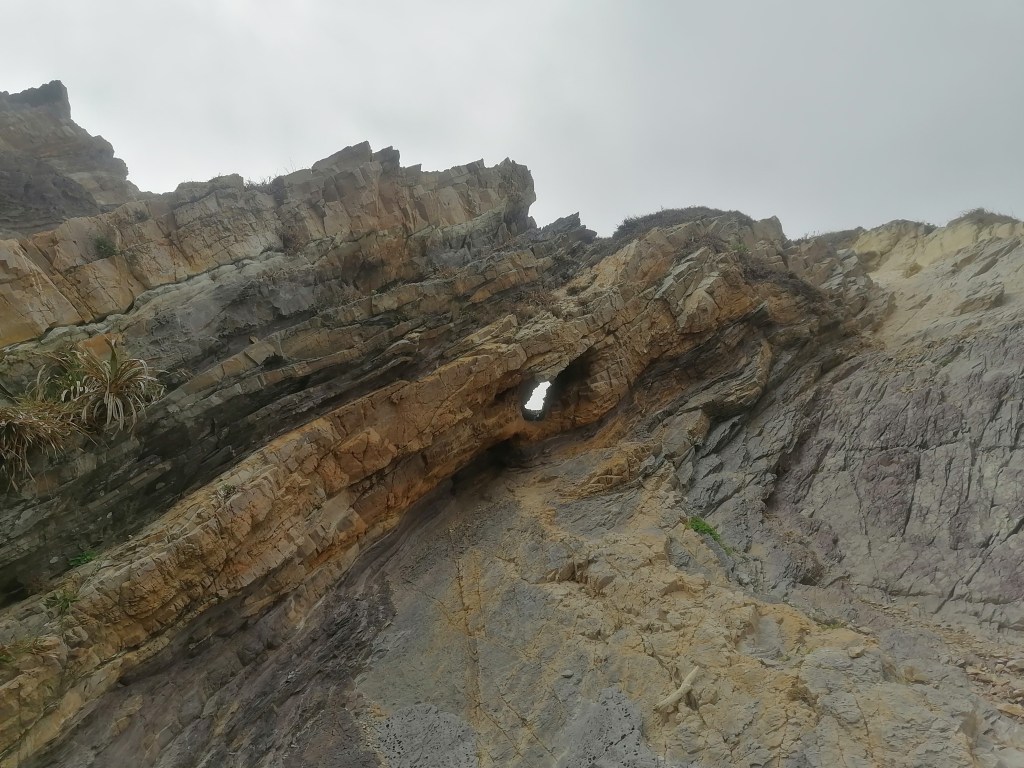



 AGAINST THE FLOW OF TRAFFIC - ACTON28.BLOG